
Khwaja Syed Mohammad Nizami
He is a Writer
About Khwaja Syed Mohammad Nizami
Khwaja Syed Mohammad Nizami (22 November 1978 – 7 Febraury 2026) was an influential Indian Sufi Shaykh, religious scholar, and litterateur of the Nizami branch of the Chishti Order, serving as the Sajjada Nashin (spiritual successor) of the revered Dargah of Hazrat Khwaja Nizamuddin Aulia in Delhi.
Born Khwaja Syed Mohammad Nizami into a distinguished lineage tracing back to the 35th generation from Hazrat Ali, the fourth caliph, he dedicated his life to promoting Sufi teachings, communal harmony, and interfaith dialogue, embodying the Ganga-Jamuni culture of India through his work as a bridge-builder between Hindu and Muslim communities.
Nizami received his early education at New Horizon School, before graduating from Delhi University, amassing encyclopedic knowledge on topics ranging from Islamic sciences to the history of Delhi.
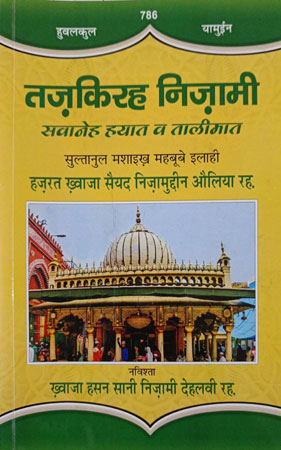
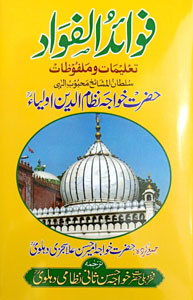
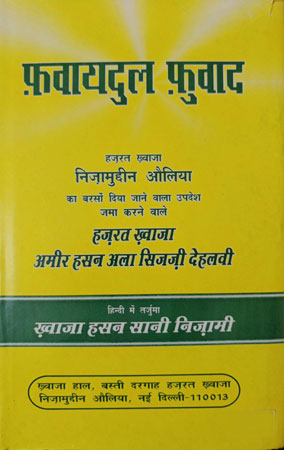
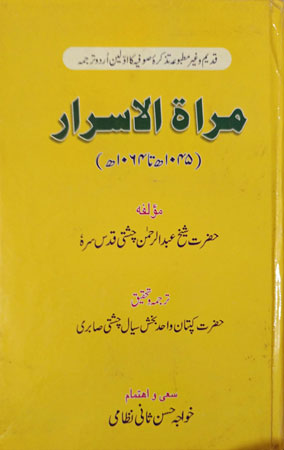
As a prolific writer and editor, he contributed lots of essays, articles, and radio talks on diverse subjects, republished numerous works of his Grandfather & Uncle — the renowned Sufi Khwaja Hasan Nizami & Khwaja Hasan Sani Nizami — including Fawaidul Fawad in English, and continued editing the monthly magazine Munaadi from 1955 onward. His own publications, such as FAizan-e-Fakriya and Nizami Basant ke Phool, underscored his commitment to Sufi mysticism and humanism, while he championed peace, tolerance, and conflict transformation in line with the teachings of Nizamuddin Aulia.
Throughout his career, Syed Nizami held prominent roles in cultural and religious institutions. He represented India at international forums, delivering extension lectures at universities worldwide and emphasizing religion's role against intolerance and violence. In recognition of his efforts to foster Hindu-Muslim unity and secular credentials, he received the Delhi Government "Delhi Ratan" Award from Formar Chief Minister Atishi Marlena. Nizami was buried beside his grand father in the Khwaja Hall, with his spiritual legacy carried forward by successors Khwaja Syed Mohammad Shaafi Nizami.
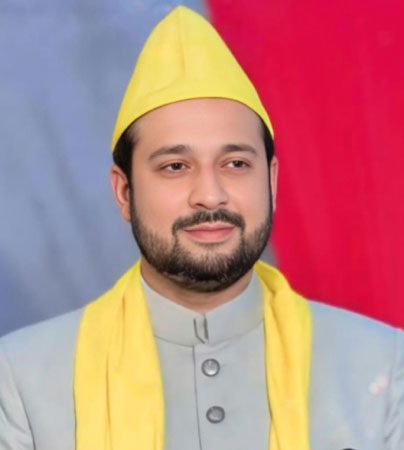
A Sufi Saint & Writer
- Born: 22 November 1978 / 21 Zil Hijja 1398 AH
- URS: 7 Febraury 2026 / 18 Shabban 1447 AH
- Peer-O-Murshid: Khwaja Hazarat Hasan Sani Nizami
- Janasheen: Hazrat Syed Mohammad Shaafi Nizami
- Spouse: Syeda Arjumand Bano Nizami
- Resting Place: Dargah Khawaja Hall, Delhi
- Title: Delhi Ratan, Shaheed, Dilruba-e-Shaheedane Khwajgan
Life of Khwaja Hazrat Syed Mohammad Nizami
Hazrat Syed Mohammad Nizami is a prominent personality of Delhi, recognized for his contribution to peace, harmony, and social service. He was honoured with the prestigious “Delhi Ratan” Award by former Delhi Chief Minister Atishi Marlena. In recognition of his dedicated work for peace and communal harmony, he was also honoured by His Holiness the Dalai Lama, the spiritual leader of Tibetan Buddhism, in the presence of former Prime Minister Dr. Manmohan Singh.
Born on Nizami Faimly
On 22nd November 1978 / 21 Zil Hijja 1398 AH
Khwaja Syed Mohammad Nizami was born with the name Syed Mohammad into the distinguished Nizami family associated with the spiritual and cultural heritage of Hazrat Nizamuddin Auliya in Delhi. He was raised in the spiritual environment of Basti Hazrat Nizamuddin, New Delhi, where the traditions of Sufism, devotion, and service associated with the Nizami lineage formed an important part of his life.
He was the son of Mehandi Nizami and the nephew of Khwaja Hasan Nizami, the renowned Sufi saint, scholar, writer, and spiritual figure associated with the Hazrat Nizamuddin Auliya Dargah. Through his family, Khwaja Syed Mohammad Nizami inherited a deep connection with the spiritual traditions and cultural heritage of the Nizami family.
From an early age, Khwaja Syed Mohammad Nizami was recognized for his brilliance, sharp intellect, and exceptionally fast learning ability. He possessed a remarkable capacity to understand practical and technical work simply by observing someone perform it. After watching a skilled person carry out a task, he could quickly understand the method and subsequently perform the work himself with confidence and precision.
Another distinctive quality of Khwaja Syed Mohammad Nizami was his ability to manage and perform multiple kinds of work simultaneously. He was a natural multitasker who could attend to different responsibilities and practical matters at the same time. His versatility enabled him to move effortlessly between spiritual, social, organizational, and practical responsibilities.
Khwaja Hasan Sani Nizami greatly admired and frequently praised Khwaja Syed Mohammad Nizami for these exceptional abilities. His intelligence, quick learning, practical skills, and capacity to handle diverse responsibilities were regarded with particular appreciation by his spiritual predecessor and elder.
The Nizami family is associated with the Nizami branch of the Chishti Sufi Order, whose spiritual heritage is connected with Hazrat Nizamuddin Auliya. The Chishti tradition emphasizes love, compassion, devotion, humility, tolerance, and service to humanity. Khwaja Syed Mohammad Nizami continued this spiritual and cultural tradition through his own life and work.
Khwaja Syed Mohammad Nizami became the successor in the spiritual lineage of Khwaja Hasan Nizami and Khwaja Hasan Sani Nizami, carrying forward the family’s spiritual responsibilities and traditions. His role represented a continuation of the Nizami family’s longstanding association with the spiritual heritage of Hazrat Nizamuddin Auliya.
Throughout his life, he remained connected with the spiritual, cultural, and social traditions of the Nizami family and worked to preserve and carry forward the teachings and values associated with the lineage.
Khwaja Syed Mohammad Nizami passed away in February 2026 following an accident at his home. After his passing, the spiritual lineage was continued by Khwaja Syed Mohammad Shaafi Nizami, who succeeded him and carried forward the spiritual mantle of the Nizami tradition.
Education
Bachelor of Commerce
1995-1997
Delhi University
Khwaja Hazrat Syed Mohammad Nizami received his formal schooling from New Horizon School around North of Humayun's Tomb. He was recognized as a bright and intelligent student with a natural ability to understand new subjects quickly.
After completing his schooling, he pursued a Bachelor of Commerce (B.Com.) from Delhi University, New Delhi. Although he was academically capable and had the potential to pursue further technical and professional education, his growing responsibilities towards religious and spiritual work influenced the direction of his life.
Alongside his formal education, he devoted considerable time to religious and spiritual learning under the guidance of his uncle and Peer-o-Murshid, Khwaja Hasan Nizami. His spiritual education became an important part of his intellectual and personal development. Rather than pursuing an exclusively technical or professional career, he chose to devote greater attention to the study of Islam, Sufism, spirituality, religious traditions, and the teachings of the Nizami lineage.
This combination of modern education and traditional spiritual learning gave him a distinctive understanding of both contemporary life and the religious traditions he had inherited. His education was therefore not limited to academic institutions; much of his deeper learning took place through the guidance, teachings, and personal example of his Peer-o-Murshid.
Nizamia Silsila
Khwaja Syed Mohammad Nizami was born into a prominent family of Chishti Sufis serving as hereditary custodians (khadims) at the shrine of Nizamuddin Auliya in Delhi, which positioned him within the Nizami branch of the Chishti order from an early age. This familial connection provided him with immersion in Sufi practices, though formal initiation (bay'ah) marked his entry as a committed disciple.
Khilafat
Year:
Murshid : Khwaja Hazrat Hasan Sani Nizami
- On 18 February 2003, corresponding to 17 Zil Hajj 1423 AH, the Urs Mubarak of Hazrat Khwaja Hasan Nizami R.A. was commemorated with great grandeur, devotion, and spiritual fervour. The sacred gathering was graced by numerous Ulama, Mashayikh, and scholars who delivered religious and spiritual discourses, while hundreds of devotees and visitors participated in the blessed Langar and remained immersed in the spiritual atmosphere of a Sufi musical night. The occasion attained an even greater distinction when, after a period of nearly eight centuries, revered Ulama from Chisht Sharif—the sacred land associated with the origins of the Chishti spiritual tradition—Hazrat Syed Ahmad Shah Modudi and his respected son, Hazrat Syed Ibrahim Modudi, visited India and Delhi and honoured the Urs Mubarak of Hazrat Khwaja Hasan Nizami R.A. with their esteemed presence and prayers. It was regarded as an exceptionally rare and spiritually significant moment, for according to the tradition remembered within the Nizamia lineage, from the era of Hazrat Baba Fariduddin Masood Ganj-e-Shakar (R.A.), approximately eight hundred years earlier, there had been no such visit of Ulama from Chisht Sharif to India to honour a gathering of this nature. Their arrival therefore carried profound spiritual significance, symbolising the renewal of an ancient bond between Chisht Sharif, the fountainhead of the Chishti tradition, and Delhi, the blessed land of Hazrat Khwaja Nizamuddin Auliya (R.A.) and the Nizamia Silsila. This extraordinary honour was a moment of immense spiritual joy and distinction for Hazrat Khwaja Hasan Sani Nizami R.A., as the sacred presence of the Ulama of Chisht Sharif brought with it the nisbat, dua, and spiritual fragrance of that revered land after nearly eight centuries. In the blessed atmosphere of this historic occasion, Hazrat Khwaja Hasan Sani Nizami R.A. bestowed Khilafat upon Hazrat Syed Mohammad Nizami and performed his Dastarbandi from the blessed hands of Hazrat Syed Ahmad Shah Modudi R.A., ceremonially placing upon him the sacred turban of the Silsila-e-Nizamia and thereby entrusting him with the amanat, spiritual responsibility, and sacred legacy of the Nizamia lineage.
- Khwaja Hazrat Nizam have Khilafat of more than 123 locations. He passed on all of his khilafat to Hazrat Syed Mohammad Nizami as Janasheen and Khalifa.
- As a spiritual successor (sajjadanasheen) in the Nizami family lineage connected to Khwaja Nizamuddin Auliya, Syed Nizami upheld the order's core principles of inner purification and ethical living, guiding adherents through personal mentorship and communal gatherings at the Hazrat Nizamuddin Dargah in Delhi. His leadership focused on preserving the Chishti emphasis on humility and service to humanity, ensuring the order's doctrines remained accessible and relevant in contemporary contexts without diluting their mystical essence.
- To sustain the intellectual heritage of the Chishti tradition, Hazarat Syed Nizami actively republished key historical texts that encapsulate the order's teachings, including works on Sufi mysticism and practice. He also authored publications such as "Faizan-e-Fakriaya" and "Nizami Basant ke Phool", which delineates the rituals and realities of Sufi discipline within the Chishti framework, making these insights available to younger generations and scholars. Through such initiatives, he bridged classical Chishti scholarship with modern dissemination, countering the erosion of oral and textual traditions amid urbanization and secular influences.
- Syed Nizami played a pivotal role in fostering the Chishti traditions of Sufi music (qawwali) and poetry by organizing annual events and mehfil gatherings at the Khwaja Hall, which celebrated the devotional compositions of legendary figures like Amir Khusro, the 13th-century poet-musician closely associated with Khwaja Nizamuddin Auliya. These events, drawing thousands of participants, preserved the performative aspects of Chishti spirituality, where qawwali serves as a medium for ecstatic remembrance (zikr) and communal harmony, linking historical legacies to living practice. By integrating these cultural elements into the shrine's routine, Nizami ensured the continuity of Chishti expressive traditions as vital tools for spiritual awakening.
Hosting & Organising Four Seminars
URS Shareef of Khwaja Nizamuddin Auliya
URS Shareef of Khwaja Amir Khusroo
URS Shareef of Khwaja Hasan Nizami
URS Shareef of Khwaja Mehmooda Bano Nizami
Religious, Cultural and Interfaith Engagement
- Following the path and example of his Peer-o-Murshid, Khwaja Hasan Nizami, Khwaja Hazrat Syed Mohammad Nizami devoted significant attention to promoting the spiritual, cultural, and interfaith traditions of the Nizami Sufi lineage.
- As part of his efforts to preserve and promote the spiritual heritage associated with the Nizamia Silsila, he hosted, conducted, and organized four major seminars on the occasions of the Urs Mubarak of Hazrat Khwaja Nizamuddin Auliya, Hazrat Khwaja Amir Khusrau, Khwaja Hasan Nizami, and Khwaja Mehmooda Bano.
- These four seminars were organized and conducted solely under the direction and responsibility of Khwaja Hazrat Syed Mohammad Nizami. They brought together people from diverse sections of Indian society and incorporated several important aspects of Sufi and Islamic cultural tradition. The programmes included religious and scholarly speeches, Sufi musical programmes, Langar, and Dua, creating an environment of spiritual reflection, cultural exchange, and community participation.
- The seminars were attended by hundreds of Murids and followers, along with distinguished personalities from different walks of Indian public life, including industrialists, scholars, writers, and other prominent individuals. People belonging to different religious communities also participated, reflecting the inclusive and pluralistic spirit associated with the Chishti and Nizamia traditions.
- Beyond these four seminars, Khwaja Hazrat Syed Mohammad Nizami participated in numerous religious, Sufi, and cultural seminars in India and abroad. In these gatherings, he represented the spiritual heritage of his Peer-o-Murshid, Khwaja Hasan Nizami, and was associated with the Nizamia Silsila as a spiritual representative and speaker.
- He addressed various forums on subjects related to Sufism, spirituality, the teachings of the Nizamia Silsila, Indian cultural traditions, and interfaith harmony. His engagements extended beyond religious gatherings to lectures and academic programmes at universities, where he spoke about Sufism and its spiritual and cultural significance.
- An important part of his public engagement was the presentation and promotion of Ganga-Jamuni Tahzeeb, the shared cultural tradition of India that reflects interaction and coexistence among different religious and cultural communities. Through seminars, lectures, and international forums, he sought to present this Indian tradition of harmony and shared cultural heritage to audiences both in India and abroad.
- His profile of religious and cultural engagement therefore included organizing Sufi seminars, addressing religious gatherings, participating in national and international forums, delivering university lectures on Sufism, representing the Nizamia Silsila, and presenting India's Ganga-Jamuni Tahzeeb on wider platforms.
Shajra Nizamia Naseeriya
- Ilahi Bahurmat Murshid Azam Huzur Mohammad Rasool Allah ﷺ
- Imam-ul-Auliya Hazrat Ali Bin Abi Talib A.S.
- Sheikh-ul-Azam Hazrat Khwaja Hasan Basri R.A.
- Hazrat Khwaja Abdul Wahid Bin Zaid R.A.
- Hazrat Khwaja Fuzail Bin Ayaz R.A.
- Hazrat Sultan Ibrahim Adham Balkhi R.A.
- Hazrat Khwaja Sadiduddin Huzafatul Marashi R.A.
- Hazrat Khwaja Aminuddin Abi Hubairatul Basri R.A.
- Hazrat Khwaja Mumshad Alu Dainuri R.A.
- Hazrat Khwaja Abu Ishaq Shami Chisthi R.A.
- Hazrat Khwaja Abu Ahmed Chisthi R.A.
- Hazrat Khwaja Abu Mohammad Chishti R.A.
- Hazrat Khwaja Abu Yusuf Naasiruddin Chisthi R.A.
- Hazrat Khwaja Syed Qutabuddin Modud Chisthi R.A.
- Hazrat Khwaja Hazi Sharif Zindanni Chisthi R.A.
- Khwaja Azam Hazrat Khwaja Usman Harooni Chisthi R.A.
- Nayab Rasool Allah Fil-Hind Hazrat Khwaja Moinuddin Chisthi Ajmeri Garib Nawaz R.A.
- Hazrat Khwaja Qutabbuddin Bakhtiyar Kaki Chisthi R.A.
- Hazrat Khwaja Baba Fariduddin Masood Ganj-e-shakar Chisthi R.A.
- Sare Silsila Nizamia Mahboob-e-ilahi Hazrat Khwaja Syed Nizamuddin Mohammad Auliya Chisthi Dehlavi R.A.
- Hazrat Makhdoom Nasiruddin Mahmood Chirag Dehlavi R.A.
- Hazrat Sheikh Kamaluddin Ulama Chisthi Dehlavi R.A.
- Hazrat Sheikh Sirajuddin Chisthi R.A.
- Hazrat Sheikh Alamuddin Chisthi R.A.
- Hazrat Sheikh Mahmood urf Sheikh Rajan Chisthi R.A.
- Hazrat Khwaja Sheikh Jamaluddin urf Jumman Chisthi R.A.
- Hazrat Khwaja Hasan Mohammad Chisthi R.A.
- Hazrat Khwaja Sheikh Mohammad Chisthi R.A.
- Hazrat Khwaja Sheikh Yahiya Madani Chisthi R.A.
- Hazarat Khwaja Sheikh Kaleemullah Jahanaabadi Chisthi R.A.
- Hazrat Khwaja Nizamuddin Aurangabadi Chisthi R.A.
- Mujaddid-ul-Islam Hazrat Molana Mohammad Fakhruddin Chisthi Dehlavi R.A.
- Hazrat Qibla Alam Molana Noor Mohammad Maharavi Chisthi R.A.
- Imam-ul-Huda Hazrat Molana Shah Suleman Taunsvi Chisthi R.A.
- Noorul Awwaleen wal Akhireen Hazrat Molana Shamsuddin Sayalvi Chisthi R.A.
- Hajjatullah Fizamanul Hazir Hazrat Molana Peer Meher Ali Shah Chisthi R.A.
- Shamsul Ulama Imamul Mashaikh Hazrat Khwaja Syed Hasan Nizami R.A.
- Fakhr-e-Delhi va Fakhr-e-Hindusthan Humrang-e-Mehboob-e-Ilahi Hazrat Khwaja Syed Hasan Sani Nizami R.A.
- Fakhr-e-Delhi Dilruba-e-Shaheedane-Khwajgan Hazrat Khwaja Syed Mohammad Nizami R.A.
- Khakpaye Warisane Khwajgan Khwaja Syed Mohammad Shaafi Nizami
Urdu
Hindi
Silsile ka Ruhani Uruj
Dargah Hazrat Nizamuddin Auliya
2015-2026
Sajadqa Nasheen
- As a member of the hereditary Khadim family associated with Dargah Hazrat Nizamuddin Auliya, Khwaja Syed Mohammad Nizami maintained a deep connection with the shrine through literary, social, and humanitarian service.
- His notable work “Faizan-e-Fakriya”, documenting the life, teachings, ideology, and interactions of the 18th-century Sufi saint Hazrat Maulana Fakhruddin Dehlvi Chishti, reflects his commitment to preserving the historical and spiritual legacy of the Nizamuddin tradition.
- He also served pilgrims through initiatives such as opening of book shop, while choosing to remain financially independent through journalism, publishing, and the sale of books rather than relying solely on shrine endowments or custodial privileges.
- He used the platform of the Dargah to promote peace, interfaith harmony, and India’s Ganga-Jamuni Tahzeeb, encouraging dialogue and the spirit of unity in diversity.
- Among his most significant achievements was his sustained effort to secure and preserve the birthplace of Hazrat Nizamuddin Auliya, safeguarding this precious heritage for future generations.
Hazrat Syed Shaafi Mohammad Nizami
2006 - present
Janasheen, Khalifa & Son
- By the grace and blessings of Allah Almighty, Khwaja Syed Mohammad Nizami was blessed with four children—two daughters and two sons.
- His family, however, experienced profound grief when his eldest daughter Syeda Fatima Zehra Nizami passed away in a tragic car accident at the tender age of 17, a loss that brought immense sorrow to Khwaja Syed Mohammad Nizami and his family. Continuing the spiritual tradition and riwayat of sacrifice associated with the descendants of Hazrat Muhammad ﷺ, his family bore this tragedy with faith and fortitude.
- During his lifetime, Khwaja Hasan Sani Nizami chose his eldest grandson, Hazrat Shaafi Nizami, as the successor of Khwaja Syed Mohammad Nizami.
- Following the sudden demise of his father & Peer-o-Murshid, Hazrat Shaafi Nizami, at the young age of 20, assumed the responsibility of Sajjada Nashin of Dargah Hazrat Nizamuddin Auliya.
- Within just two months of assuming this sacred responsibility, he successfully organized a seminar at Khwaja Hall, demonstrating remarkable dedication and maturity at such a young age. He continues to carry out his spiritual and social responsibilities in the tradition established by his Peer-o-Murshid and father.
- His other two children are Syeda Mehmooda Bano Nizami and Hazrat Hasan Murtaza Nizami.
Books
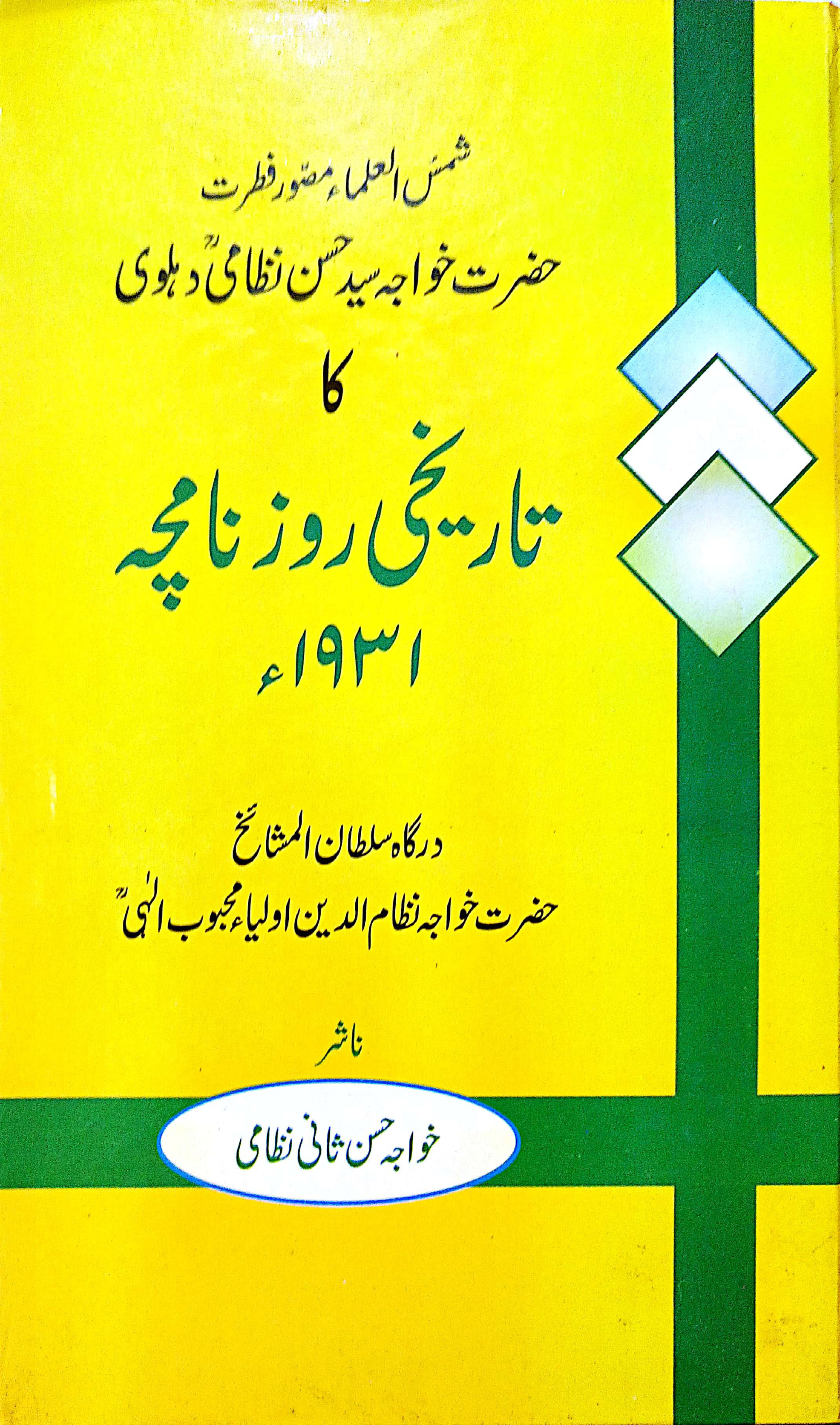
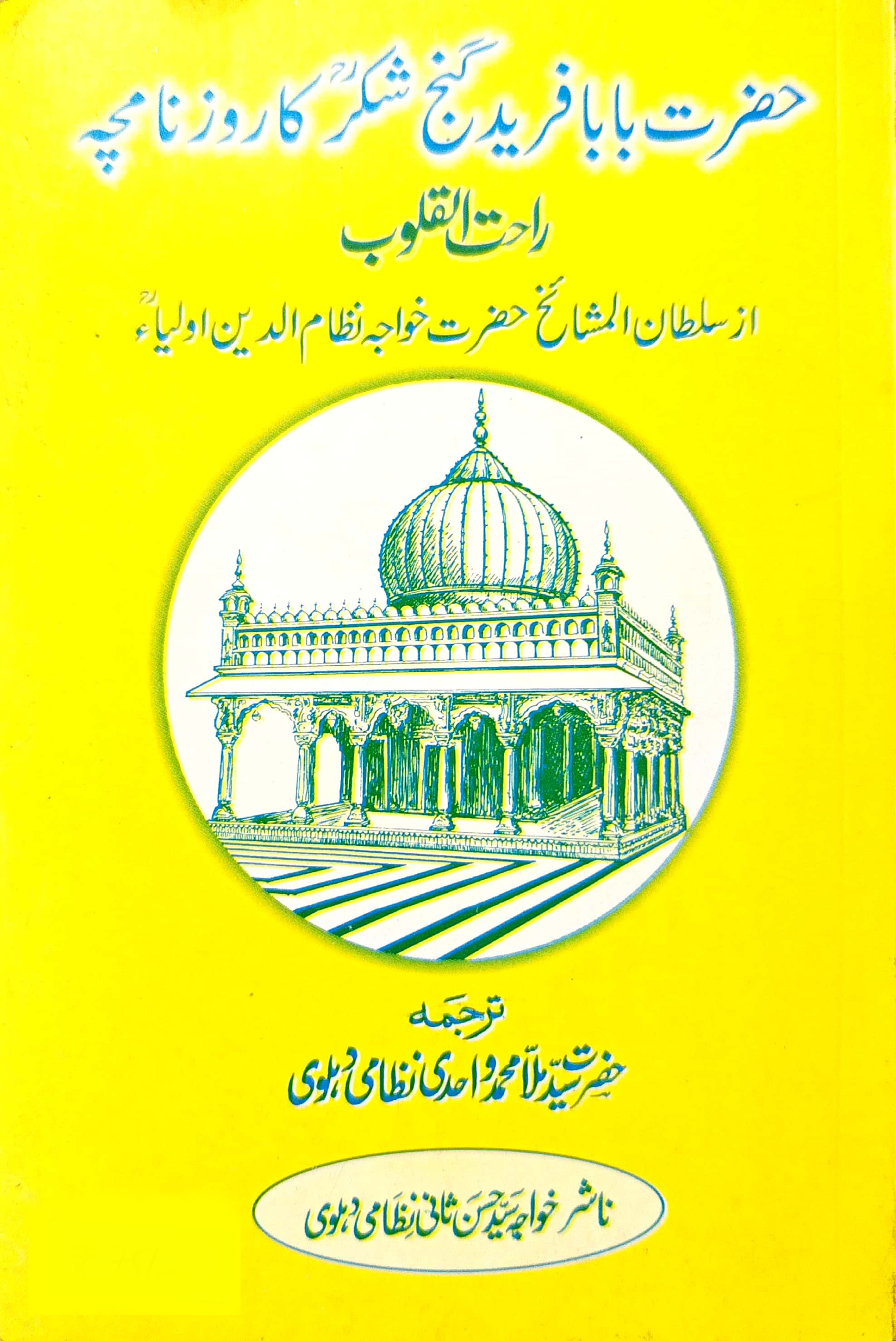
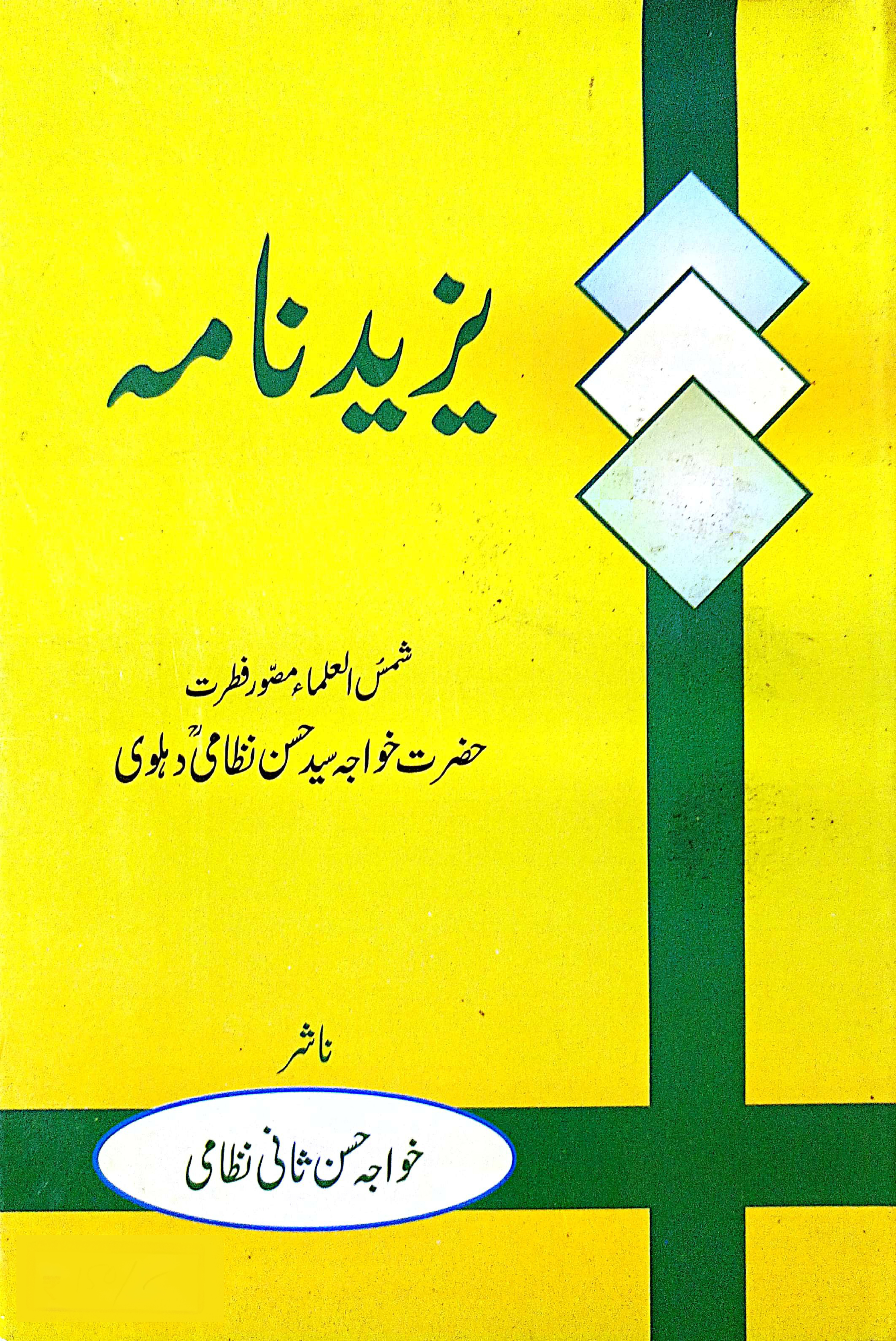
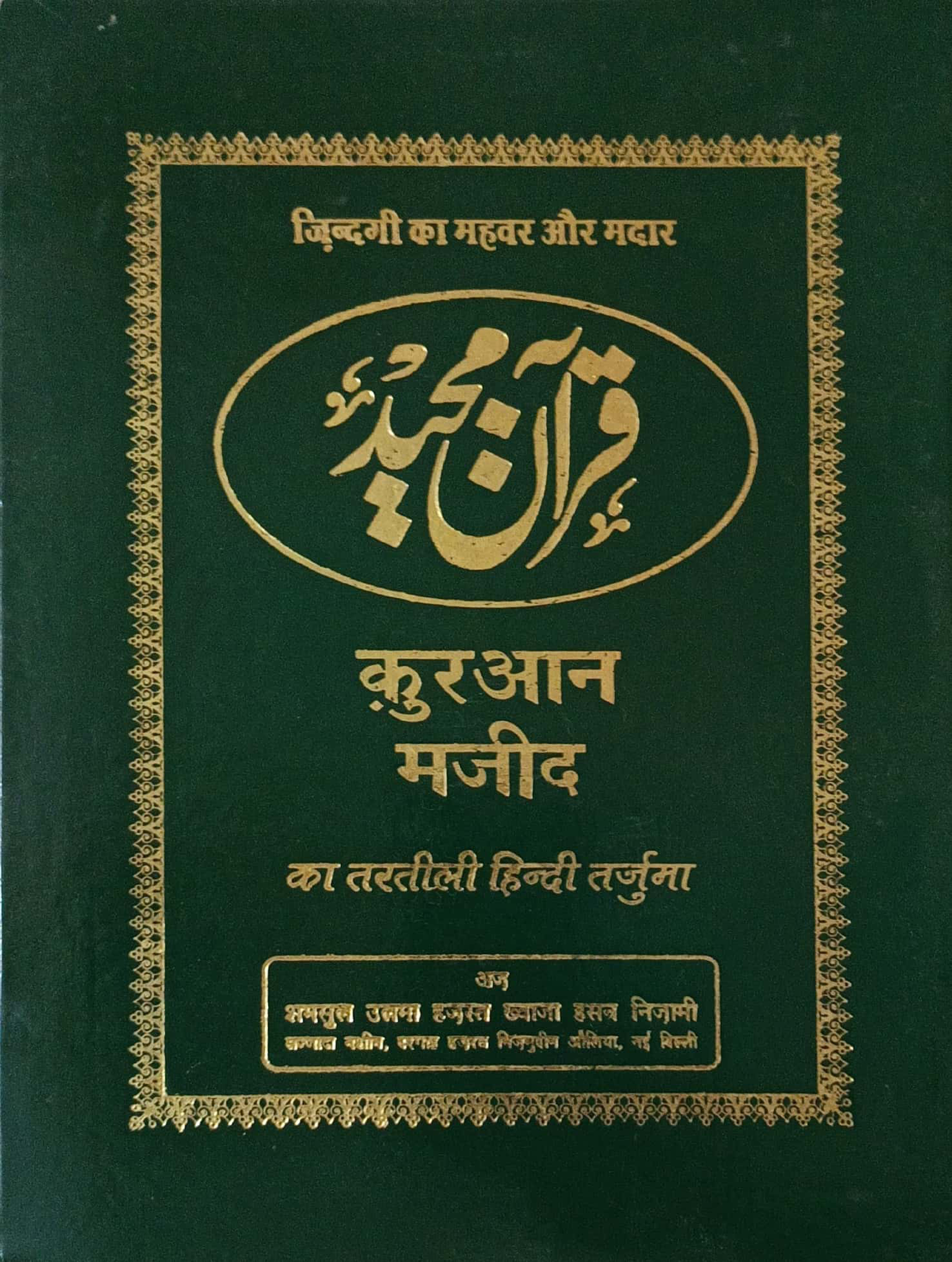
Following in the literary and spiritual tradition of Khwaja Hasan Nizami and Khwaja Hasan Sani Nizami, Khwaja Syed Mohammad Nizami has also made a valuable contribution to Sufi literature through his book “Faizan-e-Fakriya,” dedicated to the life and teachings of the 18th-century Chishti Sufi Saint Hazrat Maulana Fakhruddin Dehlvi Chishti. Though the saint’s life was brief, his spiritual legacy and contribution to humanity remain profound and timeless. Through this work, Khwaja Syed Mohammad Nizami seeks to preserve and share the invaluable teachings, life, and spiritual message of this great Chishti saint with future generations.
- All
- Quran
- Historical
- Sufism
- General
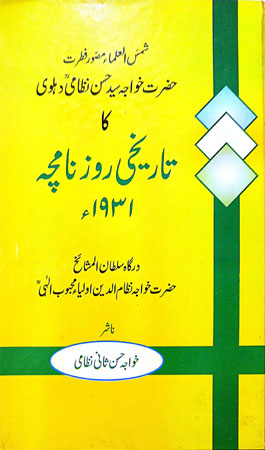
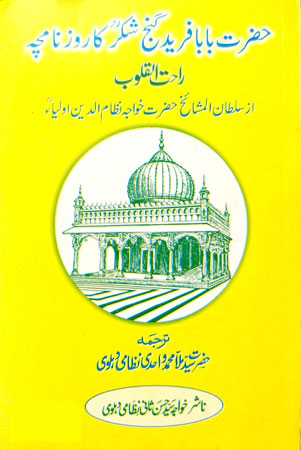
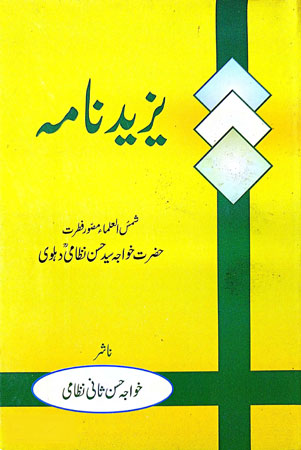
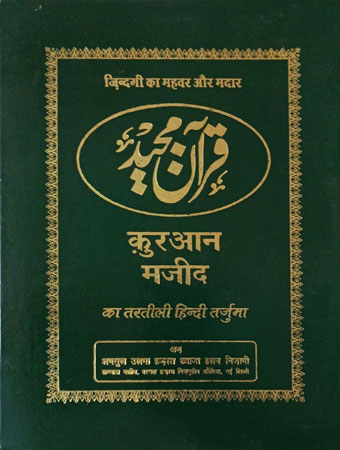
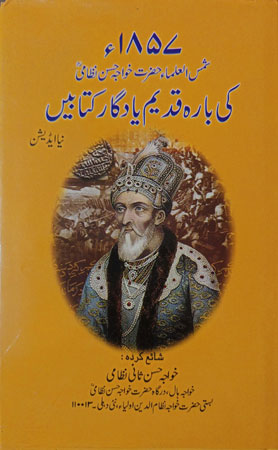
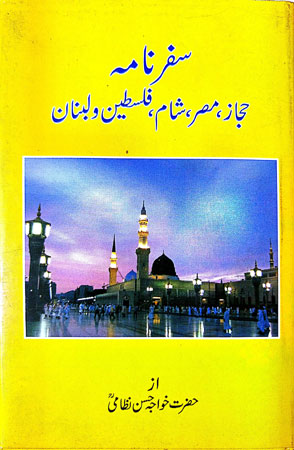
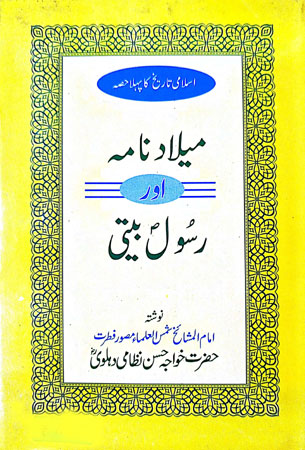
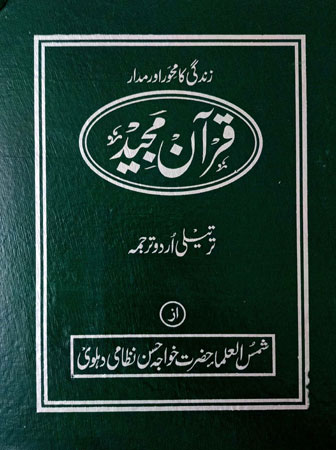
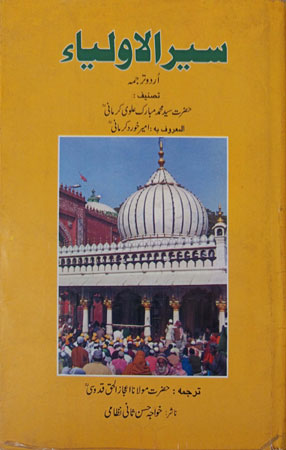
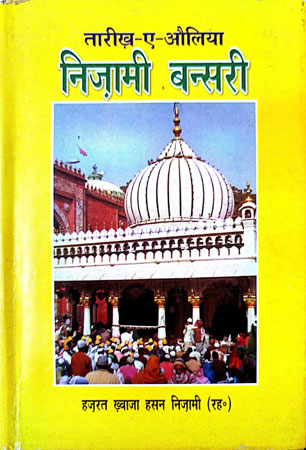
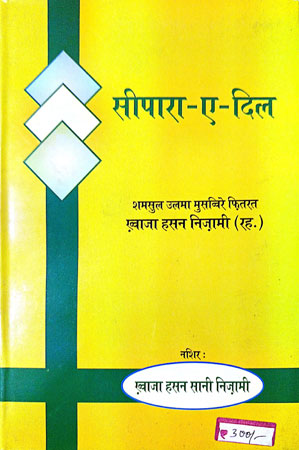
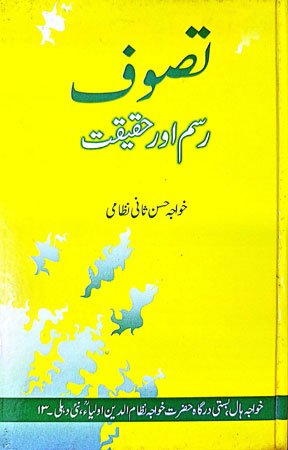
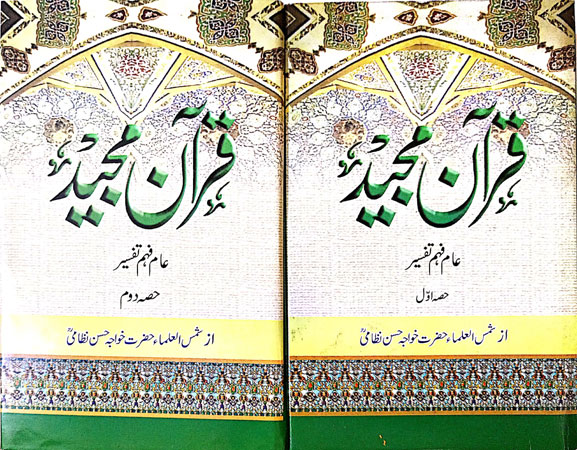
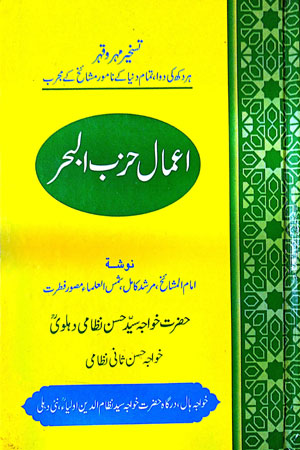
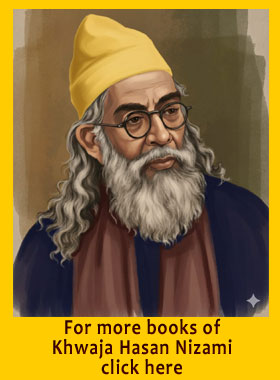
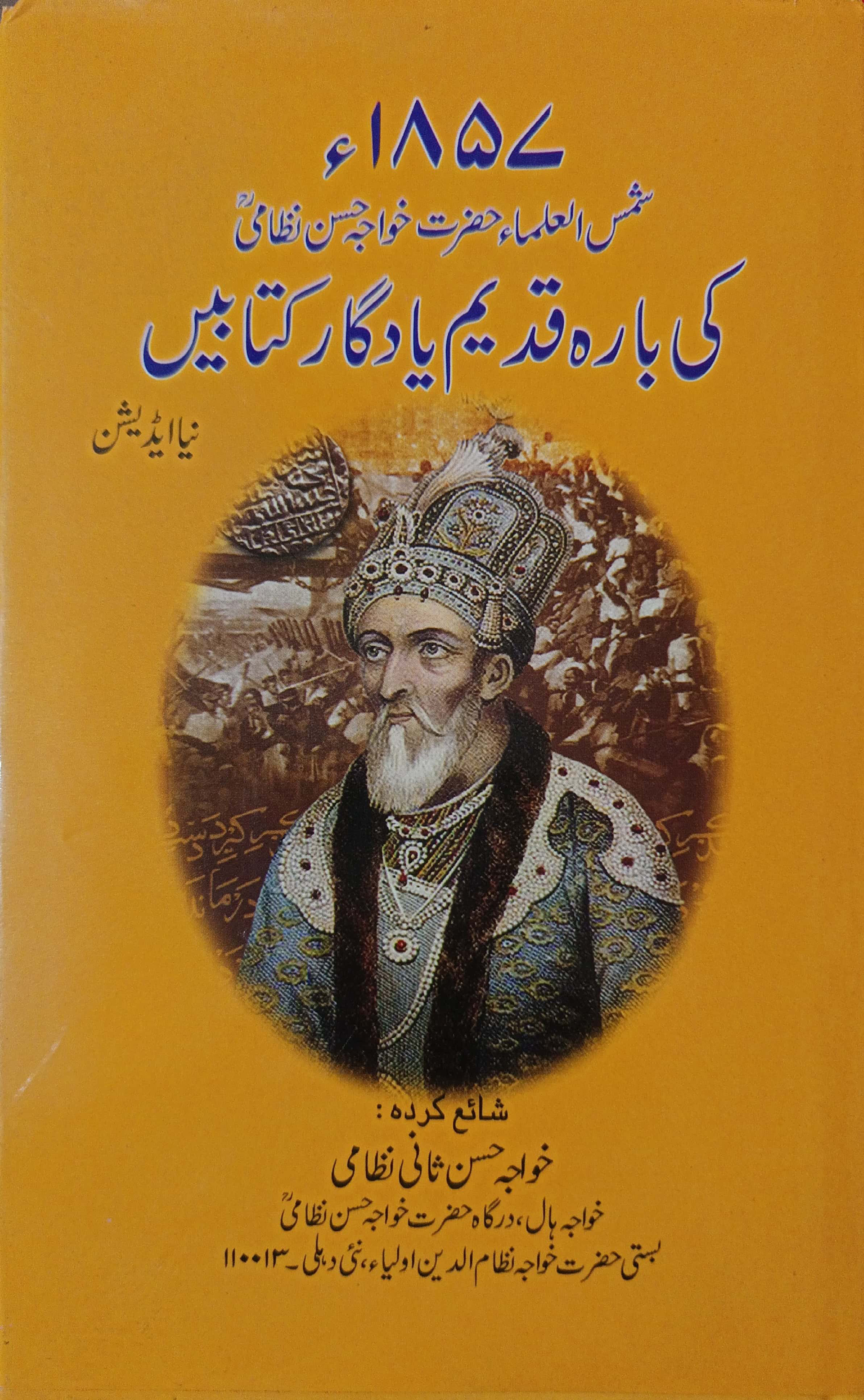
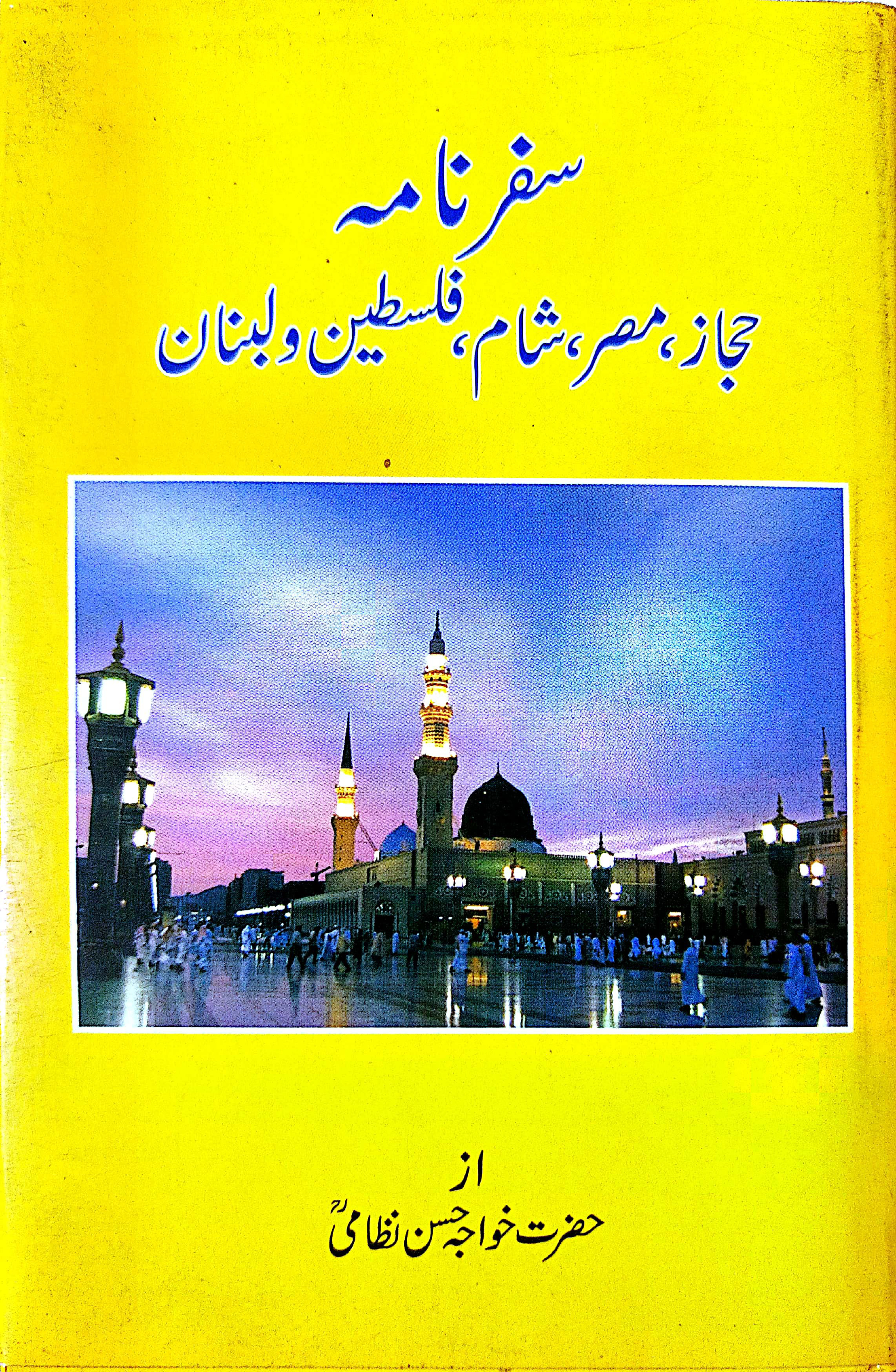
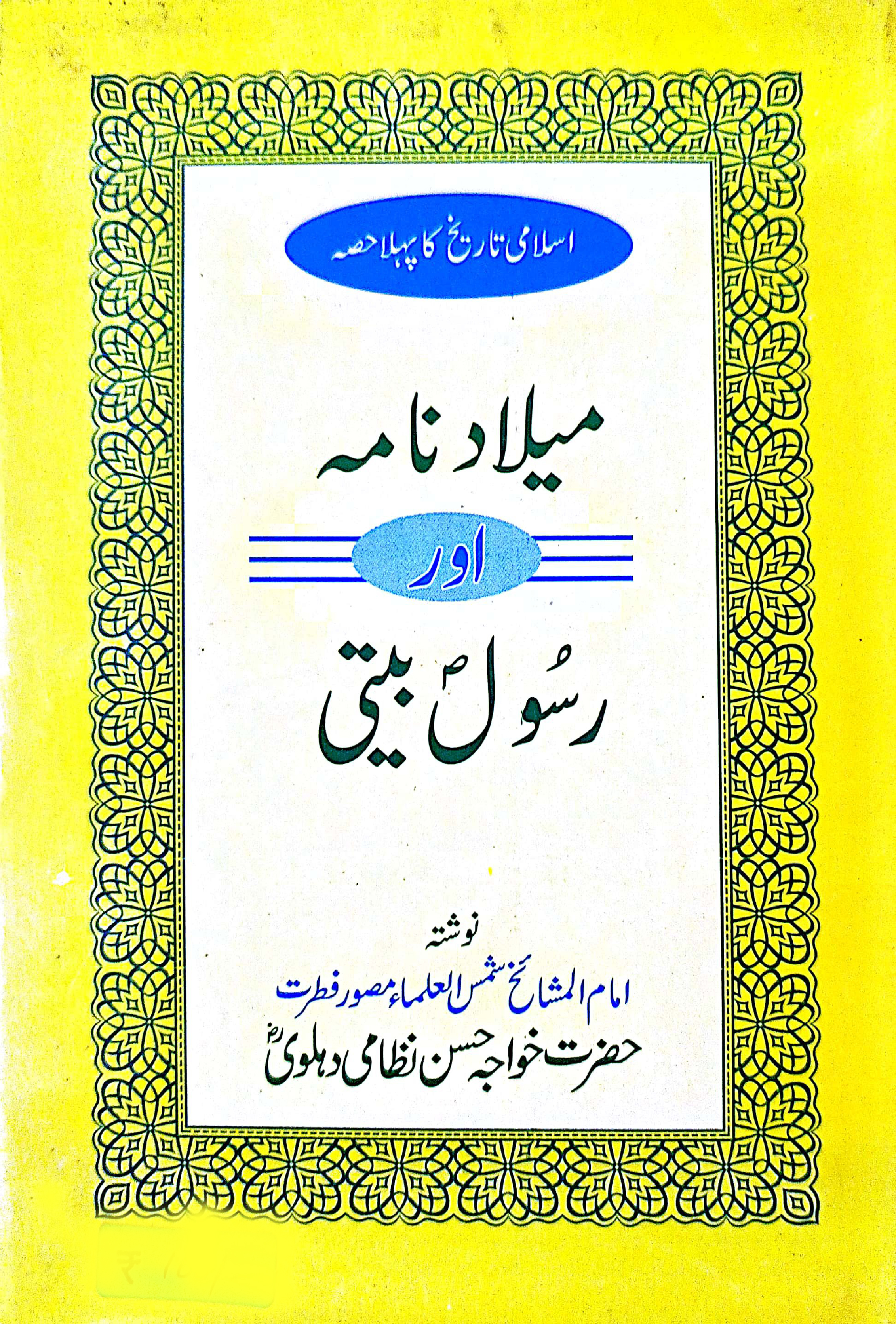
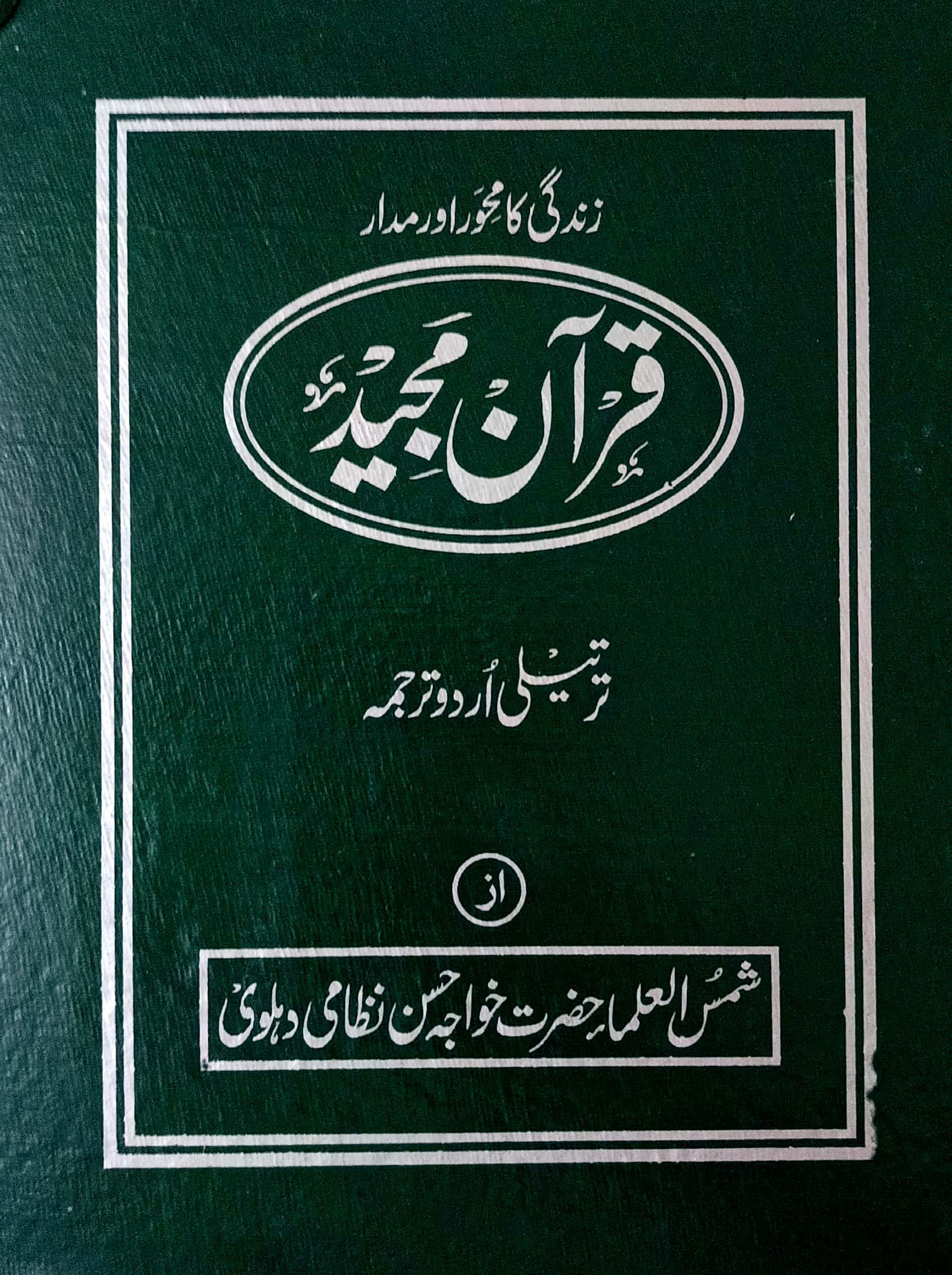
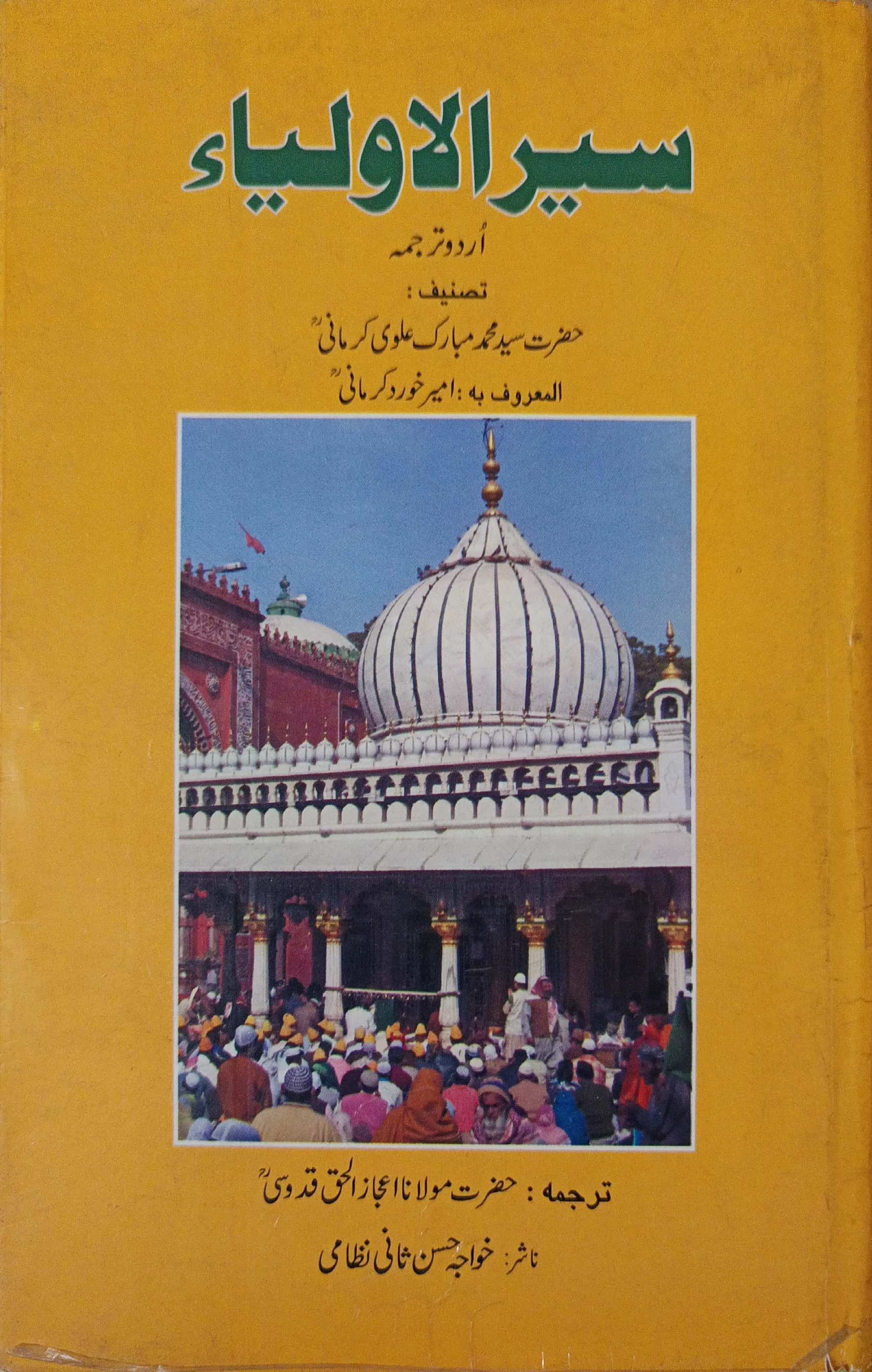
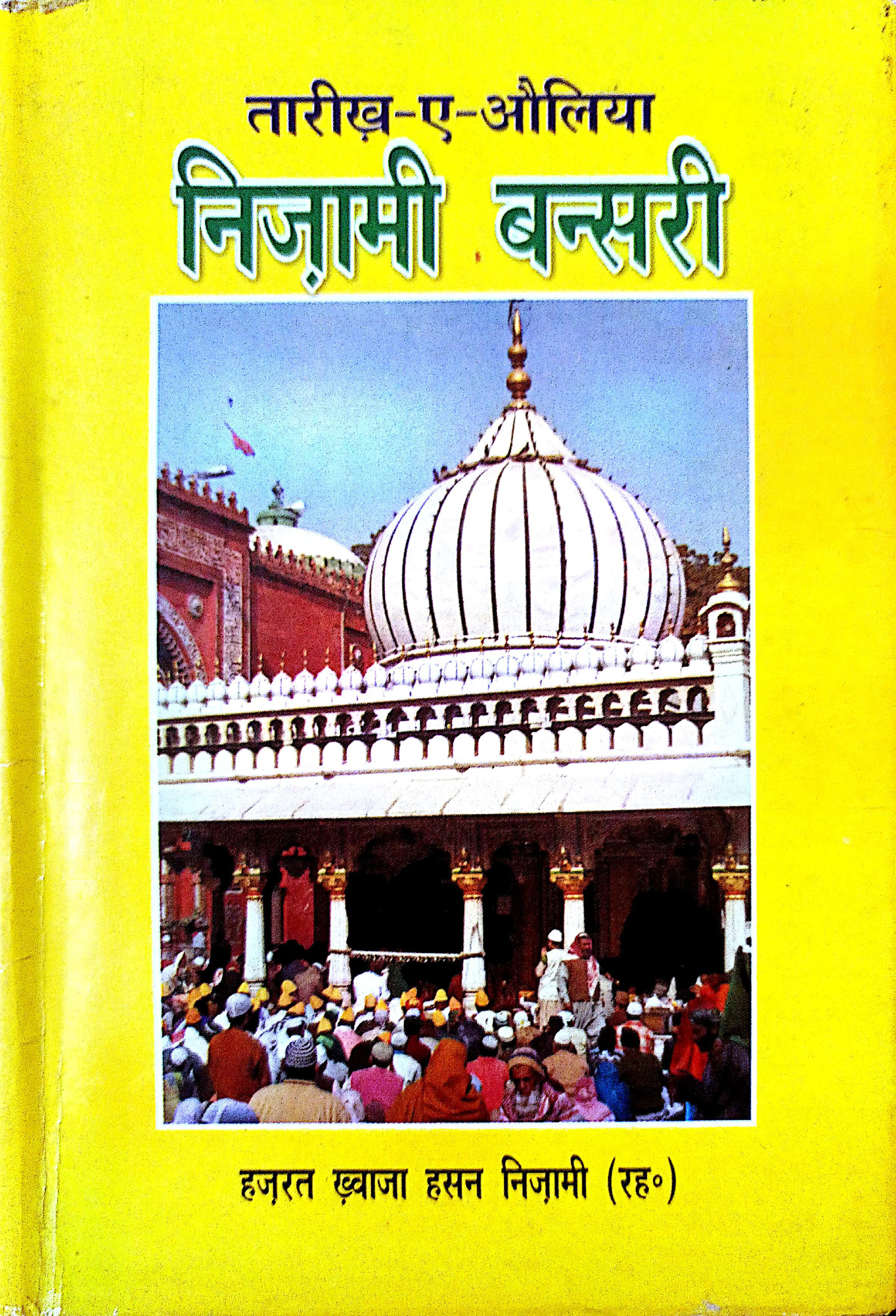
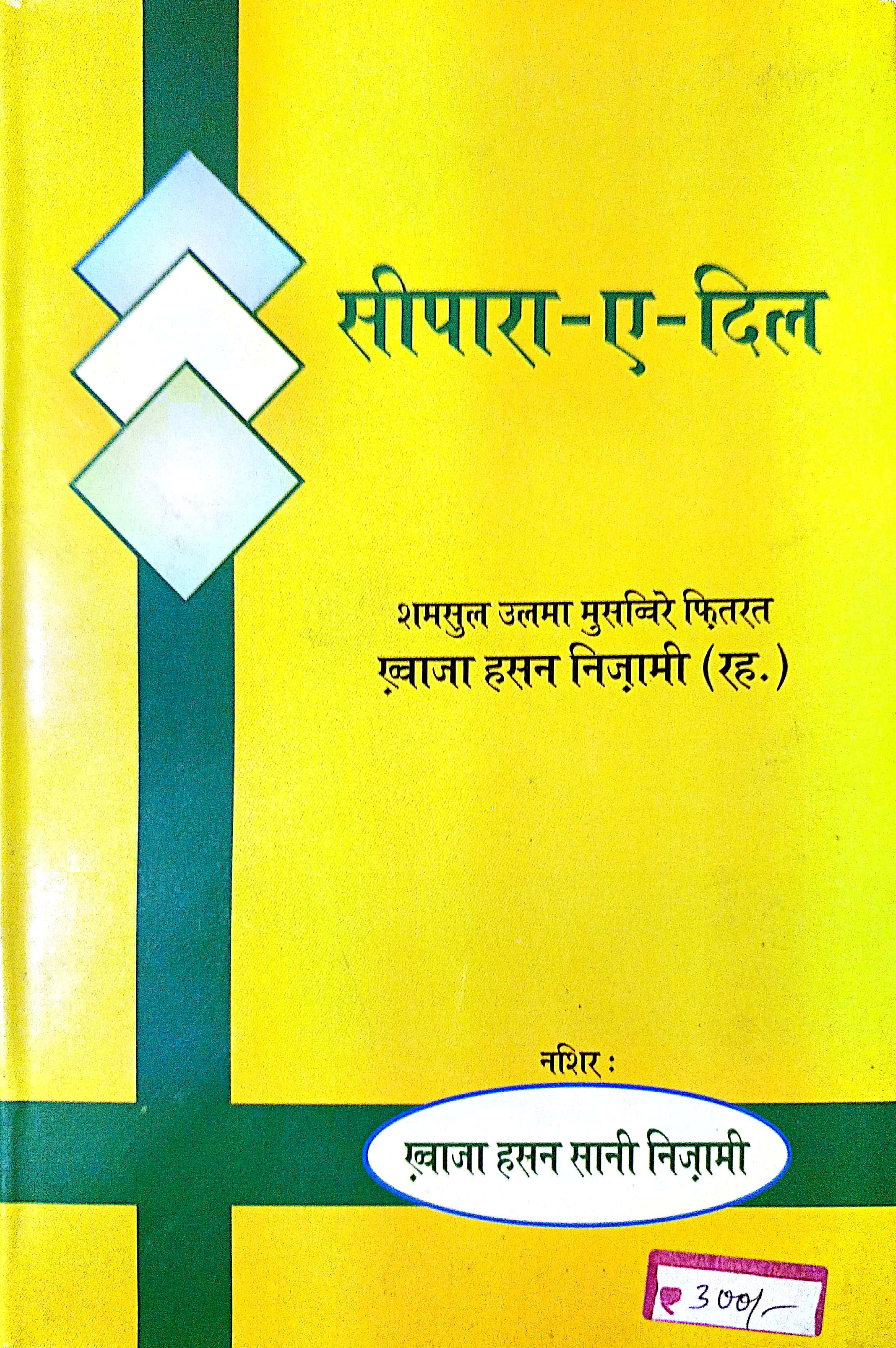
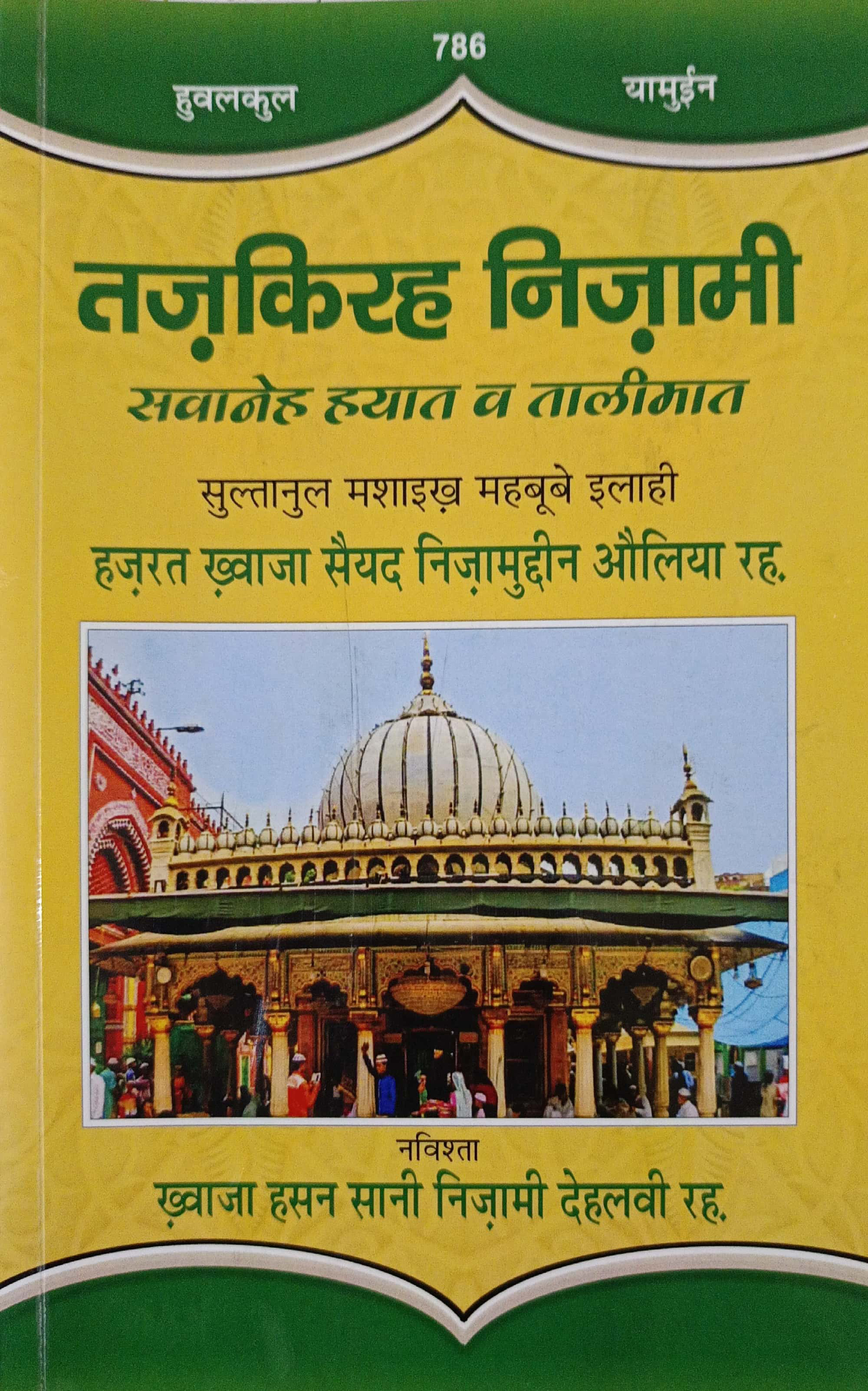
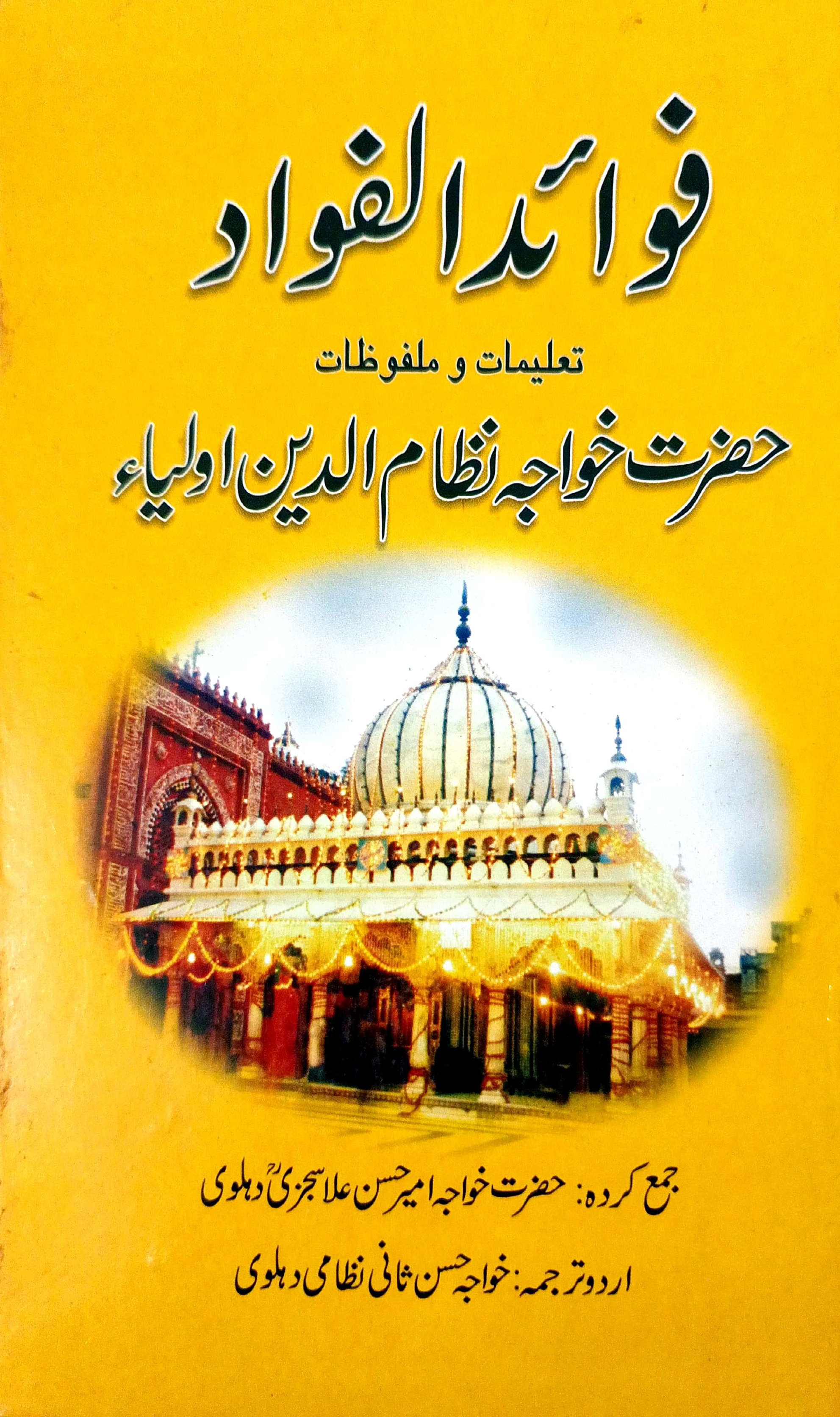
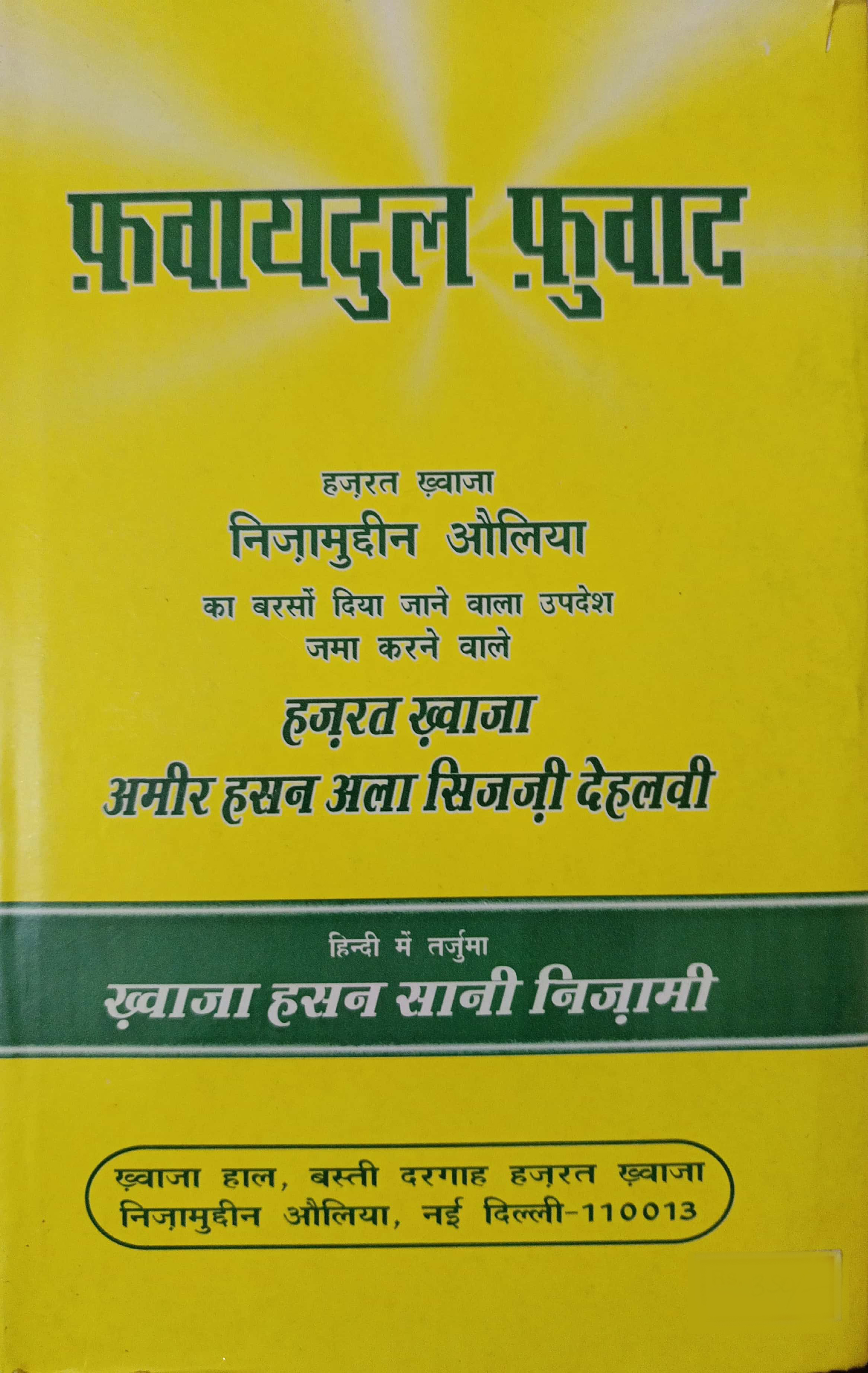
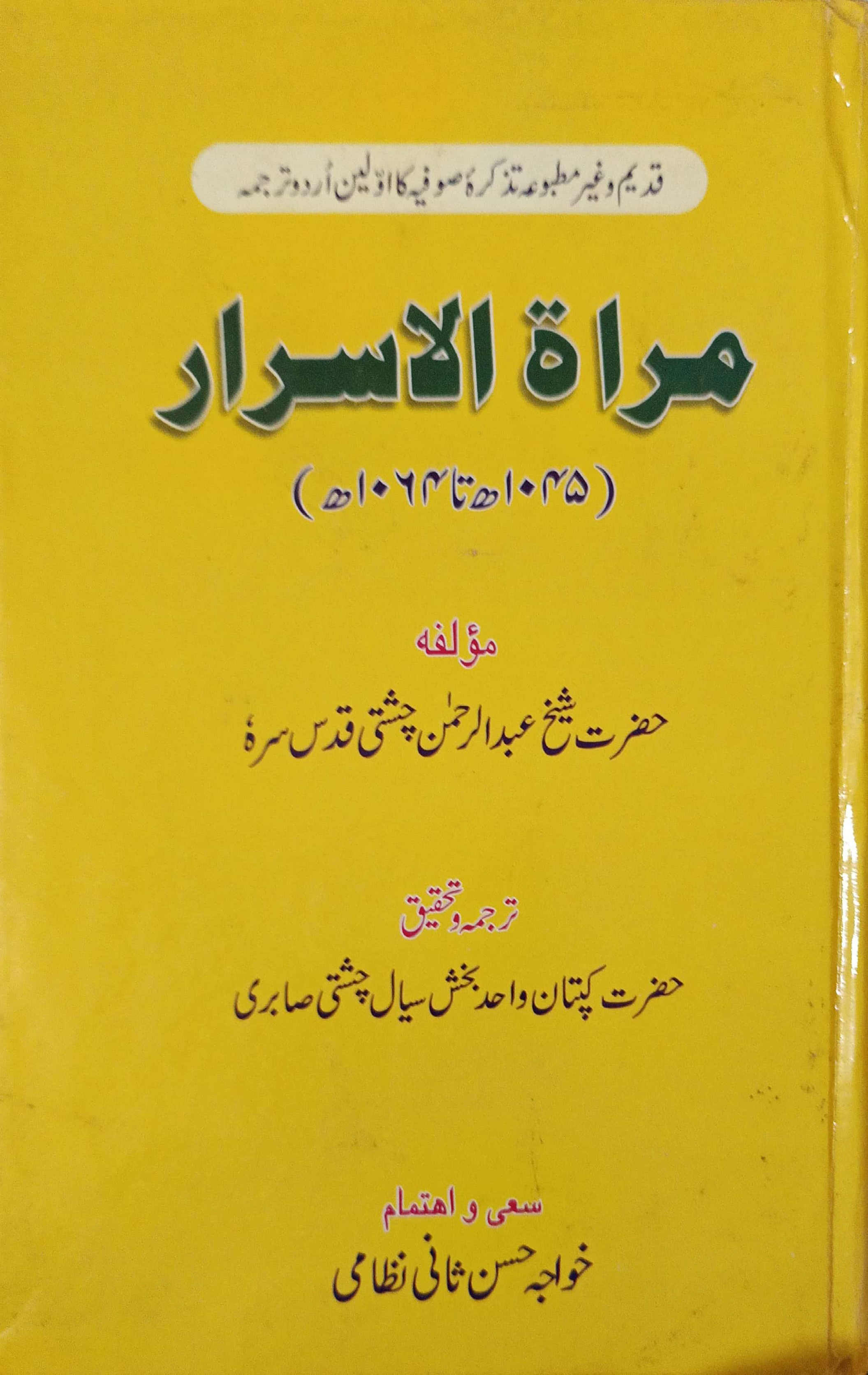
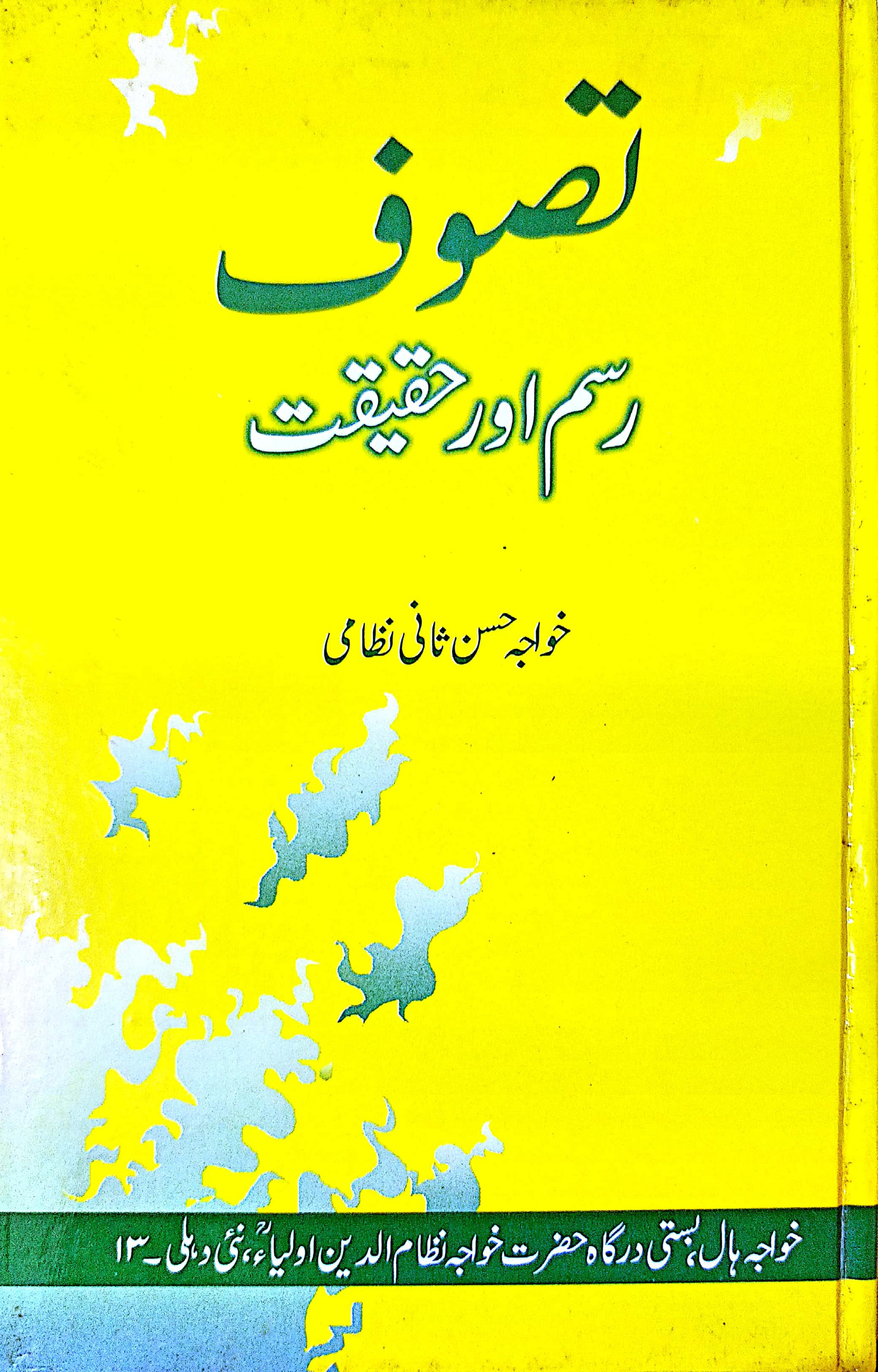
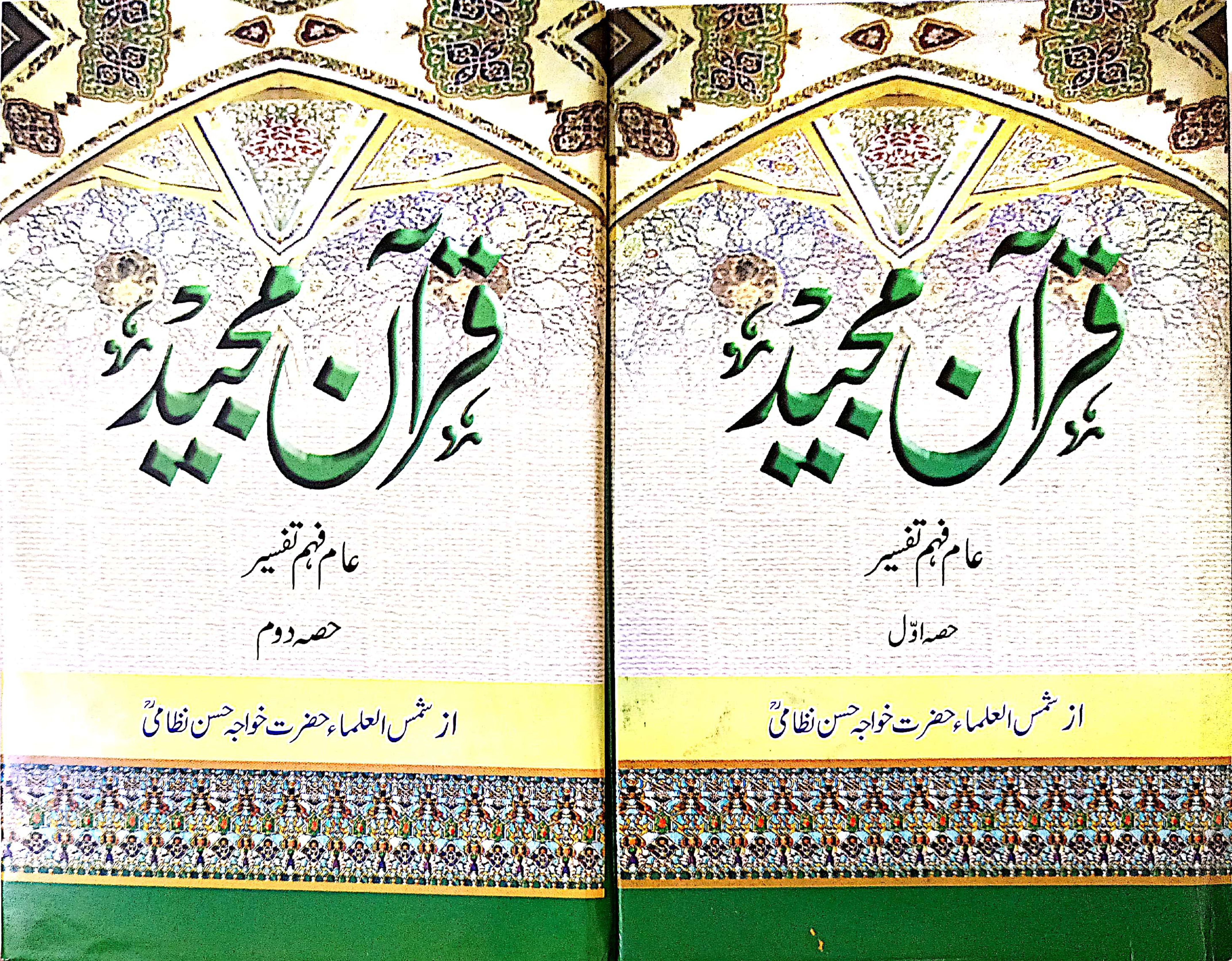
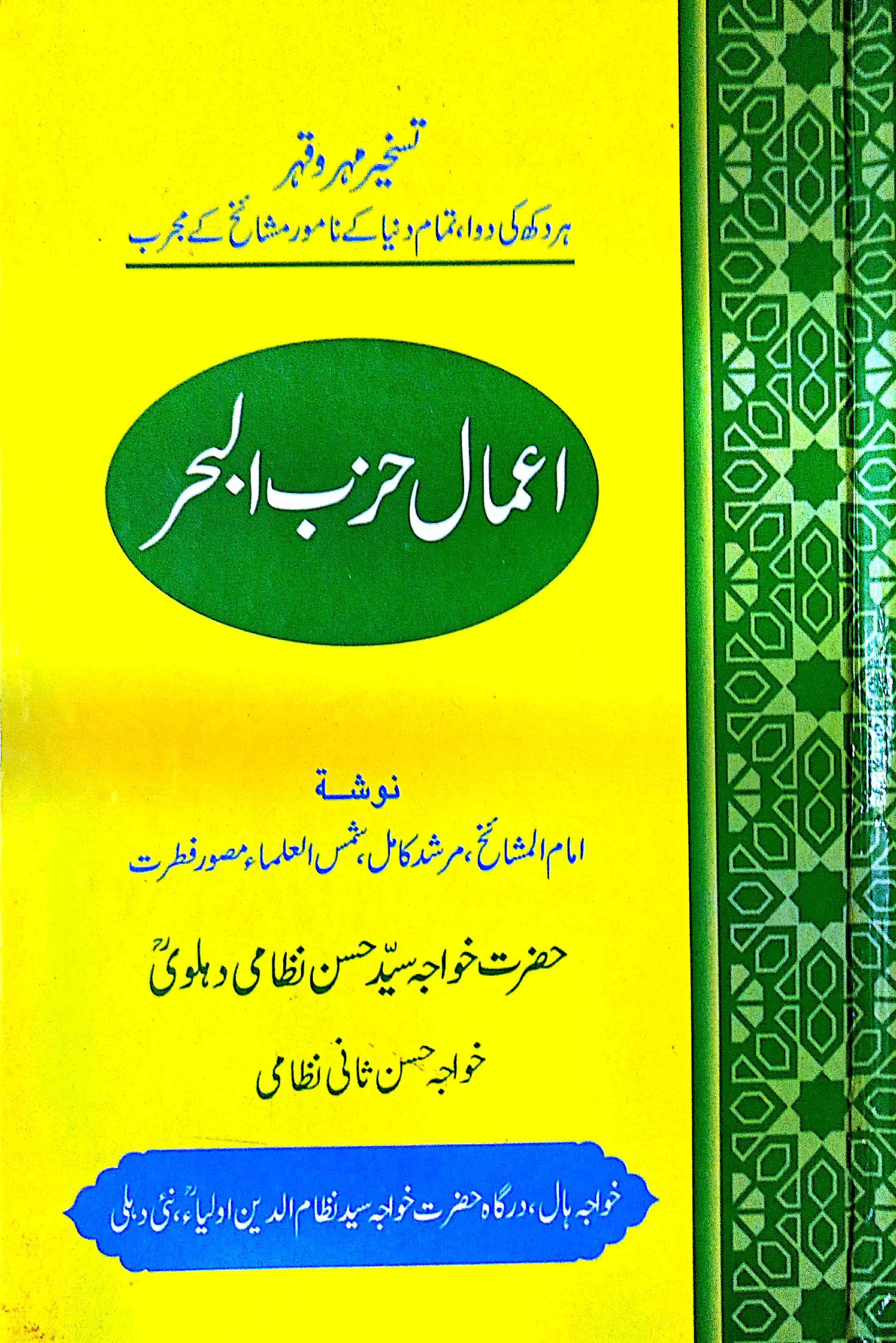
Work on Sufism
Born into the sacred household of a Sufi Saint (Khwaja Hasan Nizami), he was blessed to grow under the shade of spirituality and divine wisdom. Under the loving guidance of his revered Peer-o-Murshid Khwaja Hasan Sani Nizami and his father Hazrat Mehandi Nizami, he learned that Sufism is not merely a philosophy to be understand, but a way of life to be lived-with humility, love devotion, service and complete surrender.
He lived only a short span of worldly life, yet within those few years he achieved what many may seek for an entire lifetime. His life stands as a profound reminder to the world that "It is not the length of life that makes a Sufi Saint, but the greatnesss of what one accomplishes within that life." Some Souls spend many years in the world; others arrives for a breif movement, illuminate countless hearts, and leave behind a legacy the continues far beyond their time. His life was short-but his spiritual presence remains timeless.
Faizan-e-Fakriya
With immense dedication, extensive study, and deep spritual knowledge in his breif short life, he penned "Faizan-e-Fakhriya", an invaluable work dedicated to the life & teachings of the great 18th Century Chishti Nizami Sufi Saint Hazrat Maulana Fakhruddin Dehlvi Chishti R.A. The book chronicles his holy life, profound spiritual teachings, lineage, and the miracles (karamat) associated with him.
Promote Ganga-Jumuna Tahzeeb among Indians
Khwaja Syed Mohammad Nizami will organize four seminars at Khwaja Hall, bringing together scholars from leading universities, economists, industrialists, writers, and Sajjada Nashins of various Dargahs, along with people from diverse communities across India. The seminars will provide a meaningful platform to explore, understand, preserve, and promote India’s rich Ganga-Jamuni Tahzeeb and its traditions of cultural harmony, mutual respect, and peaceful coexistence. Through dialogue and exchange of ideas, the initiative will highlight the spirit of unity in diversity that forms the foundation of India’s composite cultural heritage.
Interfaith Dialogues
Following in the footsteps of his Dada Peer, Khwaja Hasan Nizami, and his Peer-o-Murshid, Khwaja Hasan Nizami, Khwaja Syed Mohammad Nizami has actively worked to promote interfaith harmony, mutual respect, and communal understanding between Muslims and Hindus in India and abroad. He has undertaken the work of transcripting and presenting Khwaja Hasan Nizami’s renowned book “Krishn Beeti”, which portrays the birth of Lord Krishna as the “Dawn of Truth” (Sachchai Ka Sawera), making its message accessible to younger generations of Indians. He has also promoted Khwaja Hasan Nizami’s historic appeal urging Muslims in India to protect the cow and refrain from consuming cow meat, as a gesture of respect for the religious sentiments of Hindu communities and in the spirit of India’s composite cultural heritage.
Testimonials
For More testimonials Click Here
Mr. Syed Mohammad Nizami dedicated his life to promoting the timeless values of Sufism, including tolerance, sharing, interfaith harmony and solidarity. He was equally committed to preserving and carrying forward his family's rich legacy of literature, music and the traditional Sufi art of Qawwali, inspired by the teachings of Hazrat Nizamuddin Auliya and Hazrat Amir Khusro.
His legacy will continue to inspire countless people worldwide, including in France, as highlighted during President Emmanuel Macron's visit to Hazrat Nizamuddin Dargha in January 2024. The Dargha has long served as a bridge for cultural exchange between India & France.
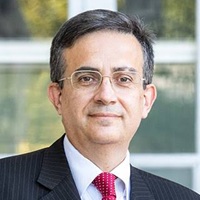
Dr. Thierry Mathou
Ambassador of France to India
One of the qualities that I admired the most about him was patience. He never rushed through things and always had a calm, collected and reliable demeanour that he carried through all his endeavours. He cared deeply about the people connected to him through Silsila and othen spoke about them with affection. He often told me about how much he loved and appreciated the mureeds and how devote and affection they are.
Right after the seminars, he would programme for Langar to be served for the attendees of the Urs. He would observe as the feist took place and would personally make sure that every one of his guest were savouring the langar. He held this practice dear to his heart and would often speak to me about how much he enjoyed feeding such a large amount of people,
"he found joy in other people's joy"
he often spoke to me about the future and the responsibilities that would eventually come to me. He would say that one day I, along with my little brother Hasan Murtaza would have to handle the matters of Nizamia Silsila together and that the two of us must always stand by each other, just that I had never anticipated that day to be so soon.

Khwaja Syed Mohammad Shaafi Nizami
Janasheen & Khalifa of Khwaja Syed Mohamamd Nizami
My beloved Syed Bhai (RA) first visited South Africa in 2000. On Syed Bhai’s (RA) first visit to South Africa, there was a problem with his visa to South Africa and my Beloved Khwajasaab (RA) flew alone from Mumbai to Johannesburg and Syed Bhai (RA) flew a day or two later.
I first met Syed Bhai (RA) at the Johannesburg International Airport and ensured Syed Bhai (RA) had boarded correctly on the domestic airport side from Johannesburg to Durban. He was a tall and handsome young man and always displayed a warm smile and demeaner. He always displayed a regal dispossession and had a special aura about him. We spent a few minutes chatting before he boarded to take the short 1-hour flight to Durban. I was newly married and spent the year 2000 working in Johannesburg.
Syed Bhai (RA) had visited Southern Africa three times with Khwajasaab and once he visited us in 2019 with his wife and his youngest son Hasan Mia. There was a wedding with one of the mureed’s daughter’s (Hafez Arshad Bhai) in Durban.
My beloved Syed Bhai will always be remembered for is loving and warm smile and always making the next person feel as a very special individual. The world has lost a giant in the Soofie order.

Hafiz Fayyaz Mausam Nizami
Khalifa - Khwaja Hasan Nizami (Durban South Africa)
Khwaja Saiyad Muhammad Nizami Sahab grandson of Khwaja Saiyad Hasan Nizami, former Sajjadah Nashin of Dargah Hazrat Nizamuddin Auliya Alehi Rehma, an important figure of Delhi. His genealogy is traced to Hazrat Imam Zainul Abideen son of Hazrat Imam Hussain. He led the Sufi movement in India. He made the Dargah as an academic centre writing on Sufis of India. He published “Fawaidul Fuwad”, a collection of malfuzat of Hazrat Nizamuddin Auliya and other books.
Khwaja Saiyad Muhammad Nizami former Sajjada Nashin of Dargah of Hazrat Nizamuddin Auliya Alehir Rehma. After his uncle Hasan Sani Sahab’s death, he had taken the responsibility of the Dargah as well as all the academic activities. He published “Munadi”, a journal and other books etc. keeping in view of his contributions for the promotion of Sufi movement in India, as a token of gratitude I had dedicated my book – Sufis of Deccan – A biographical Study, published in 2023. His untimely death is not only a great loss to his family but to the whole Sufi community of the world.
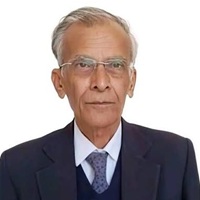
Pro. S.M. Azizuddin Husain
Former Head, Department of History & Culture, Jamia Millia Islamia, New Delhi
Hazrat Mohammad Nizami Saheb Qibla was a dignified scholar and a profound spritual personality. He was a true lover of saints and a living embodiment of their message.The teachings of Hazrat Nizamuddin Auliya rooted in love, patience, service to humanity, selflessness and sincerity were clearly reflected in hislife.He did not confine these teachings to word alone but practice them in his daily life, setting a shining example for others. he had a deep spritual attachment to the Chishti Order. Remembrance of Allah, love for humanity and humility were integral parts of his character. Every year, he considered it is a great honor and blessing to visit the sacred shrine of Hazrat Khwaja Banda Nawaz in Gulbarga during the Urs. The entire life of Hazrat Mohammad Nizami Saheb Qibla was devoted to the service of religion, the promotion of love and welfare of humanity.

Dr. Hafiz Syed Muhammad Ali Al Hussaini
Sajjada Nashin - Dargha Hz. Khwaja Bandanawaz Rh, Gulbarga Sharif
Contact
Shaafi Nizami (Sajjada Gadi Nasheeen)