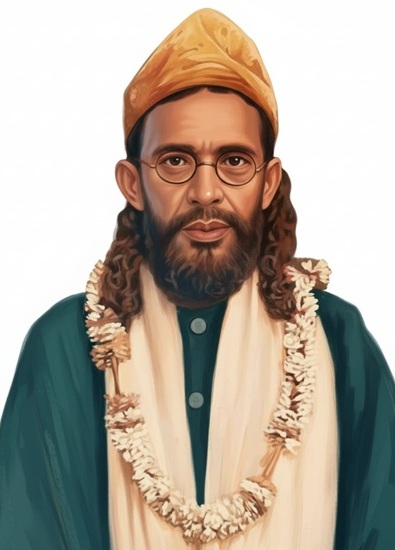

Khwaja Hasan Nizami
He is a Writer
About Khwaja Hasan Nizami
Khwaja Hasan Nizami was an Indian Sufi scholar of the Chishti order, prolific Urdu prose writer, and journalist who served as a hereditary custodian of the Nizamuddin Auliya shrine in Delhi while forging an independent public persona through literature and activism.
Born Syed Ali Hasan in Basti Nizamuddin to parents Syed Aashiq Ali Nizami and Syeda Chaheeti Begum, he was orphaned by age twelve, received no formal education, and sustained himself through manual labor and entrepreneurial ventures rather than relying on shrine endowments. Despite his familial ties to the shrine's khadims, Nizami distanced himself from passive custodial roles to emphasize personal spiritual discipline under masters like Khwaja Gulam Fareed and Mehar Ali Shah Goldawi, while editing journals such as Nizam-ul-Mashaikh and Munaadi to propagate Sufi teachings.
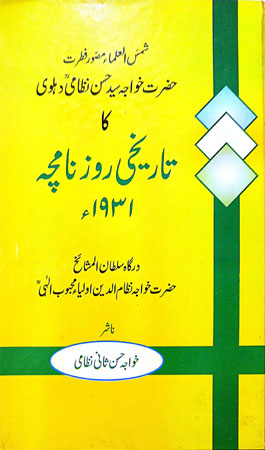
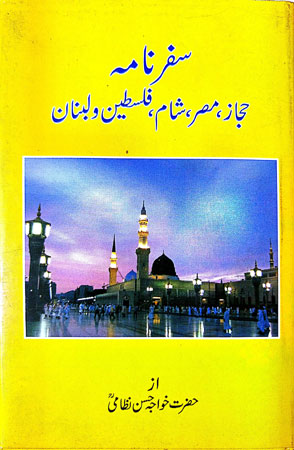
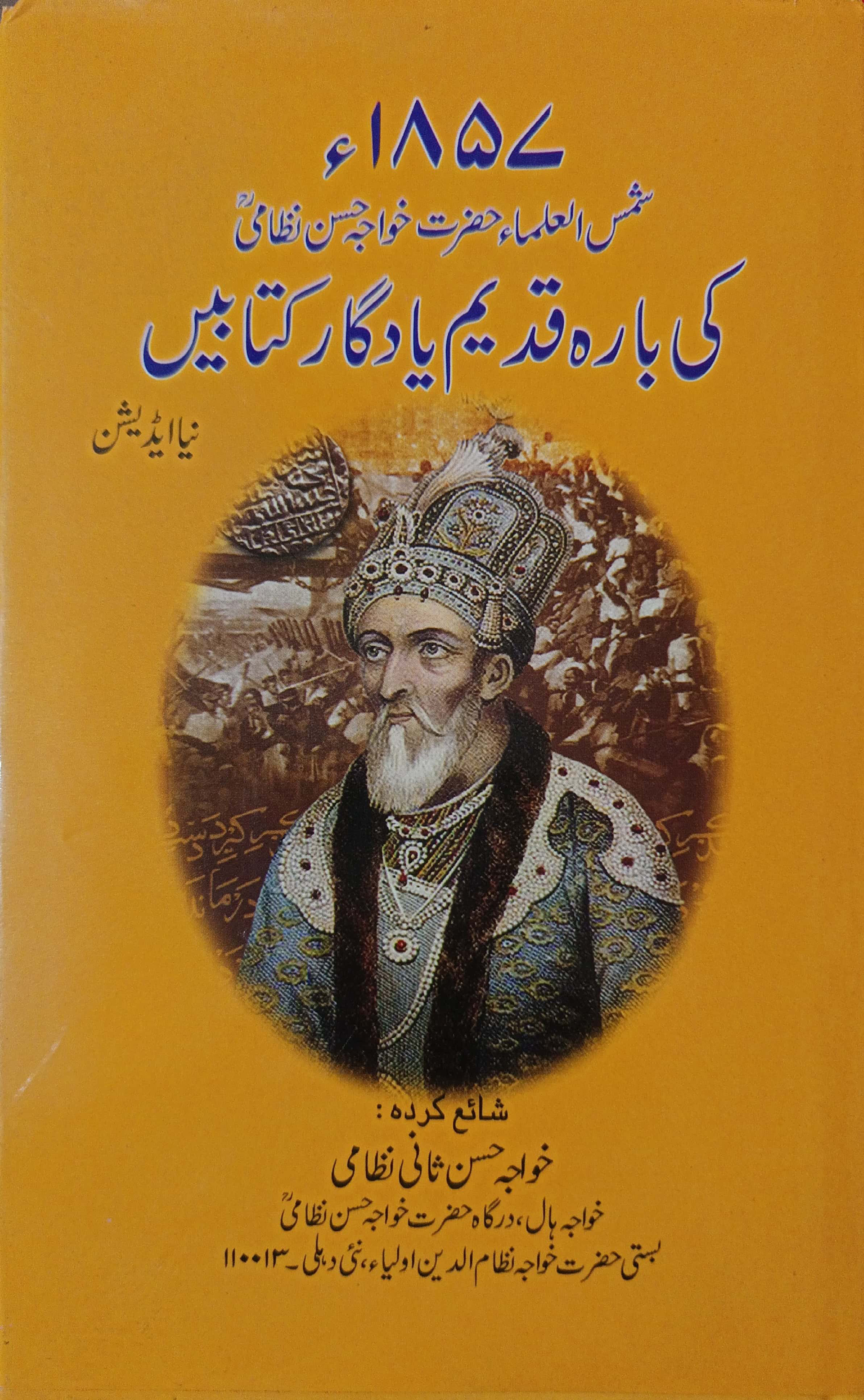
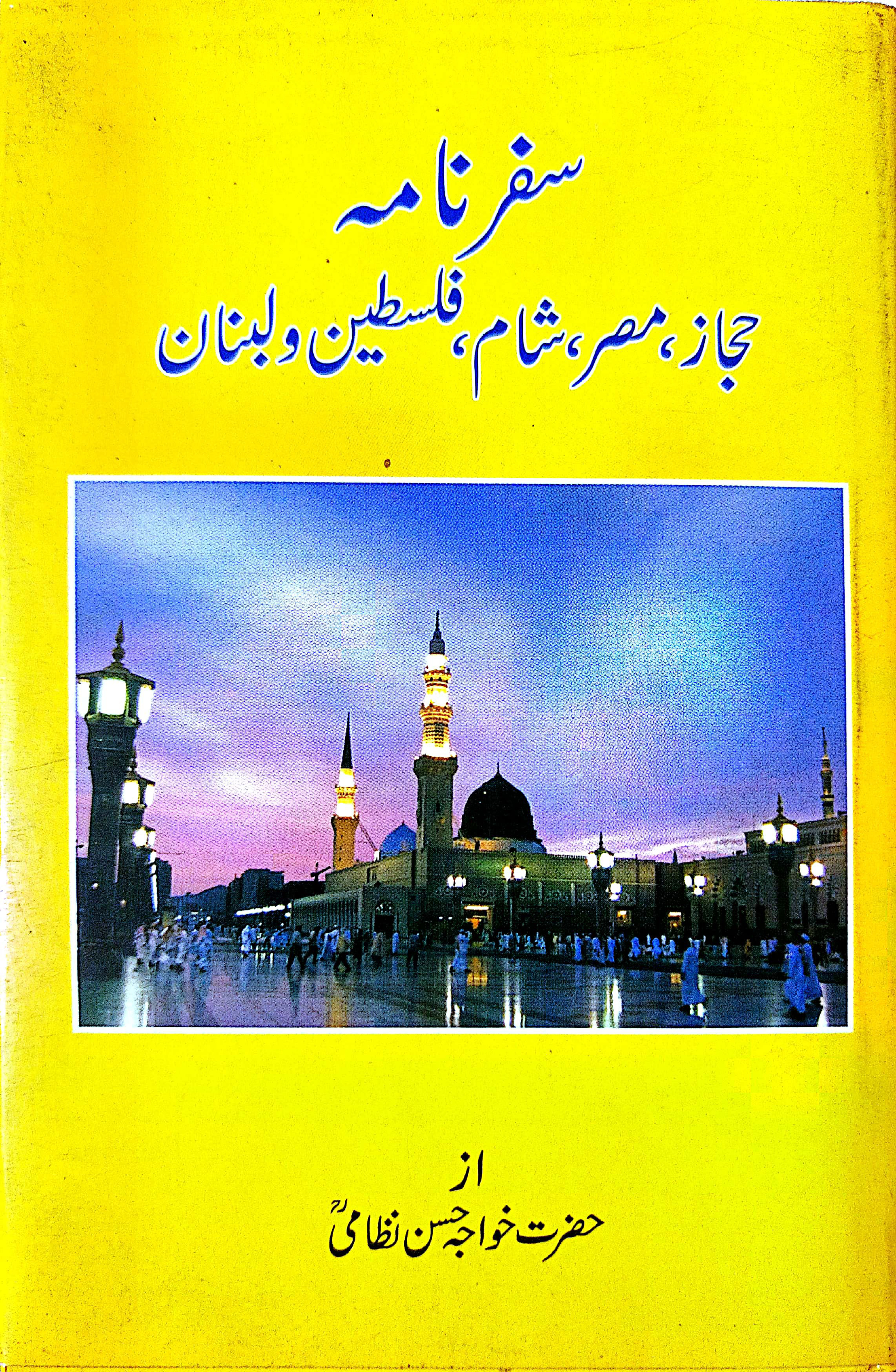
His literary output exceeded Five hundred books and thousands of articles across genres including historical accounts of the 1857 revolt (Begamaat ke Aansoo, Ghadar ke Akhbaar), travelogues (siyāhnāme of Arabia and Pakistan), and essays blending humor, satire, and philosophy on mundane topics like crickets or matchsticks to reveal deeper insights. Nizami pioneered serialized Urdu diaries with Roznāmcha, spanning over forty years of commentary on politics, personalities, and spirituality, and innovated Sufi autobiography by merging ecstatic visions with worldly narratives, though he initially withheld the more mystical portions due to concerns over misinterpretation. He launched a tablīgh initiative in the 1920s for grassroots Islamic education amid communal strife, studied Vedanta to draw parallels between Hindu figures like Krishna and Islamic prophets, and opposed cow slaughter as un-Islamic in Tark Qurbani Gau, aiming to reduce tensions without compromising doctrinal distinctions.
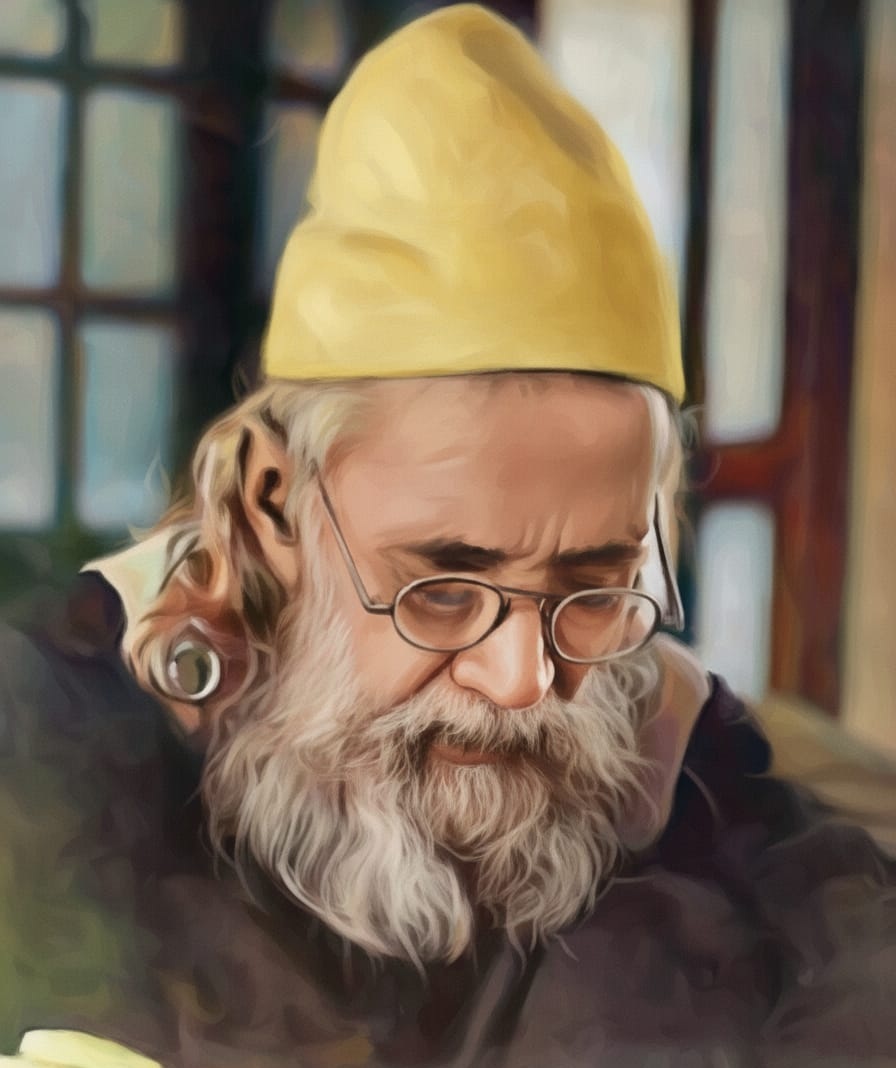
A Sufi Saint & Writer
- Born: 6th January 1878 / 2 Moharram 1295 AH
- URS: 31st July 1955 / 10 Zilhajj 1374 AH
- Peer-O-Murshid: Khwaja Gulam Farid & Hazrat Peer Meher Ali Shah
- Janasheen: Hazrat Khwaja Hasan Saani Nizami
- Spouse: Khwaja Mehmooda Bano Nizami
- Resting Place: Dargah Khawaja Hall, Delhi
- Title: Qutab-e-waqt, Shamsul Ulama, Imam-ul-Mashaik, Mussavir-e-Fitrat.
Life of Khwaja Hasan Nizami
"Musawwir-e-Fitrat"
" The Painter of Nature" or "Portrayer of Reality" is the famous title given to Khwaja Hasan Nizami, a highly celebrated Indinan Sufi Saint, Urdu essayist, journalist and humorist. He earned this title due to his exceptional ability to vividly capture human nature, everyday life and natural surroundings through his unique, simple and powerful Urdu proses styling.
Born on Nizami Faimly
On 6th January 1878 / 2 Moharram 1295 AH
Khwaja Hasan Nizami, born Syed Ali Hasan, entered the world on 26 December 1878 (corresponding to 2 Muharram 1296 AH) in the Nizamuddin shrine quarter of old Delhi, a locale steeped in Sufi heritage. His family traced descent from the Prophet Muhammad as Sayyids and served as hereditary custodians of the shrine of the Chishti saint Nizamuddin Auliya (d. 1325), positioning them within Delhi's inner circle of Sufi tradition-bearers. His father, Hafiz Sayyid ‘Asiq ‘Ali (also recorded as Syed Aashiq Ali Nizami), sustained the household through manual labor as a bookbinder amid economic hardship.
Nizami's mother, identified in some accounts as Syeda Chaheeti Begum, played a role in his early care, including seeking spiritual intercession during a severe illness he suffered around age three from a dervish linked to the Mughal court. Tragedy marked his childhood: both parents and two sisters passed away before he reached twelve, leaving him under the guardianship of his elder brother, Sayyid Hasan ‘Ali Shah, who facilitated his continued education. To contribute to the family's needs, young Nizami assisted at the shrine by minding visitors' shoes and hawked books and Delhi photographs as a street vendor, reflecting the modest circumstances of shrine-adjacent life.
His upbringing unfolded amid the spiritual ambiance of the Nizamuddin complex, fostering an early immersion in Islamic piety and scholarship. Initial lessons encompassed Qur'anic recitation, Persian texts, and Arabic grammar and composition under teachers like Maulana Muhammad Ismail Sahib, a scholar residing near the shrine who had served the Mughal court. This environment, detailed in Nizami's own autobiographical reflections, emphasized traditional learning tied to Chishti devotional practices rather than formal madrasa structures.
Education
Master of Quran and Hadis
1890 - 1915
Sharh-e Tadhhīb and Kanz al-Daqā’iq
Khwaja Hasan Nizami received his early education in the traditional Islamic style within the Nizamuddin area of Delhi, where his family served as hereditary custodians of the Nizamuddin Auliya shrine. Orphaned at age 12 following the death of his parents, he was deprived of sustained formal schooling but continued studies under family guidance and local scholars. His initial learning focused on the Qur'an, followed by general Persian texts, Arabic composition, and grammar.
Under his first teacher, Maulana Muhammad Ismail Sahib—a scholar who had served the Mughal court and resided near the Nizamuddin shrine—Nizami studied key religious works including Sharh-e Tadhhīb and Kanz al-Daqā’iq, a foundational Hanafi fiqh text. After his parents' passing, his elder brother, Sayyid Hasan Ali Shah, assisted in advancing his studies, covering tafsir such as Jalalayn and hadith compilations like Mishkat Sharif. He subsequently began exploring major hadith collections, including Sunan Abi Dawud and Sunan Tirmidhi.
Nizami later attended Madrasa Rashidia in Gangoh for one and a half years under the Deobandi scholar Rashid Ahmad Gangohi (d. 1905), supplementing his local training with structured seminary instruction. Attempts to learn English at a later stage proved unsuccessful, underscoring the primacy of religious and classical Islamic disciplines in his formation. Despite these constraints, his self-directed observation and immersion in diverse experiences fostered extensive erudition, enabling prolific authorship in Urdu prose, theology, and history.
Nizamia Silsila
Khwaja Hasan Nizami was born into a prominent family of Chishti Sufis serving as hereditary custodians (khadims) at the shrine of Nizamuddin Auliya in Delhi, which positioned him within the Nizami branch of the Chishti order from an early age. This familial connection provided him with immersion in Sufi practices, though formal initiation (bay'ah) marked his entry as a committed disciple.
Khilafat
Year: un known
Murshid : Khwaja Gulam Farid
- His initiation occurred under the guidance of Khwaja Ghulam Farid (d. 1901), a revered Chishti saint from the Sabiri-Nizami lineage based in Bahawalpur, whom Nizami accepted as his first spiritual master (murshid).
- Ghulam Farid, known for his poetry and emphasis on spiritual discipline, imparted training in core Chishti principles such as devotion (ishq), renunciation (zuhd), and remembrance of God (dhikr), aligning with the order's tradition of adapting to local Indian contexts while upholding Islamic mysticism.
Khilafat
Year: 1930
Murshid : Pir Mehar Ali Shah
- Following Ghulam Farid's death in 1901, Nizami sought further guidance from Sayyid Muhammad Mehr Ali Shah Golrawi (1859–1937), another key figure in the Chishti Sabiri-Nizami silsila, who became his subsequent murshid and reinforced his commitment to the path.
Through these initiations, Nizami not only deepened his personal spiritual practice but also positioned himself to revive the Nizami branch of the Chishti order, which had waned in prominence, by integrating literary outreach and public engagement with traditional khanqah-based training. This progression from familial exposure to formal discipleship under established pirs exemplified the Chishti emphasis on hereditary yet merit-based transmission of authority, enabling Nizami to later initiate thousands of disciples himself.
Shajra Nizamia Naseeriya
- Ilahi Bahurmat Murshid Azam Huzur Mohammad Rasool Allah ﷺ
- Imam-ul-Auliya Hazrat Ali Bin Abi Talib A.S.
- Sheikh-ul-Azam Hazrat Khwaja Hasan Basri R.A.
- Hazrat Khwaja Abdul Wahid Bin Zaid R.A.
- Hazrat Khwaja Fuzail Bin Ayaz R.A.
- Hazrat Sultan Ibrahim Adham Balkhi R.A.
- Hazrat Khwaja Sadiduddin Huzafatul Marashi R.A.
- Hazrat Khwaja Aminuddin Abi Hubairatul Basri R.A.
- Hazrat Khwaja Mumshad Alu Dainuri R.A.
- Hazrat Khwaja Abu Ishaq Shami Chisthi R.A.
- Hazrat Khwaja Abu Ahmed Chisthi R.A.
- Hazrat Khwaja Abu Mohammad Chishti R.A.
- Hazrat Khwaja Abu Yusuf Naasiruddin Chisthi R.A.
- Hazrat Khwaja Syed Qutabuddin Modud Chisthi R.A.
- Hazrat Khwaja Hazi Sharif Zindanni Chisthi R.A.
- Khwaja Azam Hazrat Khwaja Usman Harooni Chisthi R.A.
- Nayab Rasool Allah Fil-Hind Hazrat Khwaja Moinuddin Chisthi Ajmeri Garib Nawaz R.A.
- Hazrat Khwaja Qutabbuddin Bakhtiyar Kaki Chisthi R.A.
- Hazrat Khwaja Baba Fariduddin Masood Ganj-e-shakar Chisthi R.A.
- Sare Silsila Nizamia Mahboob-e-ilahi Hazrat Khwaja Syed Nizamuddin Mohammad Auliya Chisthi Dehlavi R.A.
- Hazrat Makhdoom Nasiruddin Mahmood Chirag Dehlavi R.A.
- Hazrat Sheikh Kamaluddin Ulama Chisthi Dehlavi R.A.
- Hazrat Sheikh Sirajuddin Chisthi R.A.
- Hazrat Sheikh Alamuddin Chisthi R.A.
- Hazrat Sheikh Mahmood urf Sheikh Rajan Chisthi R.A.
- Hazrat Khwaja Sheikh Jamaluddin urf Jumman Chisthi R.A.
- Hazrat Khwaja Hasan Mohammad Chisthi R.A.
- Hazrat Khwaja Sheikh Mohammad Chisthi R.A.
- Hazrat Khwaja Sheikh Yahiya Madani Chisthi R.A.
- Hazarat Khwaja Sheikh Kaleemullah Jahanaabadi Chisthi R.A.
- Hazrat Khwaja Nizamuddin Aurangabadi Chisthi R.A.
- Mujaddid-ul-Islam Hazrat Molana Mohammad Fakhruddin Chisthi Dehlavi R.A.
- Hazrat Qibla Alam Molana Noor Mohammad Maharavi Chisthi R.A.
- Imam-ul-Huda Hazrat Molana Shah Suleman Taunsvi Chisthi R.A.
- Noorul Awwaleen wal Akhireen Hazrat Molana Shamsuddin Sayalvi Chisthi R.A.
- Hajjatullah Fizamanul Hazir Hazrat Molana Peer Meher Ali Shah Chisthi R.A.
- Shamsul Ulama Imamul Mashaikh Hazrat Khwaja Syed Hasan Nizami R.A.
- Fakhr-e-Delhi va Fakhr-e-Hindusthan Humrang-e-Mehboob-e-Ilahi Hazrat Khwaja Syed Hasan Sani Nizami R.A.
- Fakhr-e-Delhi Dilruba-e-Shaheedane-Khwajgan Hazrat Khwaja Syed Mohammad Nizami R.A.
- Khakpaye Warisane Khwajgan Khwaja Syed Mohammad Shafi Nizami
Urdu
Hindi
Silsile ka Ruhani Uruj
Dargah Hazrat Nizamuddin Auliya
till 1955
Sajadqa Nasheen
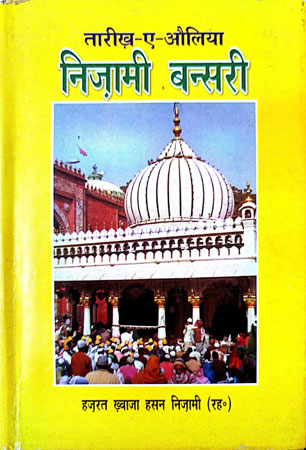
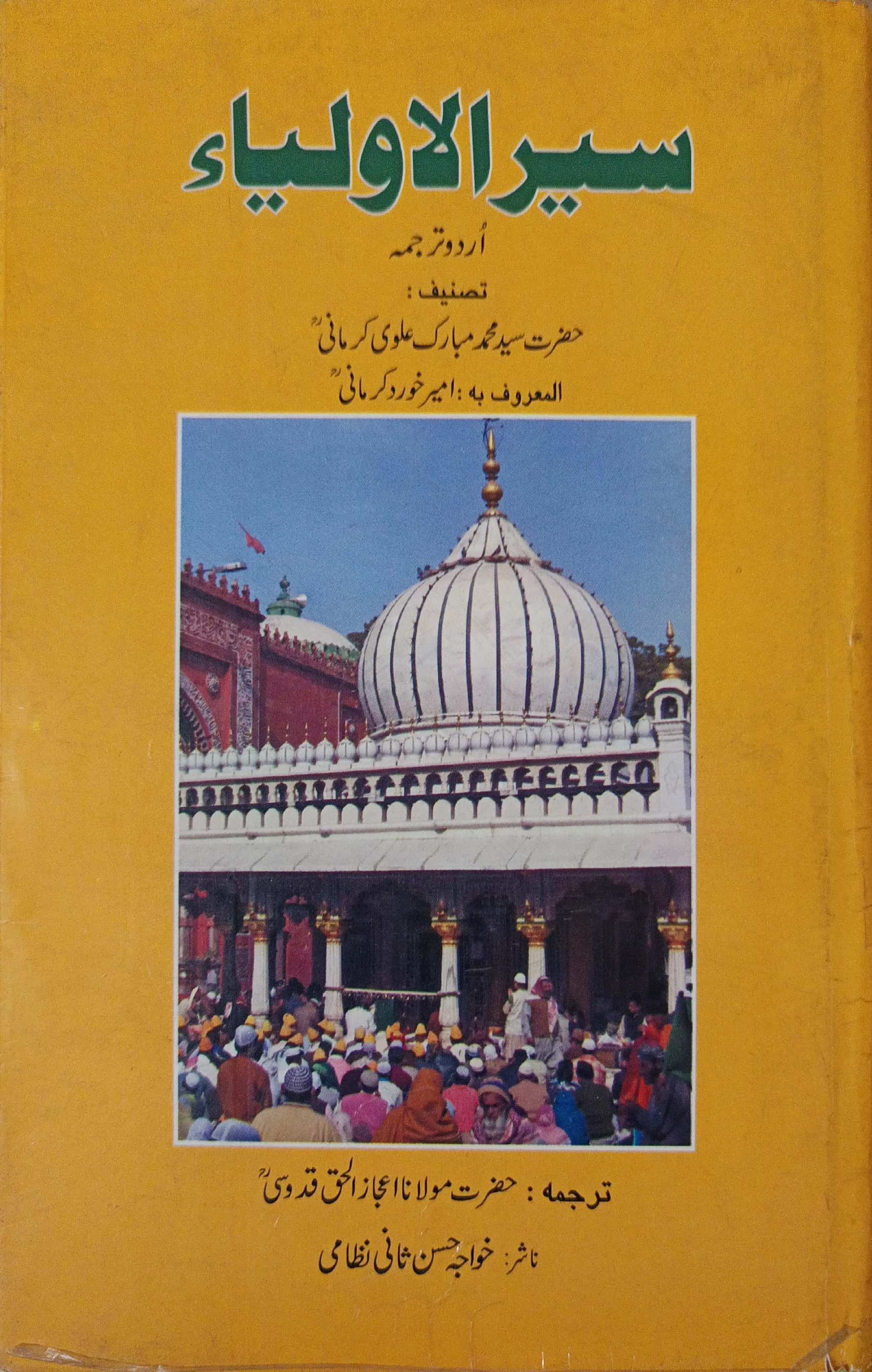
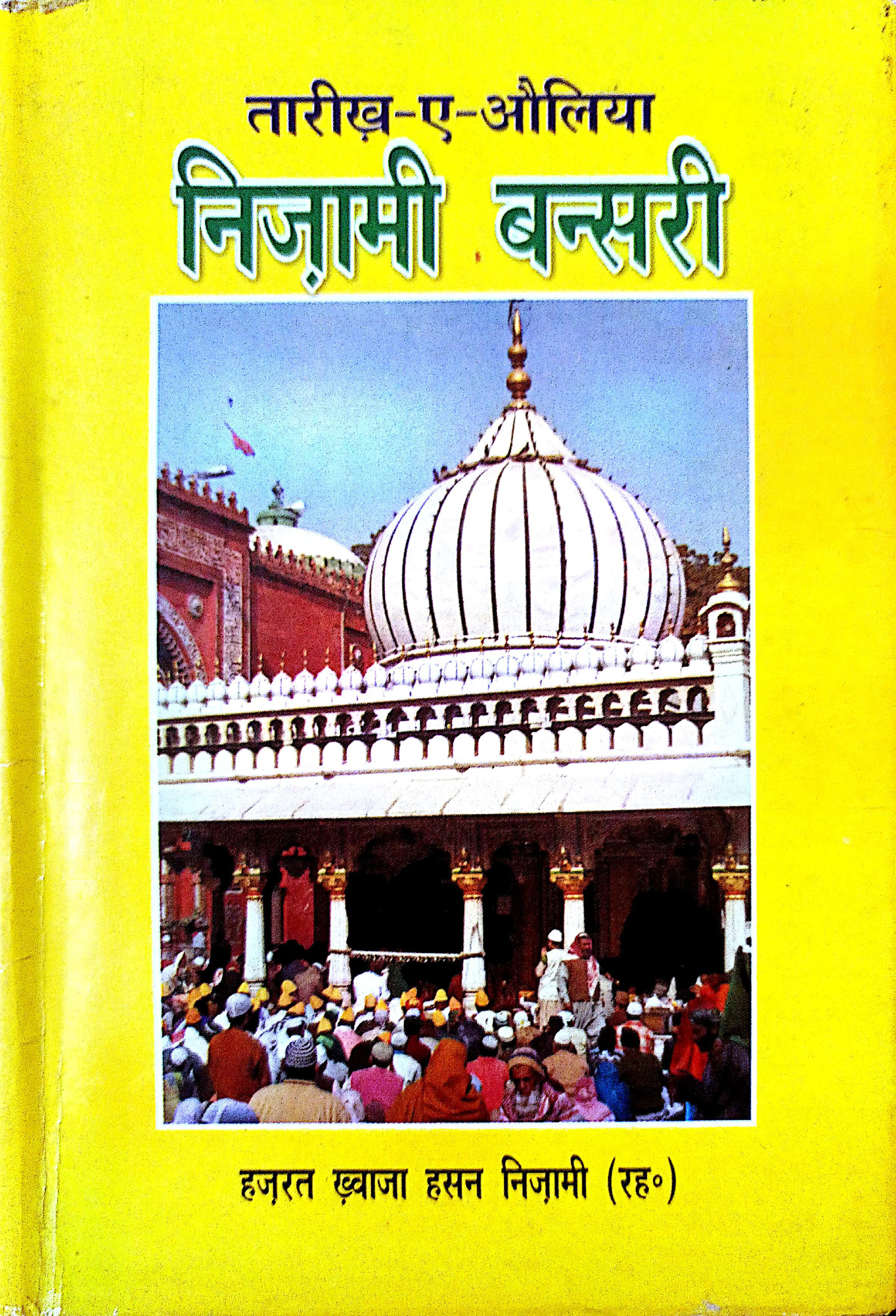
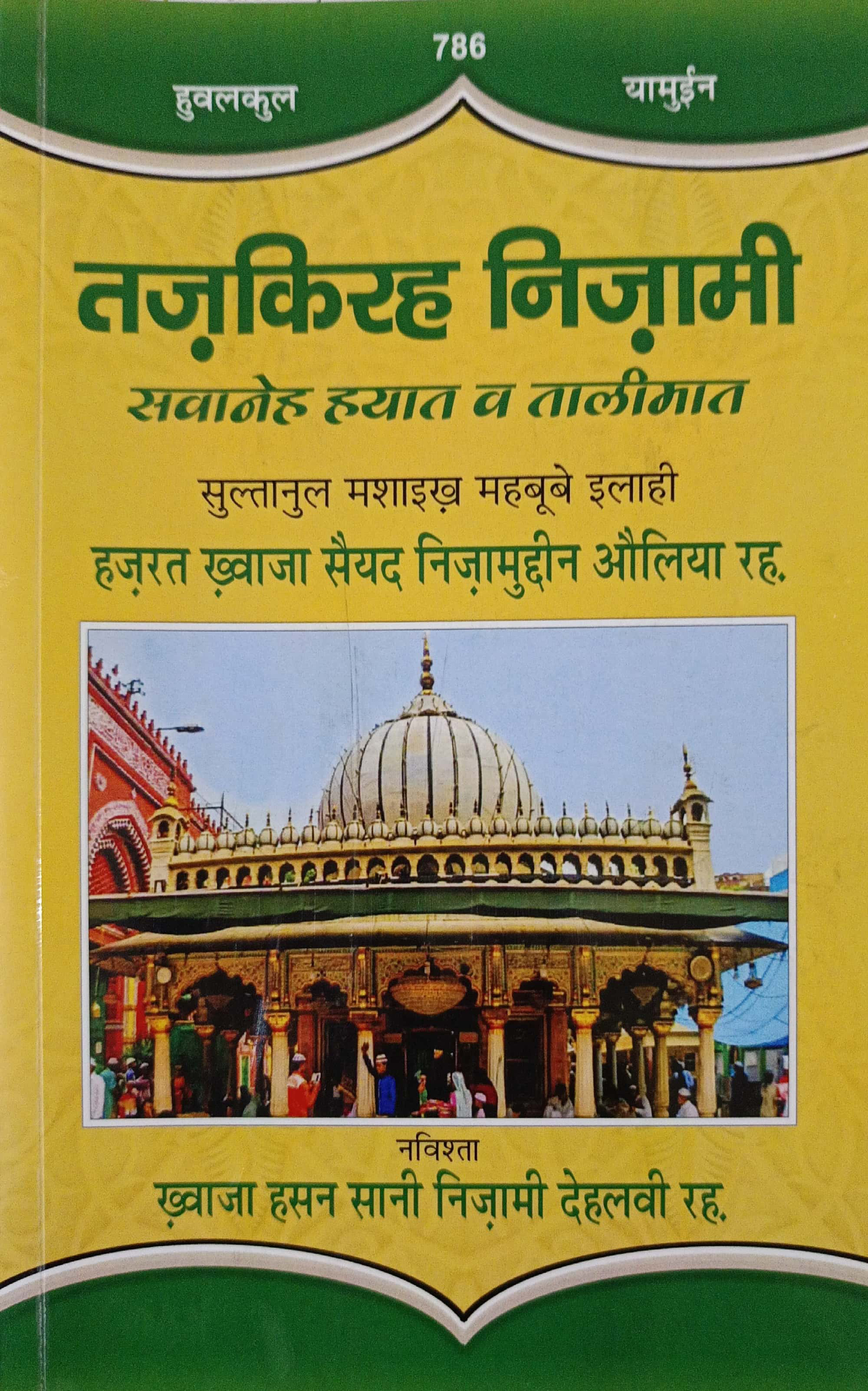
- As a member of the hereditary khadim family at the shrine, Nizami maintained associations with the dargah, contributing through literary works like Nizami Bansari, a detailed account of Nizamuddin Auliya's life, ideology, and interactions, which preserved the shrine's historical legacy in Urdu prose, and occasional services such as operating a dispensary for pilgrims.
- However, he distanced himself from reliance on shrine endowments or passive custodial roles, sustaining independently through ventures like journalism and sales.
- His efforts included leveraging the dargah's platform for tabligh in the 1920s, countering movements by distributing pamphlets and publishing Da'i-i Islam (1923) to affirm Islamic perspectives amid unity efforts.
- The custodianship faced disputes, with competing claims such as from Pir Zamin Nizami highlighting tensions between hereditary ties and authority. These connections underscored Nizami's dedication to the dargah as a Sufi hub until his death in 1955.
Khwaja Hasan Saani Nizami
1921-2015
Janasheen, Khalifa & favourate Son
- Khwaja Hasan Nizami visit lots of Dargah and Makkah & Madina for a son who is obedient, true follower, a sufi saint and who can spread his spritual mission at next level.
- He gave his name to this son and called his Hasan Saani (Same as Hasan).
- Khwaja Hasan Saani Nizami spread this spritual mission of Nizamiya Silsila at higher peak.
- Delhi Government honour Khwaja Hasan Saani Nizami title of "Delhi Gaurav".
Books
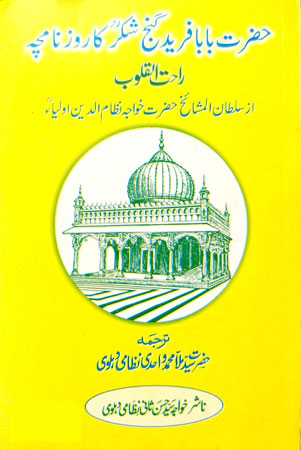
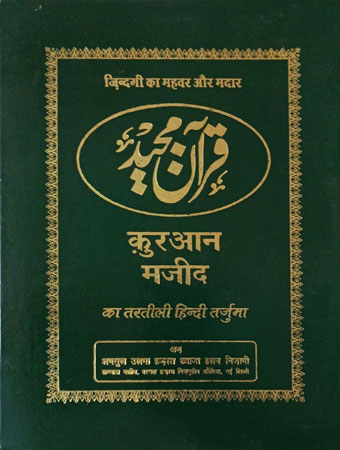
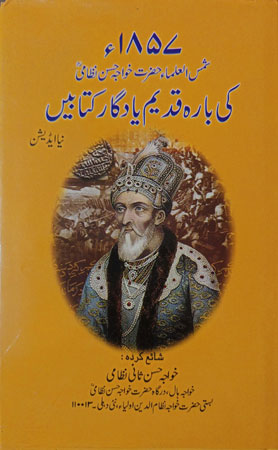
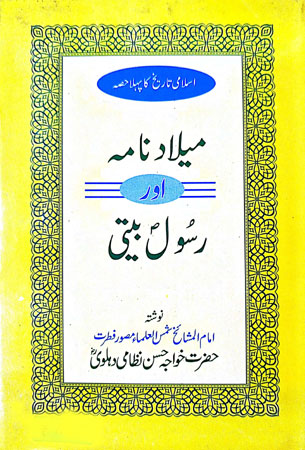
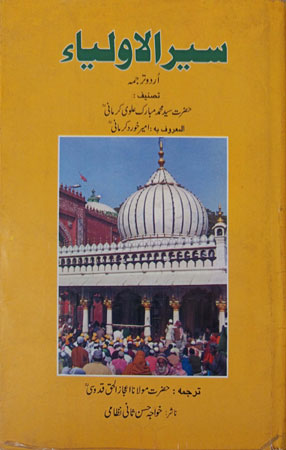
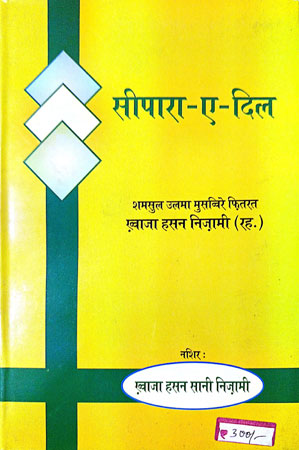
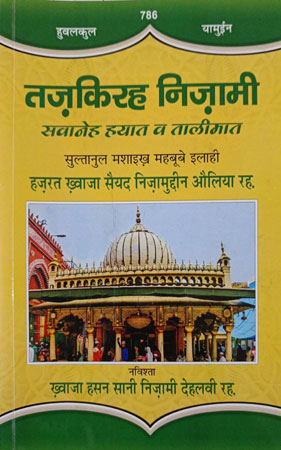
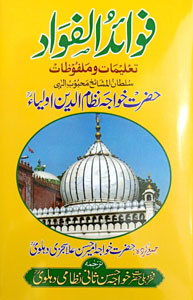
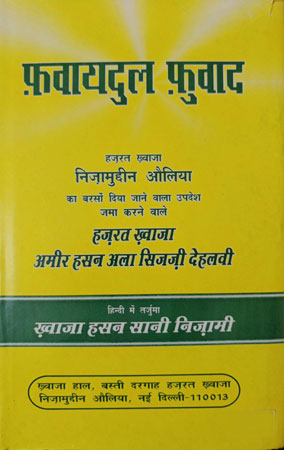
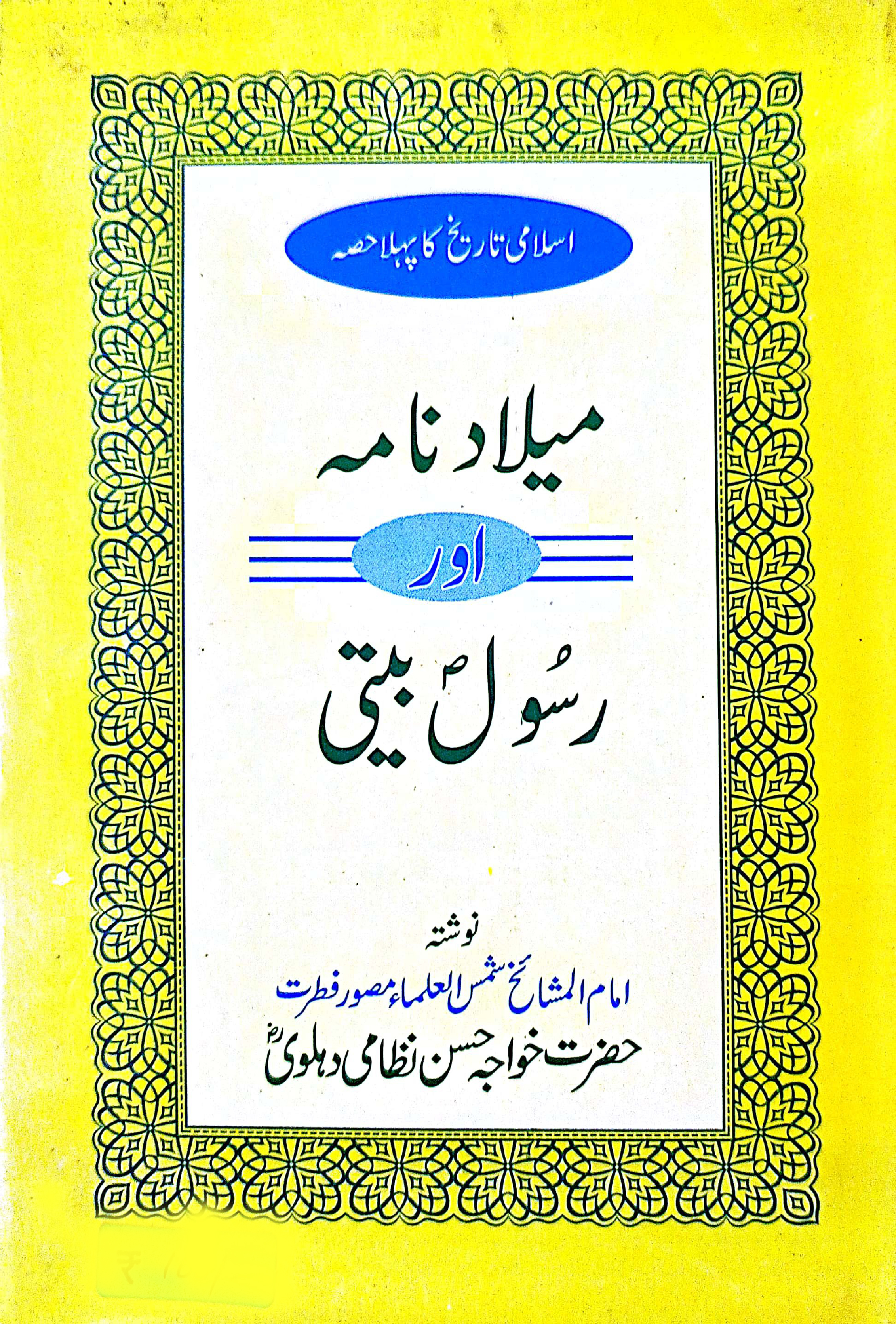
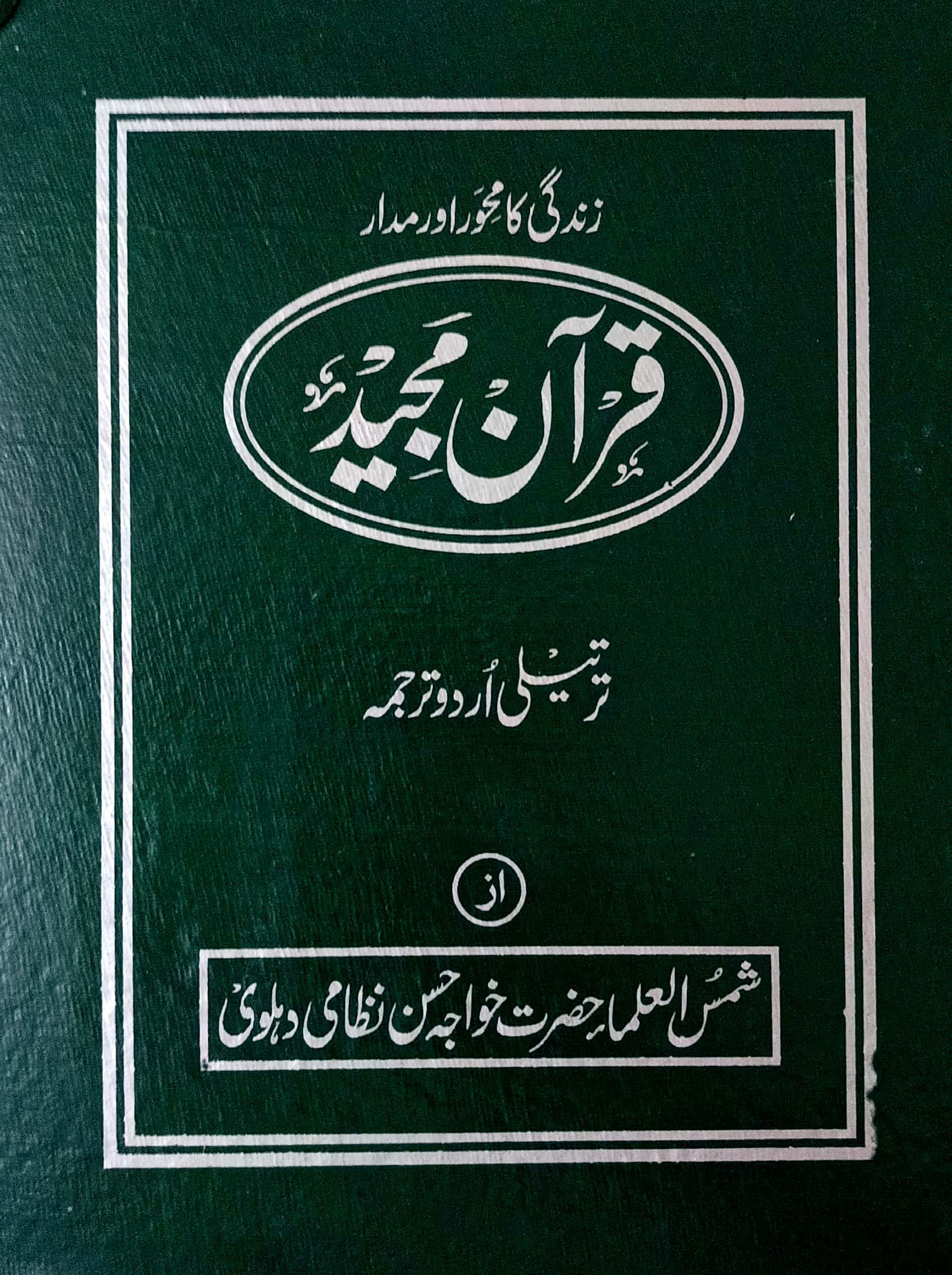
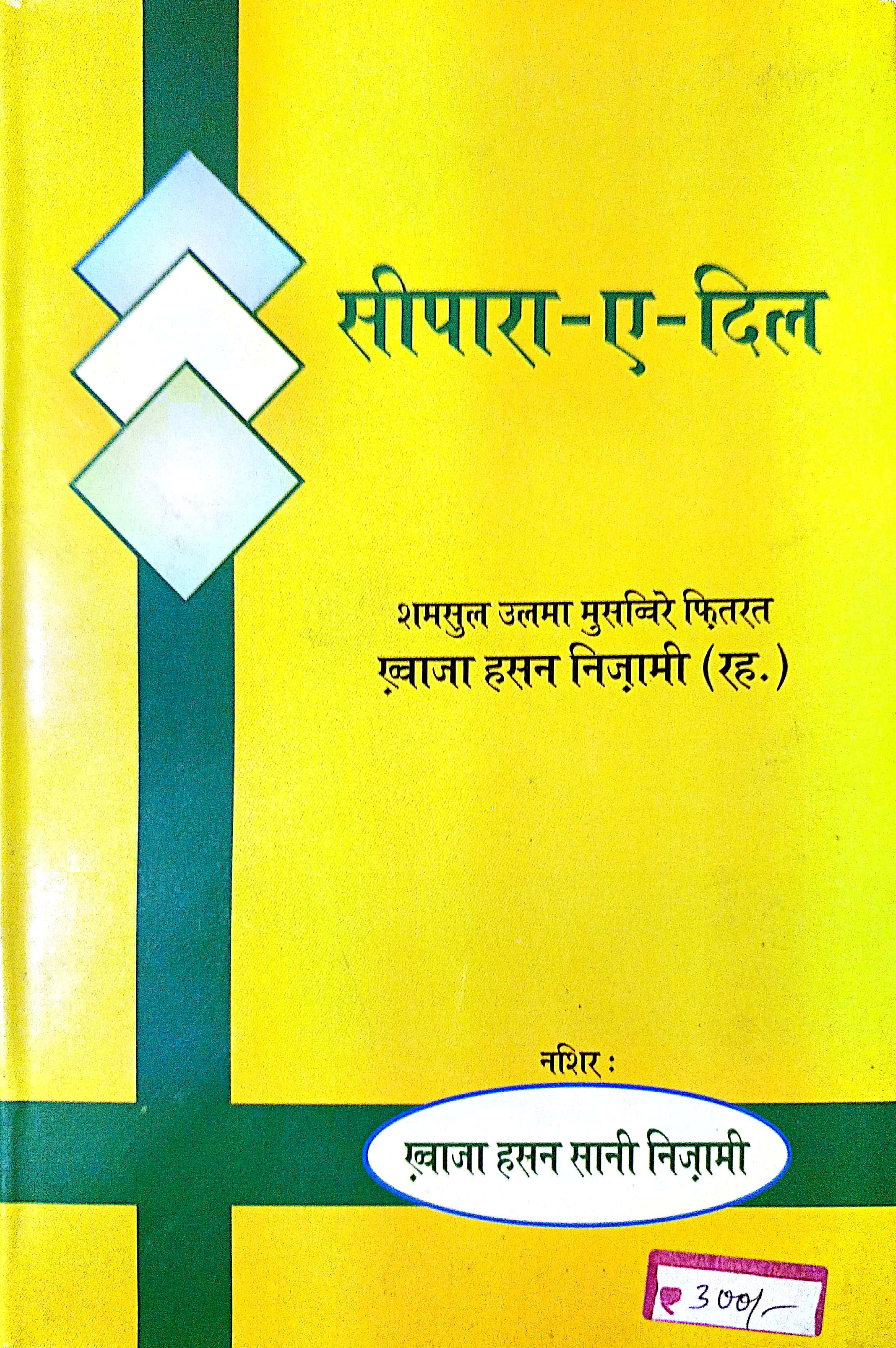
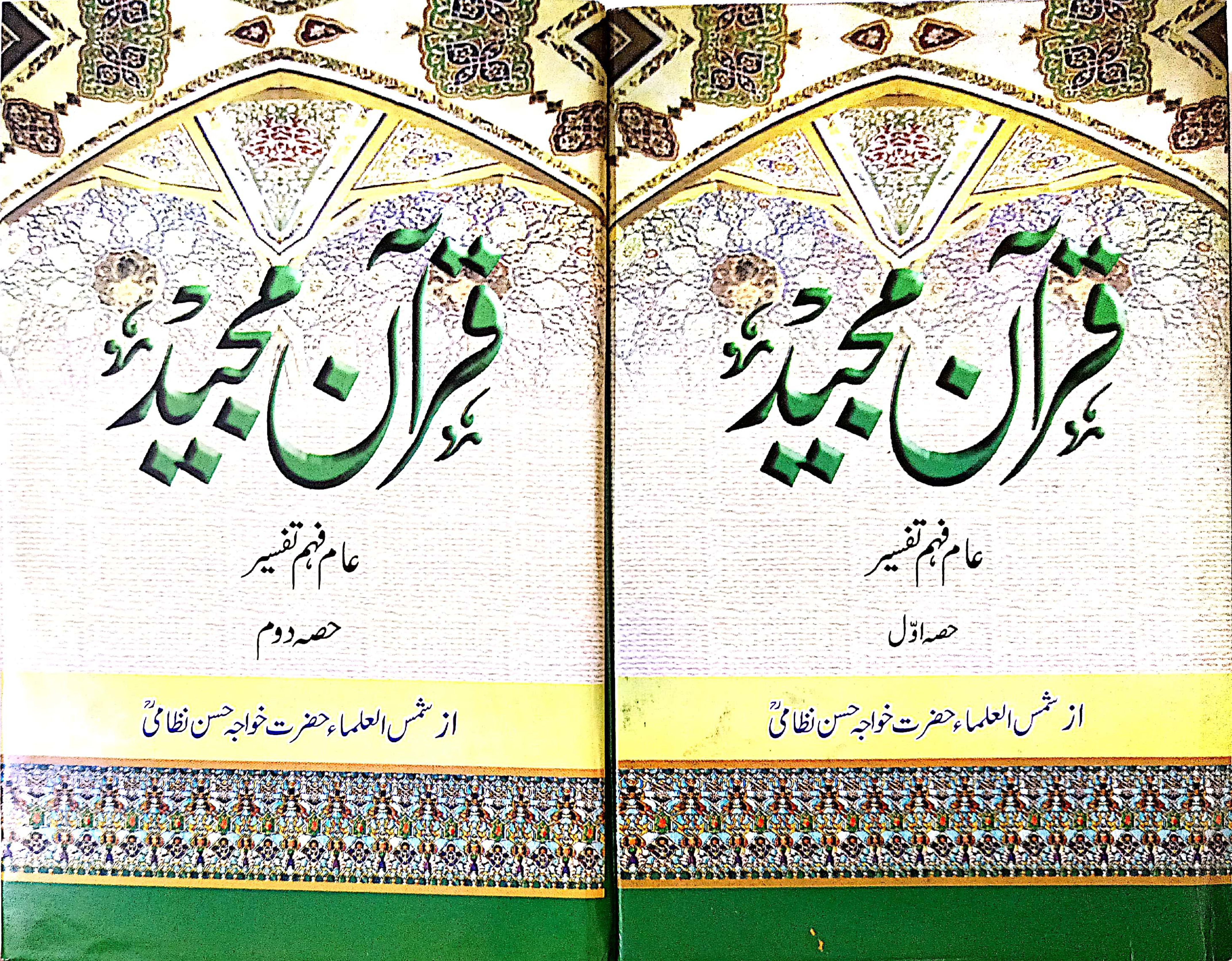
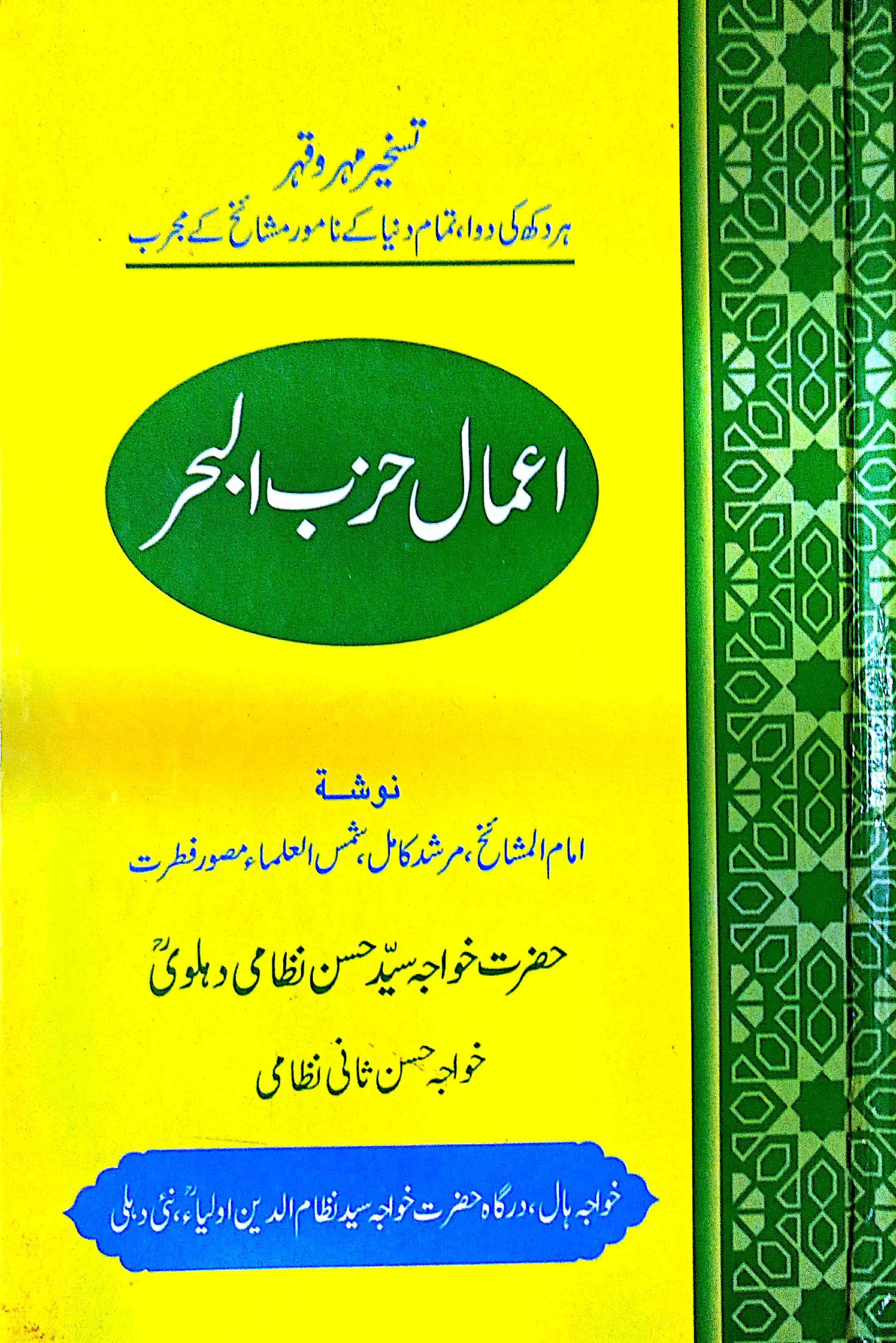
He wrote more than 500 books including the incidents of Indian Rebellion of 1857, while Mulla Wahidi confirms that, on an amazing variety of subjects to his credit. Famous books like Hindi Tarjuma of Quran Sharif, Nizami Bansari, Krishan Biti, Fawaydul Fawad, Siparaye Dil, Begamat ke Ansu, etc are very demanding in between the mureed and common public.
- All
- Quran
- Historical
- Sufism
- General
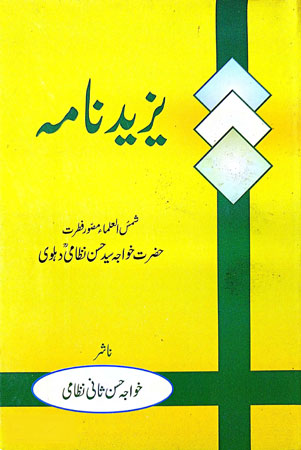
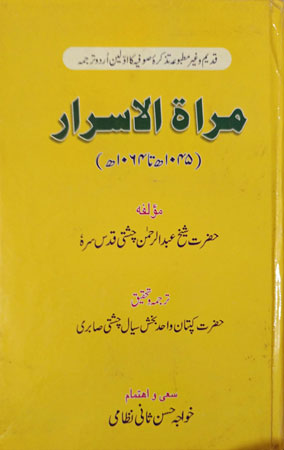
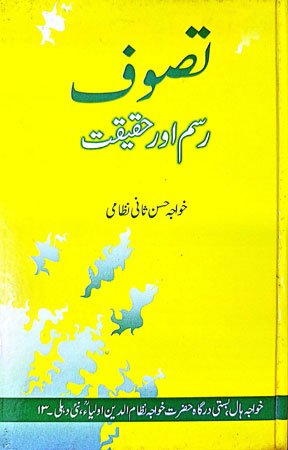
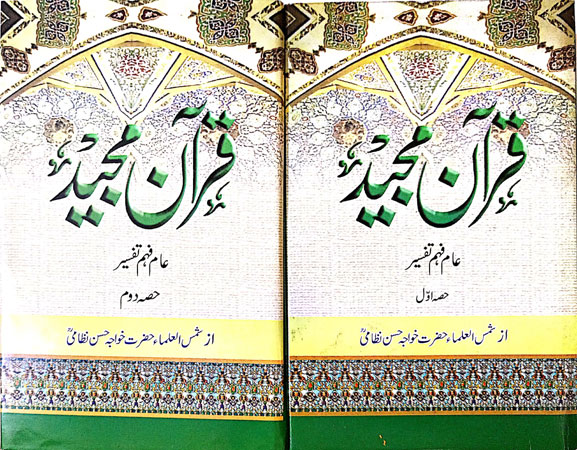
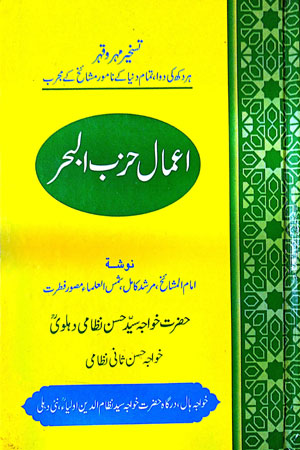

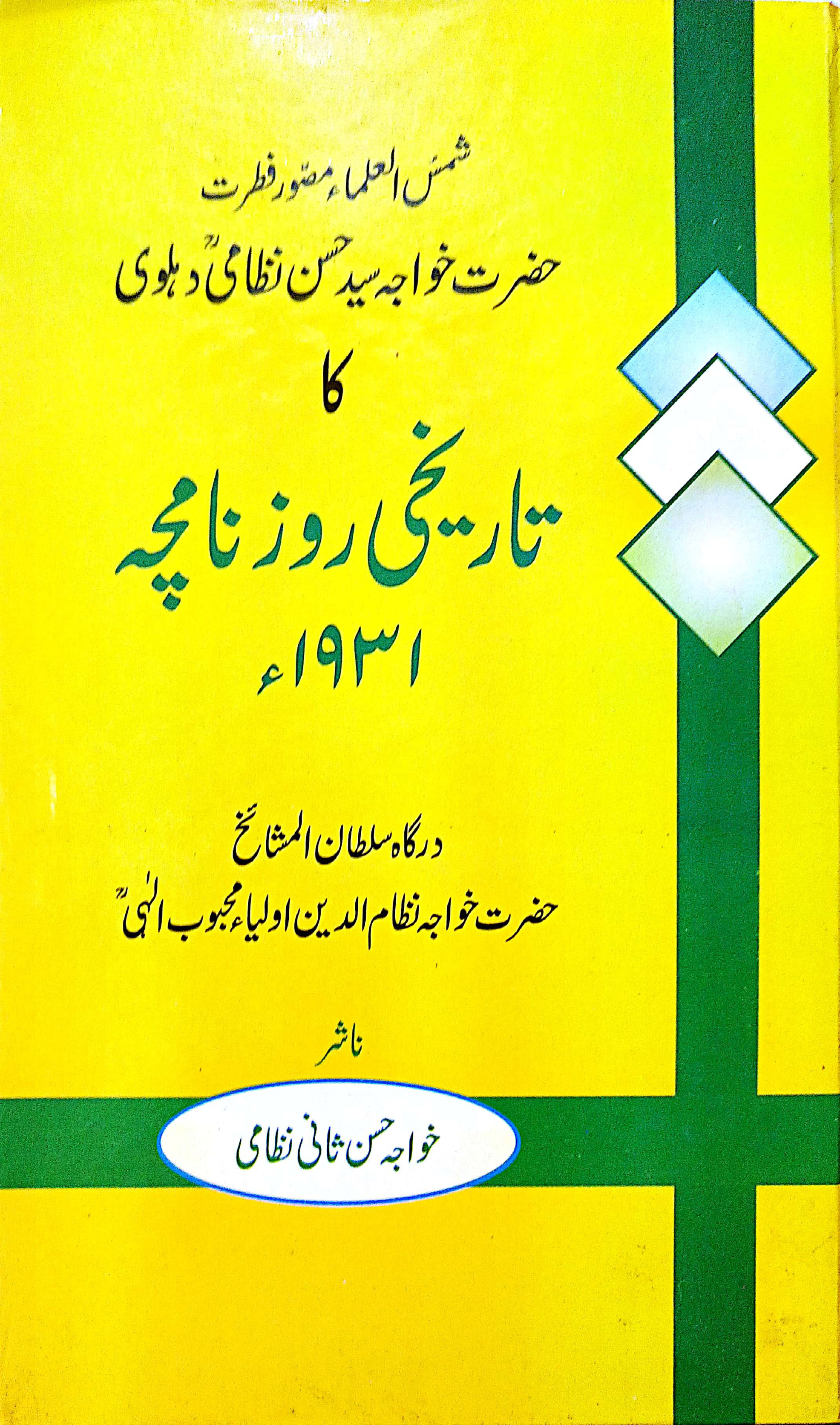
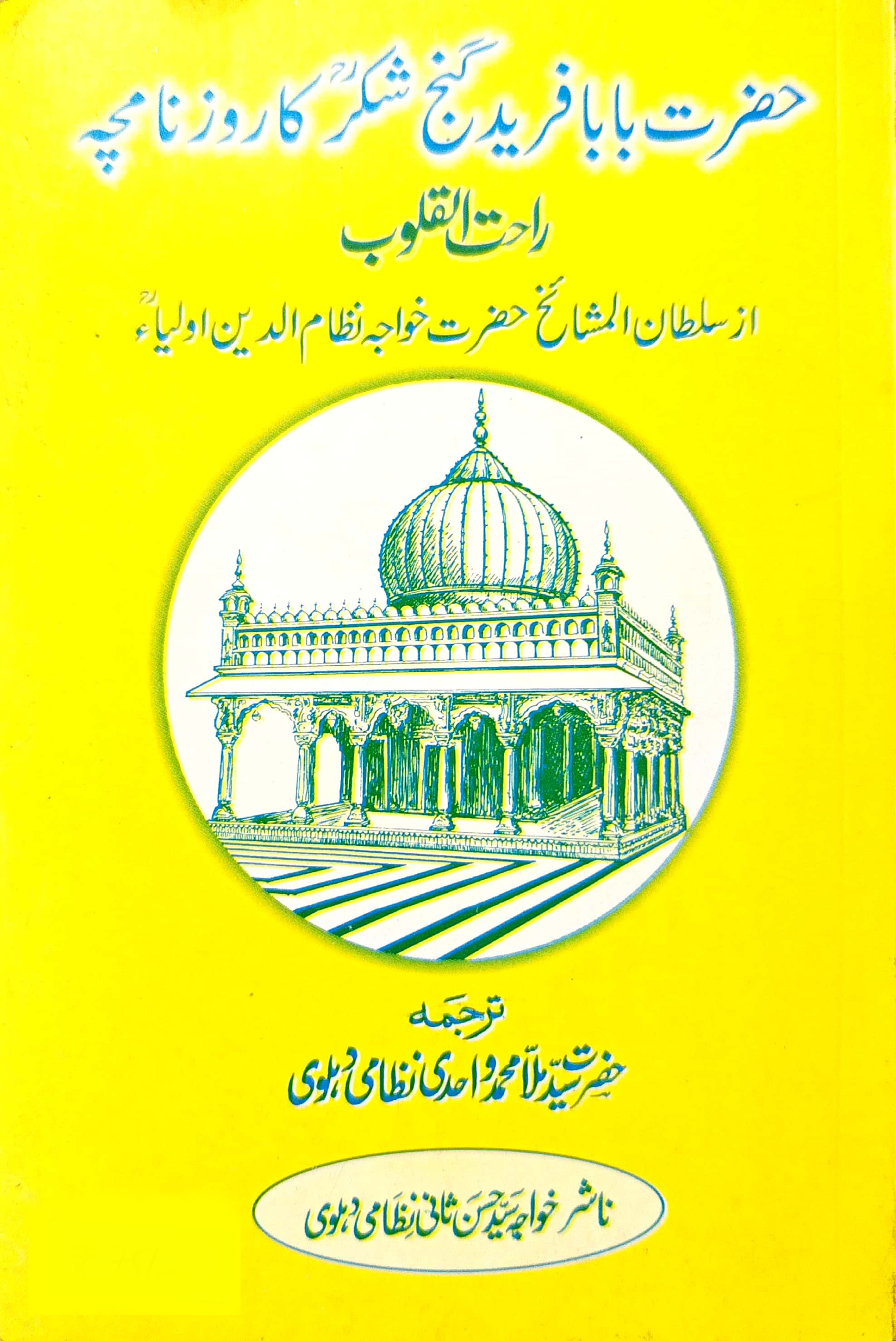
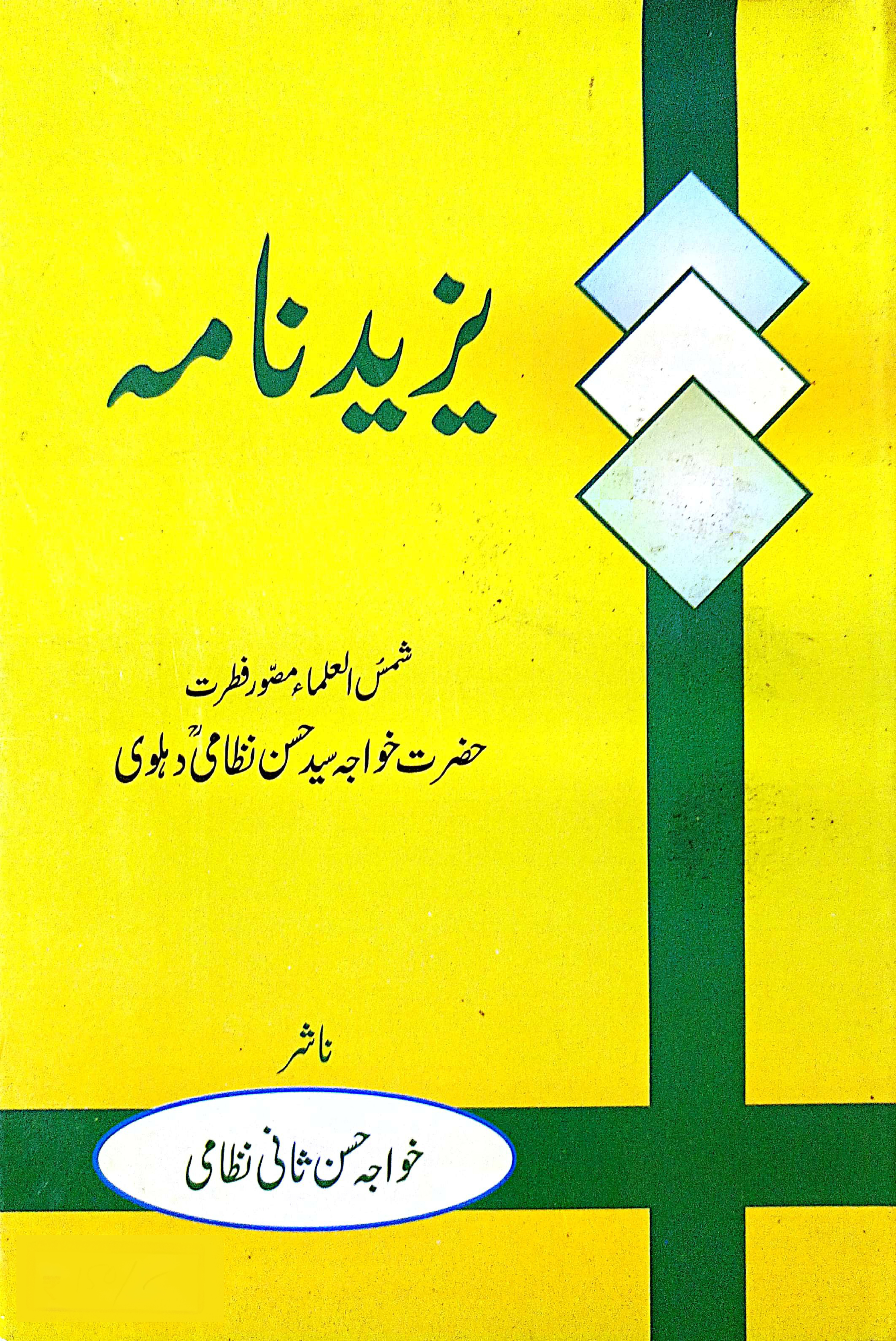
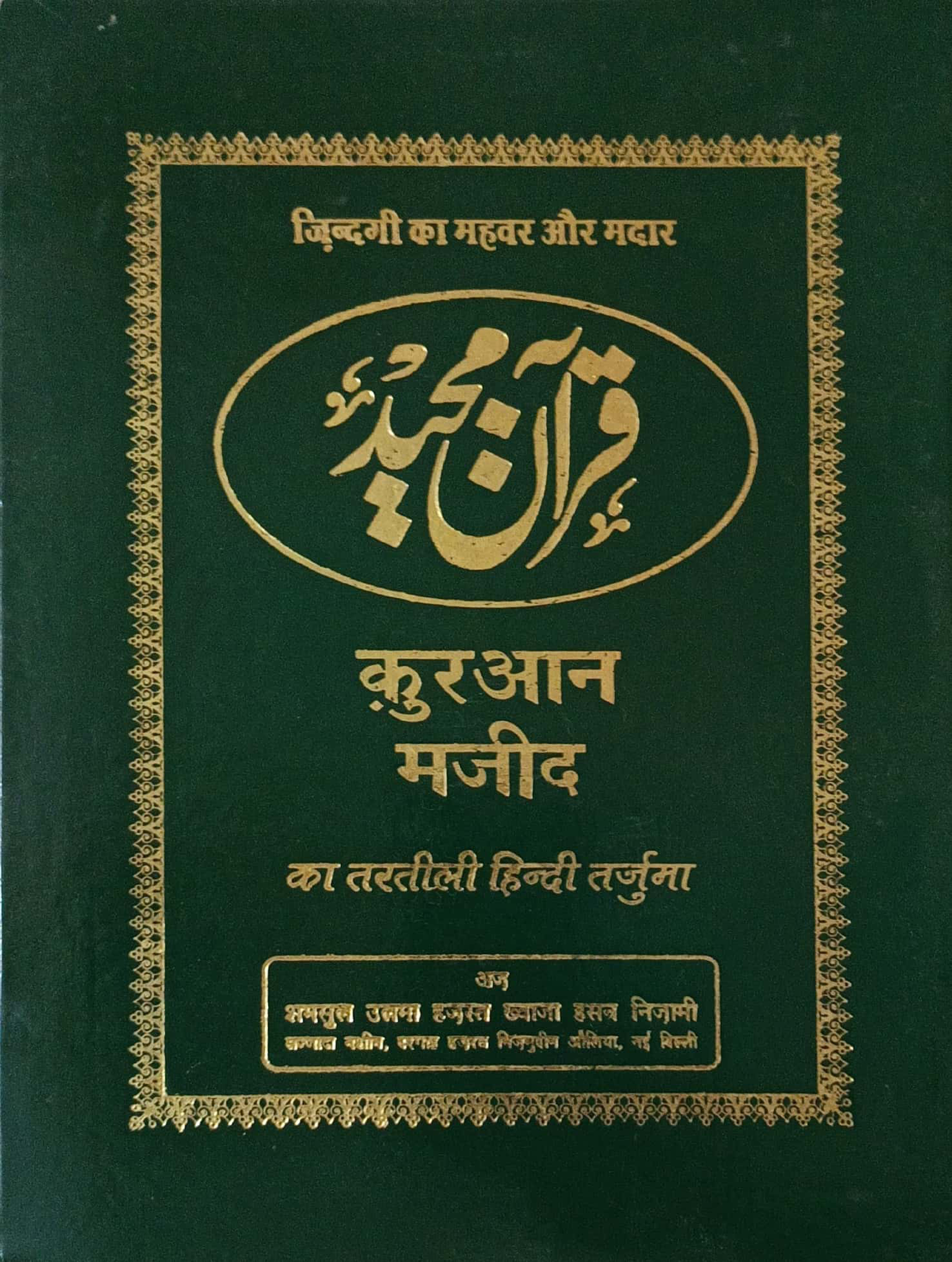
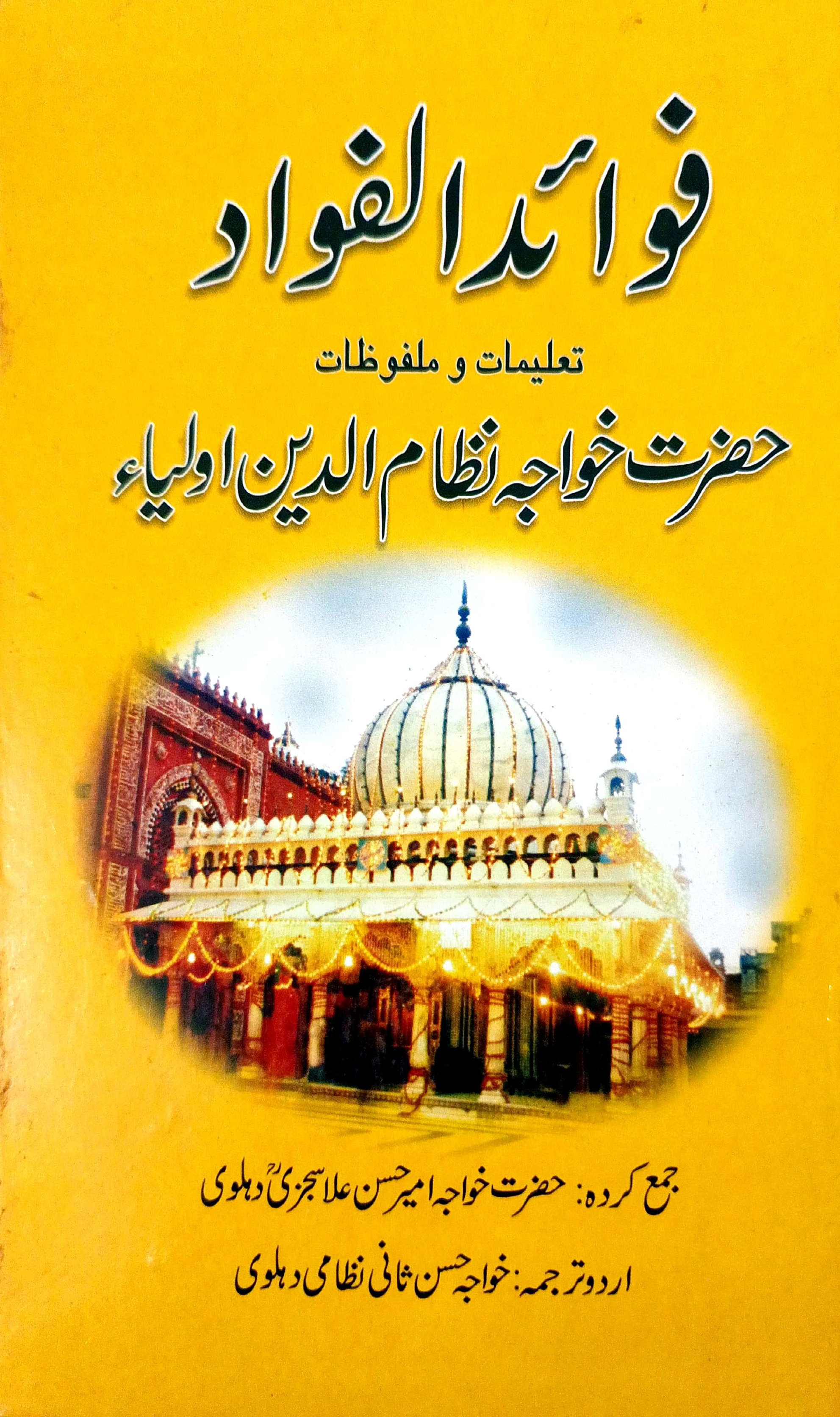
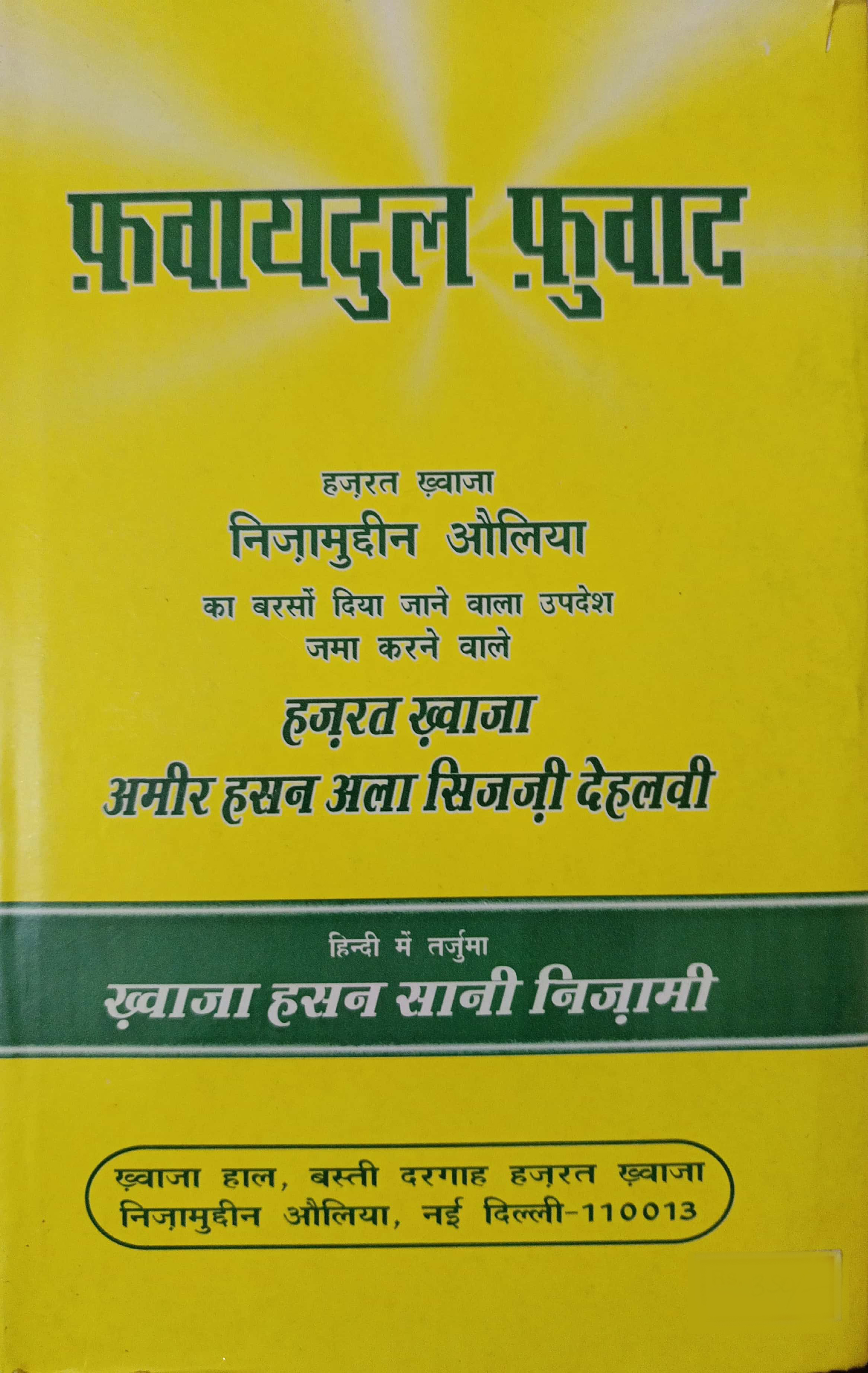
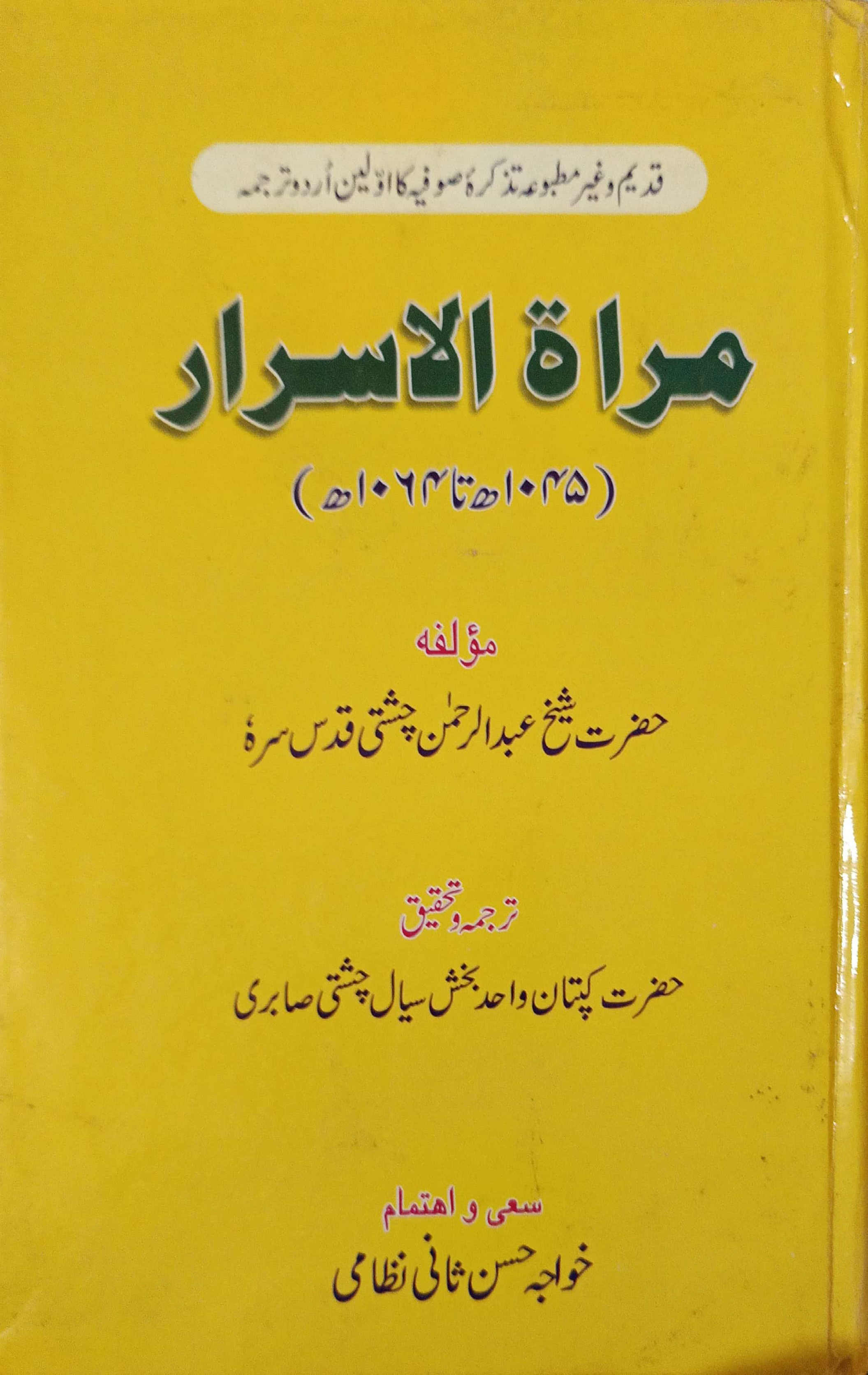
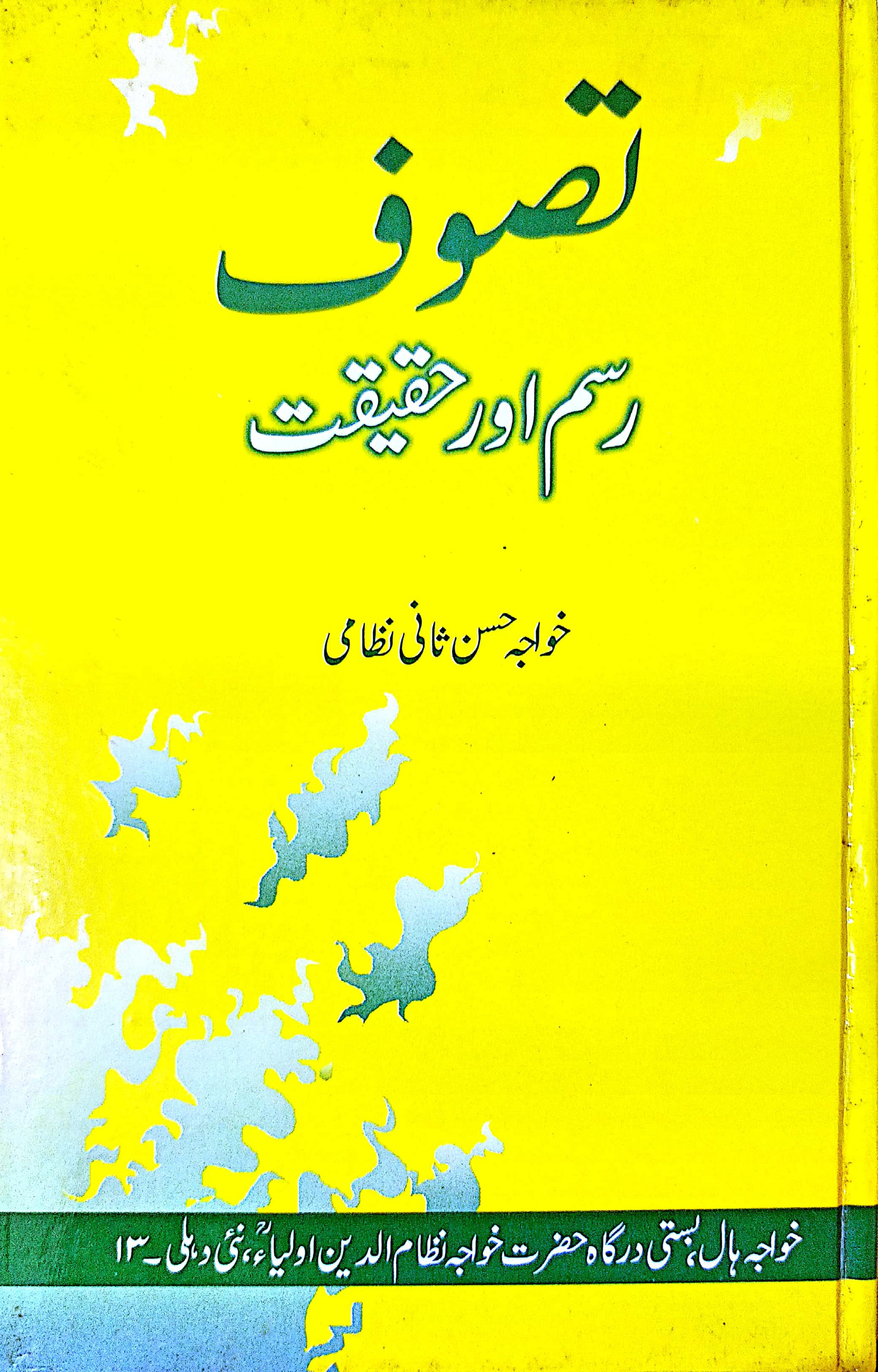
Work on Sufism
Khwaja Hasan Nizami actively promoted interfaith harmony between Muslims and Hindus in the early 20th century. He countered Arya Samaj critiques, such as those by Lala Lajpat Rai questioning Krishna's authorship of the Bhagavad Gita, by advocating direct study of Indian sources over colonial distortions and stressing Krishna's role in binding Indian civilization. Nizami's dual approach integrated Sufi tolerance with missionary activism, using interfaith writings to build bridges—such as emphasizing ethical overlaps—while strategically promoting Islam's superiority to prevent communal erosion amid rising Hindu nationalist proselytization. These efforts, rooted in his role as sajjada nashin at Nizamuddin Dargah, reflected a pragmatic response to intercommunal tensions, prioritizing both dialogue for coexistence and tabligh to safeguard Muslim demographics.
Indian Fight for Freedom
Nizami's political engagement extended to public advocacy for composite nationalism, emphasizing mutual religious tolerance as a foundation for Indian independence.
Save Cow from Slaughting
He issued public appeals urging Indian Muslims to abstain from cow slaughter during Hindu festivals, aiming to foster Hindu-Muslim unity essential for the broader anti-colonial struggle.
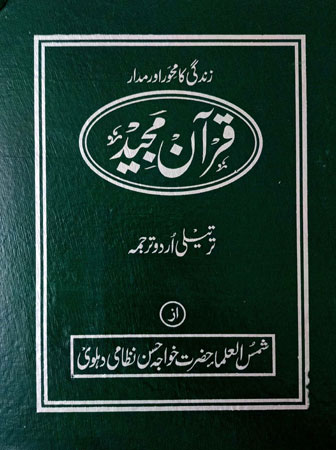
First translation of Quran Majeed
Khwaja Sahab has done a remarkable work in translating Quran Majeed in Hindi
Participation in Khilafat Movement
Khwaja Hasan Nizami actively participated in the Khilafat Movement from 1919 to 1924, a pan-Islamic campaign that allied with the Indian National Congress's Non-Cooperation Movement to press for self-rule (swaraj) and the preservation of the Ottoman Caliphate.
Interfaith Dialogues
Khwaja Hasan Nizami actively promoted interfaith harmony between Muslims and Hindus in the early 20th century, in his book "Krishn Beeti", Nizami described the birth of Krishna as the "Dawn of Truth" (Sachchai Ka Sawera)
Tabligh Efforts
Nizami led tabligh (Islamic propagation) efforts as a primary activist in the 1920s, focusing on countering the Arya Samaj's shuddhi campaigns. Hindu Madhhab ki Ma‘lumat (1923) and Tablighi Isharaton ka Majmu’a (1926), combined assertive defense of Islam with comparative analyses that highlighted doctrinal similarities to attract potential converts while critiquing Hindu polytheism.
Testimonials
For More testimonials Click Here
My beloved Dadapeer, Khawaja Hasan Nizami (RA) had a profound influence on my Nana, Hajee Adul Majeed Khan Nizami (RA) who was born in Rander, India and emigrated to Durban, South Africa in the early 1900’s.
My Nana Hajee Adul Majeed Khan Nizami (RA) had corresponded with My Dada peer via letters and had become his mureed. Khawaja Hasan Nizami (RA) had a profound influence on my Nana that he started an Islamic Bookshop in South Africa in the early 1900’s upon the advice of my Dada Peer
This had a profound impact on taleem in the southern hemisphere as people from sub Saharan Africa used to come to Durban (Tac Company) to get their Islamic books.
My Nana was called Alif Khan Nizami as Dadapeer had granted him khilaafat and this was done via the pen in a letter by post.
As a your lad of 10 or 12 I was always awe struck by a photo of Khawaj Hasan Nizami (RA) in my Nan’s office that I would always admire it. Alhamdulillah in my early 20’s I became attached to the silsila.

Hafiz Fayyaz Mausam Nizami
Khalifa - Khwaja Hasan Nizami (Durban South Africa)
خواجہ حسن نظامی1873-1955 خواجہ حسن نظامی کی شخصیت عالم گیر تھی ایک صوفی کی حیثیت سے وہ دنیا بھر میں مشہور تھے۔تقریباً ایک لاکھ لوگ ان کے مرید تھے۔صوفی اسکالر اور مصنف کی حیثیت سے بھی ان کو جانا جاتا ہے۔ اپنی زندگی میں انہوں نے کم وبیش پانچ سوکتابیں تحریر فرمائیں۔ ان کی کتابوں کے مختلف ایڈیشن ہے۔ اردو میں انہیں مصور فطرت کہا جاتا ہے وہ صاحب طرز ادیب تھے۔1857سے متعلق ان کی بارہ کتابیں بہت مقبول ہوئیں۔ یہ کتابیں تاریخ کے طلبا و اساتذہ کے لیے بھی کار آمد ہیں۔ وہ بہت بڑے انشائیہ نگار تھے۔ ان کی کتاب سپارہ دل این سی آر ٹی اور یونیورسٹیوں کے نصاب میں شامل ہیں۔ انہوں نے ہندوستان کے مختلف علاقوں کے ساتھ بیرون ملک کا سفر بھی کیا۔ ان کے سفرنامے بھی بہت مقبول ہوئے۔ قرآن کا آسان اردو زبان میں ترجمہ کرکے شائع کیا جسے ترتیلی قرآن کہا جاتا ہے جس میں ایک عربی لفظ کا اردو میں ترجمہ دیا گیا۔ اس سے کم تعلیم یافتہ لوگوں کو قرآن فہمی میں بڑی آسانی ہوئی۔ ان کا ایک اہم کام منادی کے نام سے ایک رسالہ کا اجرا بھی ہے جو اب بھی جاری ہے۔

Dr. Aqil Ahmad
Secretary - Ghalib Academy
Contact
Shaafi Nizami (Sajjada Gadi Nasheeen)