
Khwaja Hasan Sani Nizami
He is a Writer
About Khwaja Hasan Sani Nizami
Khwaja Hasan Sani Nizami (15 May 1931 – 15 March 2015) was an influential Indian Sufi Shaykh, religious scholar, and litterateur of the Nizami branch of the Chishti Order, serving as the Sajjada Nashin (spiritual successor) of the revered Dargah of Hazrat Khwaja Nizamuddin Aulia in Delhi.
Born Khwaja Hasan Abu Talib Nizami into a distinguished lineage tracing back to the 34th generation from Hazrat Ali, the fourth caliph, he dedicated his life to promoting Sufi teachings, communal harmony, and interfaith dialogue, embodying the Ganga-Jamuni culture of India through his work as a bridge-builder between Hindu and Muslim communities.
He remained unmarried without children and passed away at age 83 in Basti Hazrat Nizamuddin after prolonged illness from diabetes and heart disease, leaving a global legacy of disciples (mureeds) spanning diverse faiths.
Nizami received his early religious education at home before graduating from Jamia Millia Islamia, amassing encyclopedic knowledge on topics ranging from Islamic sciences to the history of Delhi, where he was recognized as a leading authority on its architectural and cultural landmarks.
As a prolific writer and editor, he contributed hundreds of essays, articles, and radio talks on diverse subjects, republished numerous works of his father— the renowned Sufi Khwaja Hasan Nizami—including 12 volumes on the 1857 War of Independence, and continued editing the monthly magazine Munaadi from 1955 onward. His own publications, such as Power of the Noble Qur’an as the Spoken Word and Sufism: Myth and Reality, underscored his commitment to Sufi mysticism and humanism, while he championed peace, tolerance, and conflict transformation in line with the teachings of Nizamuddin Aulia.
Throughout his career, Nizami held prominent roles in cultural and religious institutions, including chairmanship of the Ghalib Academy, membership in the United Nations Religious Initiative, and founding involvement in the All India Sufi Conference. He represented India at international forums like the UN-sponsored All Religions Conference and the Millennium World Peace Summit, delivering extension lectures at universities worldwide and emphasizing religion's role against intolerance and violence. In recognition of his efforts to foster Hindu-Muslim unity and secular credentials, he received the Government of India's "Delhi Gaurav" Award during Atal Bihari Vajpayee's tenure as Prime Minister. Nizami's funeral prayer, held twice as per his wishes at the Dargah, drew tributes from literary, religious, and milli organizations, and he was buried beside his father in the Khwaja Hall, with his spiritual legacy carried forward by successors Khwaja Syed Mohammad Nizami.
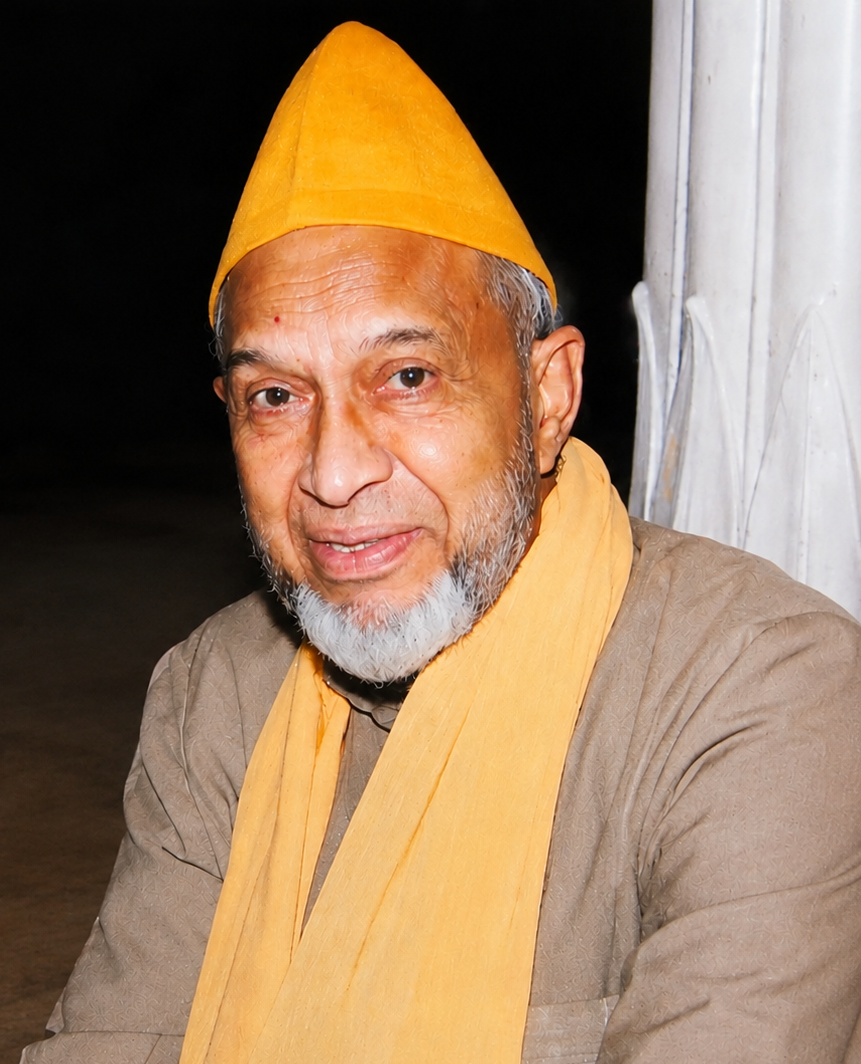
A Sufi Saint & Writer
- Born: 15th May 1931 / 2 Moharram 1295 AH
- URS: 15th March 2015 / 10 Zilhajj 1374 AH
- Peer-O-Murshid: Khwaja Hasan Nizami
- Janasheen: Hazrat Syed Mohammad Nizami
- Resting Place: Dargah Khawaja Hall, Delhi
- Title: Delhi Gaurav, Humrang-e-Mahboob-e-ilahi
Life of Khwaja Hasan Sani Nizami
“Humrang-e-Mahboob-e-Ilahi”
“one who shares the spiritual colour of the Beloved of Allah”—was a title bestowed upon Khwaja Hasan Sani Nizami, reflecting the deep spiritual resemblance & embody with Hazrat Nizamuddin Auliya. He dedicated his life to following the path of Hazrat Nizamuddin Auliya, guided by his teachings, spiritual traditions, and blessings. Like Hazrat Nizamuddin Auliya, he observed a life of Brahmacharya(celibacy), renouncing worldly attachments and devoting himself entirely to spiritual discipline and the service of humanity. Through his life, teachings, and devotion, he sought to guide people towards the true path of Allah, spreading the message of love, spirituality, compassion, and Sufism.
Born on Nizami Faimly
On 15th May 1930 / 2 Moharram 1295 AH
His birth name was Khwaja Hasan Abu Talib Nizami. He was raised in Basti Hazrat Nizamuddin, New Delhi, within the familial lineage associated with the shrine of Hazrat Nizamuddin Auliya, immersing him from an early age in its spiritual and cultural milieu.
Khwaja Hasan Sani Nizami was born into a prominent Sufi family renowned for its longstanding custodianship of the Hazrat Nizamuddin Auliya Dargah in Delhi. He was the son of Khwaja Hasan Nizami (1878–1955), a celebrated Sufi saint, scholar, Urdu essayist, and the preceding Sajjadanasheen (spiritual successor and caretaker) of the shrine, whose works on Indian history and interfaith harmony influenced his son's path. The family traces its spiritual heritage through the 34th generation to Hazrat Ali, the fourth caliph and son-in-law of Prophet Muhammad, underscoring their Sayyid descent and deep roots in Islamic mysticism.
The Nizami family belongs to the Nizami branch of the Chishti Order, a major Sufi silsila (lineage) named after Hazrat Nizamuddin Auliya (d. 1325), which emphasizes love, tolerance, and devotion through practices like sama (spiritual music). This branch has maintained hereditary oversight of the dargah since the 13th century, preserving Chishti traditions amid historical upheavals.
Khwaja Hasan Sani Nizami had Seven siblings: Four brothers (all deceased by 2015) and Three sister. Begum Kausar Nizami (Sister), who resided in Pakistan after independence.
Upon his passing in 2015, Khwaja Hasan Sani Nizami was succeeded as Sajjadanasheen by his nephew, Khwaja Syed Mohammad Nizami, son of Syed Mahdi Nizami, continuing the familial mantle of spiritual leadership at the dargah.
Education
Master of Quran and Hadis
1955 - 1960
Jamia Millia Islamia
Khwaja Hasan Sani Nizami received his primary education at home in a traditional Islamic scholarly environment, where he was immersed in religious and classical learning from an early age. He later pursued higher education at Jamia Millia Islamia in New Delhi, from which he graduated, building on his foundational knowledge with studies that emphasized Urdu literature and Islamic studies. Through his academic pursuits, Nizami developed an extensive expertise in Delhi's history, culture, and civic lineage, earning him the moniker "Encyclopedia of Delhi" among contemporaries who recognized his profound scholarly depth on the subject.
As a scion of the Nizami family—the hereditary custodians (sajjada nashins) of the dargah—he experienced early immersion in the rituals and ethos of the Chishti Order's Nizami branch, with the shrine serving as both home and spiritual cradle from infancy. This intimate familial and locational proximity fostered his initial encounters with Sufi practices, including dhikr (remembrance of God) and sama (spiritual listening), embedding the order's emphasis on love, humility, and devotion in his formative years.
His foundational exposure to tasawwuf—the mystical core of Islam blending ritual observance with inner spiritual realization—occurred through paternal family teachings and the pervasive shrine atmosphere. As the son of the eminent Chishti Sufi scholar and shrine custodian Khwaja Hasan Nizami (1878–1955), he absorbed guidance on Sufi principles from close kin steeped in the tradition, amid the dargah's daily confluence of pilgrims, scholars, and mystics who exemplified tasawwuf in action. While pursuing formal academic studies at Jamia Millia Islamia, these informal spiritual influences predominated, shaping his worldview beyond structured learning.
A pivotal element of his early spiritual development was his growing fondness for Qawwali, the ecstatic devotional music integral to Chishti expression, which he encountered amid the shrine's routine mehfil gatherings. Nurtured in this auditory landscape of poetic invocation and rhythmic praise, Nizami's affinity for Qawwali deepened into a lifelong commitment.
Nizamia Silsila
Khilafat
Year:
Murshid : Khwaja Hasan Nizami
- His initiation occurred under the guidance of Khwaja Hasan Nizami (d. 1955), a revered Chishti Saint from the Sabiri-Nizami lineage & his Father, whom Nizami accepted as his first spiritual master (murshid).
- As a spiritual successor (sajjadanasheen) in the Nizami family lineage connected to Khwaja Nizamuddin Auliya, Nizami upheld the order's core principles of inner purification and ethical living, guiding adherents through personal mentorship and communal gatherings at the Hazrat Nizamuddin Dargah in Delhi. His leadership focused on preserving the Chishti emphasis on humility and service to humanity, ensuring the order's doctrines remained accessible and relevant in contemporary contexts without diluting their mystical essence.
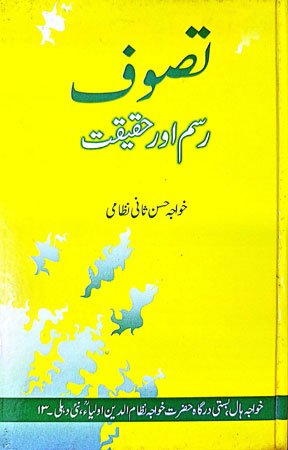
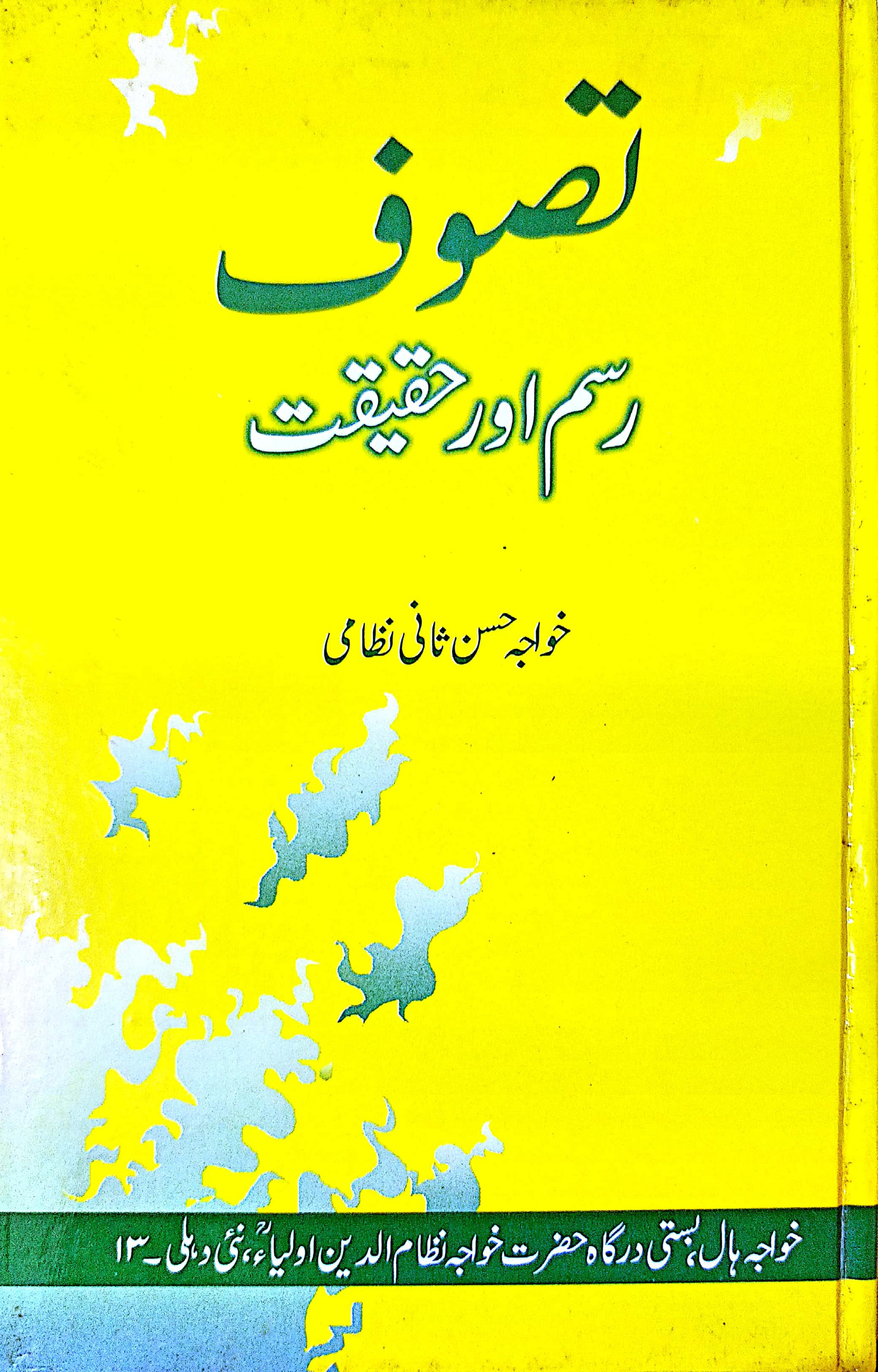
- To sustain the intellectual heritage of the Chishti tradition, Nizami actively republished key historical texts that encapsulate the order's teachings, including works on Sufi mysticism and practice. He also authored publications such as Tasawwuf (Rasm Aur Haqeeqat), which delineates the rituals and realities of Sufi discipline within the Chishti framework, making these insights available to younger generations and scholars. Through such initiatives, he bridged classical Chishti scholarship with modern dissemination, countering the erosion of oral and textual traditions amid urbanization and secular influences.
- Nizami played a pivotal role in fostering the Chishti traditions of Sufi music (qawwali) and poetry by organizing annual events and mehfil gatherings at the Nizamuddin Dargah, which celebrated the devotional compositions of legendary figures like Amir Khusro, the 13th-century poet-musician closely associated with Khwaja Nizamuddin Auliya. These events, drawing thousands of participants, preserved the performative aspects of Chishti spirituality, where qawwali serves as a medium for ecstatic remembrance (zikr) and communal harmony, linking historical legacies to living practice. By integrating these cultural elements into the shrine's routine, Nizami ensured the continuity of Chishti expressive traditions as vital tools for spiritual awakening.
Shajra Nizamia Naseeriya
- Ilahi Bahurmat Murshid Azam Huzur Mohammad Rasool Allah ﷺ
- Imam-ul-Auliya Hazrat Ali Bin Abi Talib A.S.
- Sheikh-ul-Azam Hazrat Khwaja Hasan Basri R.A.
- Hazrat Khwaja Abdul Wahid Bin Zaid R.A.
- Hazrat Khwaja Fuzail Bin Ayaz R.A.
- Hazrat Sultan Ibrahim Adham Balkhi R.A.
- Hazrat Khwaja Sadiduddin Huzafatul Marashi R.A.
- Hazrat Khwaja Aminuddin Abi Hubairatul Basri R.A.
- Hazrat Khwaja Mumshad Alu Dainuri R.A.
- Hazrat Khwaja Abu Ishaq Shami Chisthi R.A.
- Hazrat Khwaja Abu Ahmed Chisthi R.A.
- Hazrat Khwaja Abu Mohammad Chishti R.A.
- Hazrat Khwaja Abu Yusuf Naasiruddin Chisthi R.A.
- Hazrat Khwaja Syed Qutabuddin Modud Chisthi R.A.
- Hazrat Khwaja Hazi Sharif Zindanni Chisthi R.A.
- Khwaja Azam Hazrat Khwaja Usman Harooni Chisthi R.A.
- Nayab Rasool Allah Fil-Hind Hazrat Khwaja Moinuddin Chisthi Ajmeri Garib Nawaz R.A.
- Hazrat Khwaja Qutabbuddin Bakhtiyar Kaki Chisthi R.A.
- Hazrat Khwaja Baba Fariduddin Masood Ganj-e-shakar Chisthi R.A.
- Sare Silsila Nizamia Mahboob-e-ilahi Hazrat Khwaja Syed Nizamuddin Mohammad Auliya Chisthi Dehlavi R.A.
- Hazrat Makhdoom Nasiruddin Mahmood Chirag Dehlavi R.A.
- Hazrat Sheikh Kamaluddin Ulama Chisthi Dehlavi R.A.
- Hazrat Sheikh Sirajuddin Chisthi R.A.
- Hazrat Sheikh Alamuddin Chisthi R.A.
- Hazrat Sheikh Mahmood urf Sheikh Rajan Chisthi R.A.
- Hazrat Khwaja Sheikh Jamaluddin urf Jumman Chisthi R.A.
- Hazrat Khwaja Hasan Mohammad Chisthi R.A.
- Hazrat Khwaja Sheikh Mohammad Chisthi R.A.
- Hazrat Khwaja Sheikh Yahiya Madani Chisthi R.A.
- Hazarat Khwaja Sheikh Kaleemullah Jahanaabadi Chisthi R.A.
- Hazrat Khwaja Nizamuddin Aurangabadi Chisthi R.A.
- Mujaddid-ul-Islam Hazrat Molana Mohammad Fakhruddin Chisthi Dehlavi R.A.
- Hazrat Qibla Alam Molana Noor Mohammad Maharavi Chisthi R.A.
- Imam-ul-Huda Hazrat Molana Shah Suleman Taunsvi Chisthi R.A.
- Noorul Awwaleen wal Akhireen Hazrat Molana Shamsuddin Sayalvi Chisthi R.A.
- Hajjatullah Fizamanul Hazir Hazrat Molana Peer Meher Ali Shah Chisthi R.A.
- Shamsul Ulama Imamul Mashaikh Hazrat Khwaja Syed Hasan Nizami R.A.
- Fakhr-e-Delhi va Fakhr-e-Hindusthan Humrang-e-Mehboob-e-Ilahi Hazrat Khwaja Syed Hasan Sani Nizami R.A.
- Fakhr-e-Delhi Dilruba-e-Shaheedane-Khwajgan Hazrat Khwaja Syed Mohammad Nizami R.A.
- Khakpaye Warisane Khwajgan Khwaja Syed Mohammad Shafi Nizami
Urdu
Hindi
Silsile ka Ruhani Uruj
Dargah Hazrat Nizamuddin Auliya
1931-2015
Sajadqa Nasheen
Khwaja Hasan Sani Nizami succeeded his father, Khwaja Hasan Nizami, as Sajjadanasheen of the Nizamuddin Auliya Dargah in 1955, inheriting the hereditary custodianship tied to their family's direct lineage from the Chishti saint. This position, rooted in the Nizami branch of the Chishti order, positioned him as the spiritual head responsible for perpetuating the shrine's traditions following his father's passing.
In his role, Nizami oversaw the shrine's core administrative and spiritual duties, including the coordination of daily rituals such as Fatiha recitations to honor the saint and ensure the site's ongoing sanctity. He managed visitor influxes, facilitating access for pilgrims and tourists while upholding the dargah's ethos of inclusivity and communal harmony, often delegating day-to-day operations to family members as he aged. Additionally, as Mutawalli-like manager, he maintained the physical and devotional integrity of the complex, safeguarding its role as a living center of Sufi practice.
A key aspect of his custodianship involved organizing regular Qawwali programs through Mehfil-e-Sama gatherings, which drew devotees to experience the ecstatic devotional music central to Chishti worship at the shrine. These sessions not only preserved the auditory heritage linked to Nizamuddin Auliya and his disciple Amir Khusrau but also reinforced the dargah's vibrant spiritual atmosphere under Nizami's guidance.
Khwaja Syed Mohammad Nizami
1978-2026
Janasheen, Khalifa & Nephew
- Khwaja Syed Mohammad Nizami, son of Syed Mehandi Nizami elder brother of Khwaja Hasan Sani Nizami.
- In his short span of life, he climb lots of stairs of Sprituality and become Murshid in Nizamia Silsila
- He spread this spritual mission of Nizamiya Silsila at higher peak. on the path of Khwaja Hasan Sani Nizami he also Organise Four annual Seminar (interfaith events ) at Khawaza Hall, that integrated Hindu and Muslim traditions, fostering communal harmony at a local level with global resonance. These drew from the family's historical practices of honoring shared cultural heritage and tolerance rooted in Sufi ethos.
- Delhi Government honour Khwaja Syed Mohammmad Nizami title of "Delhi Ratan".
Books
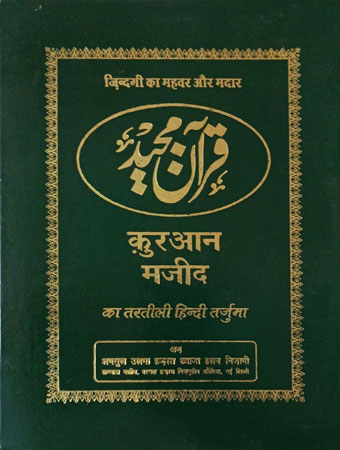
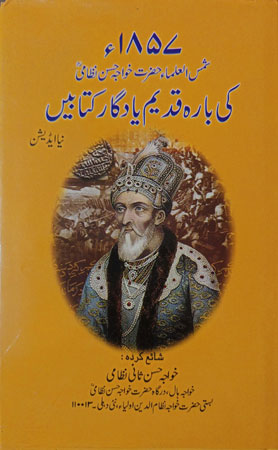
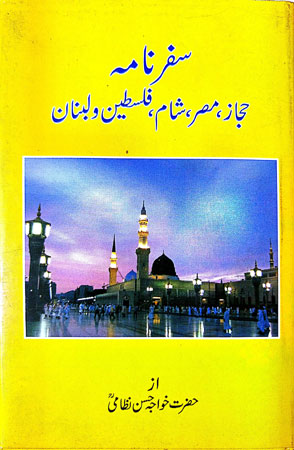
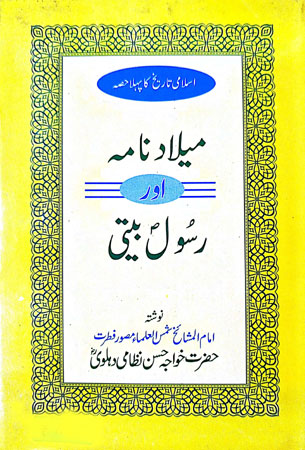
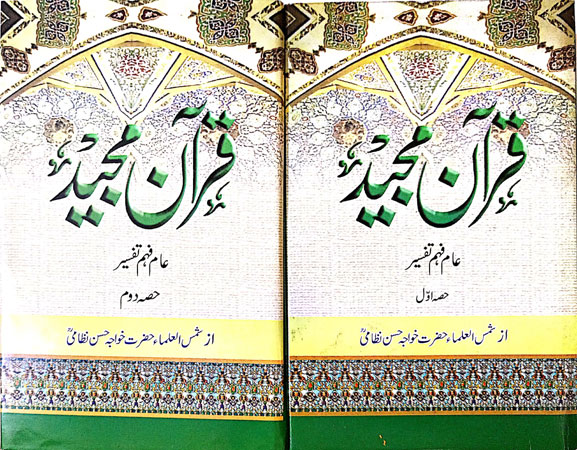
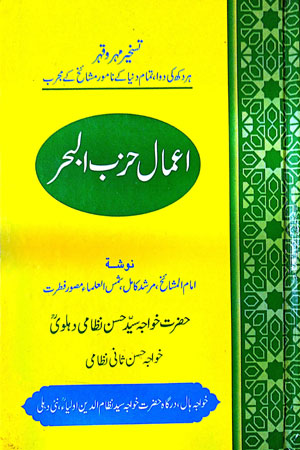
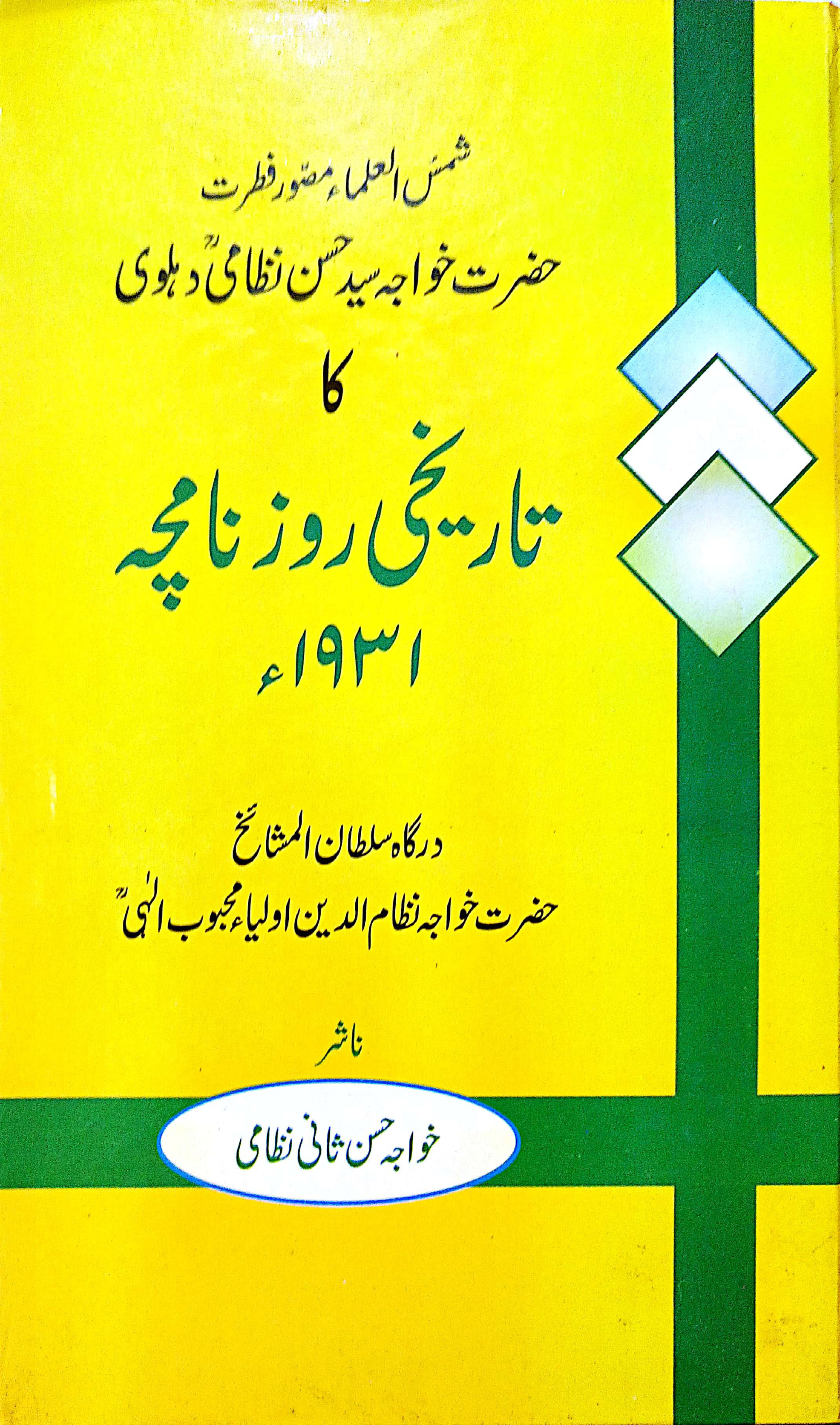
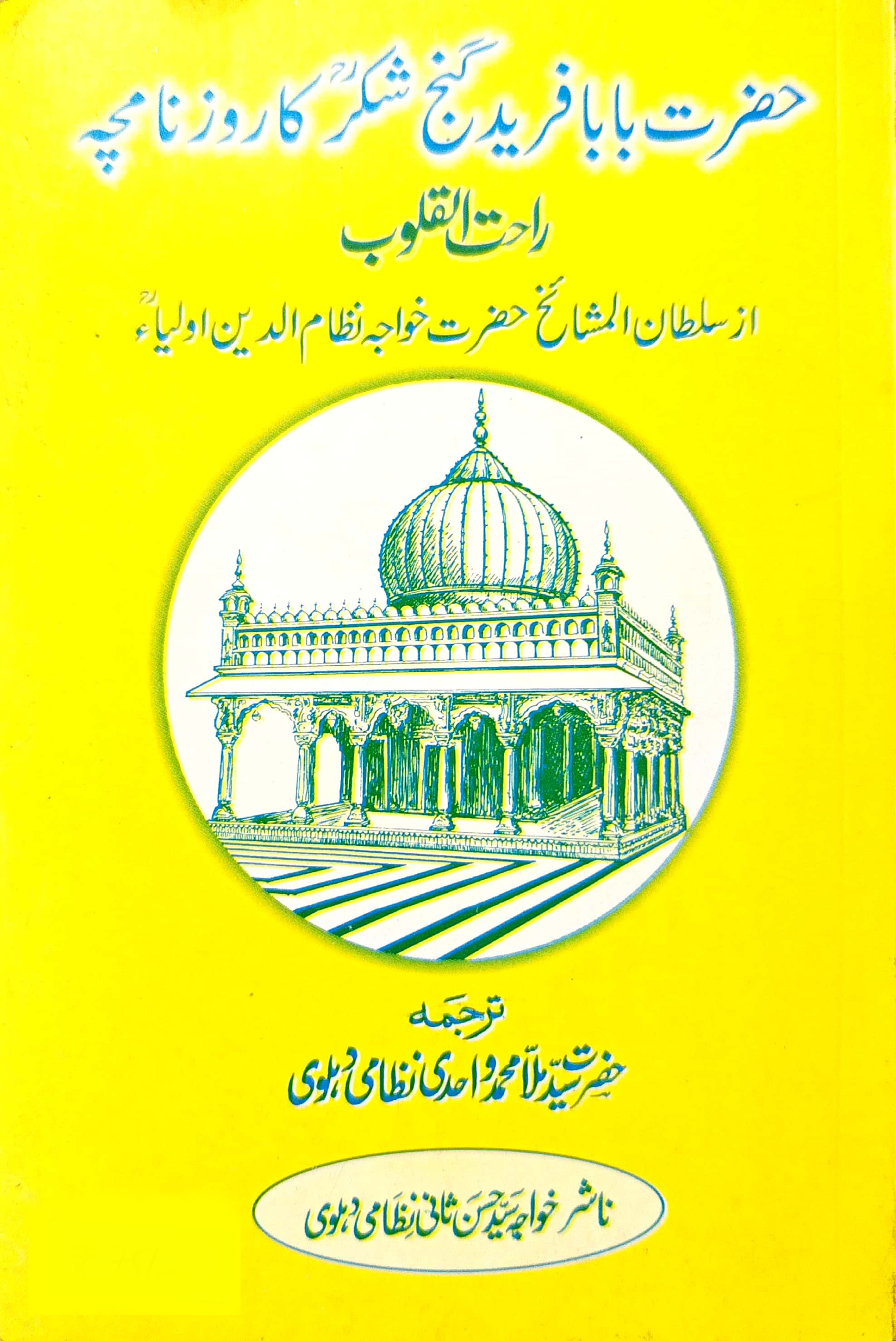
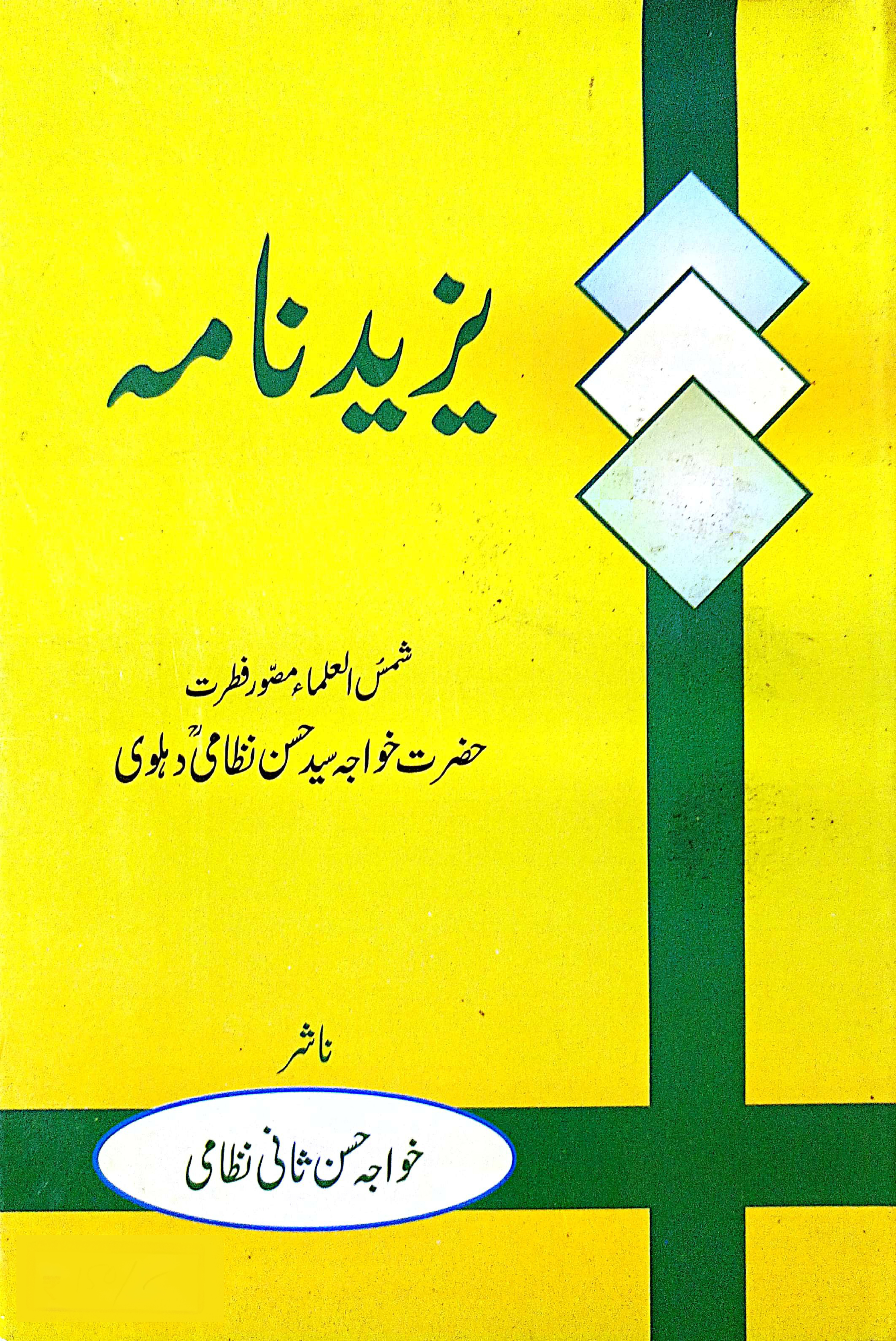
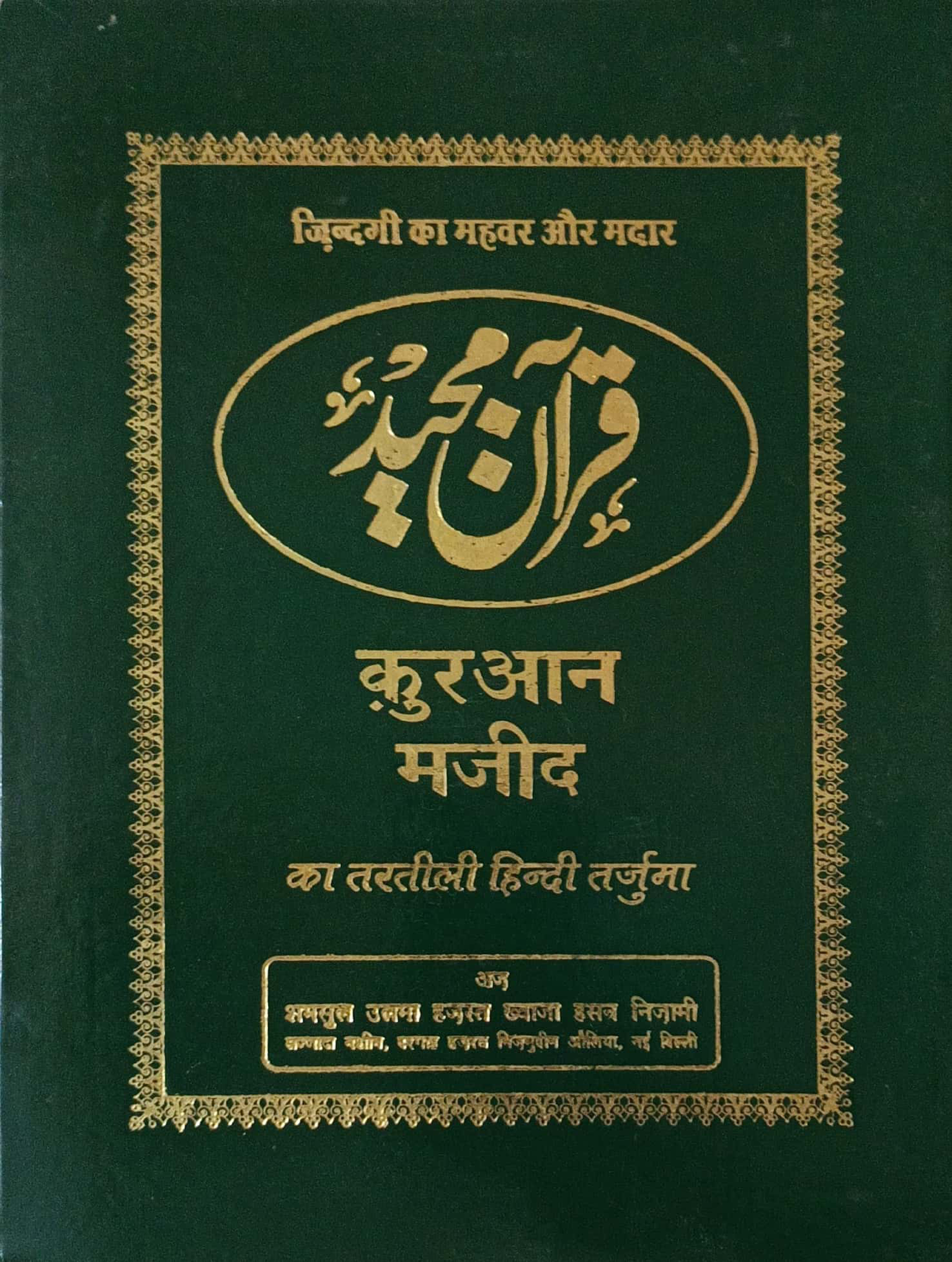
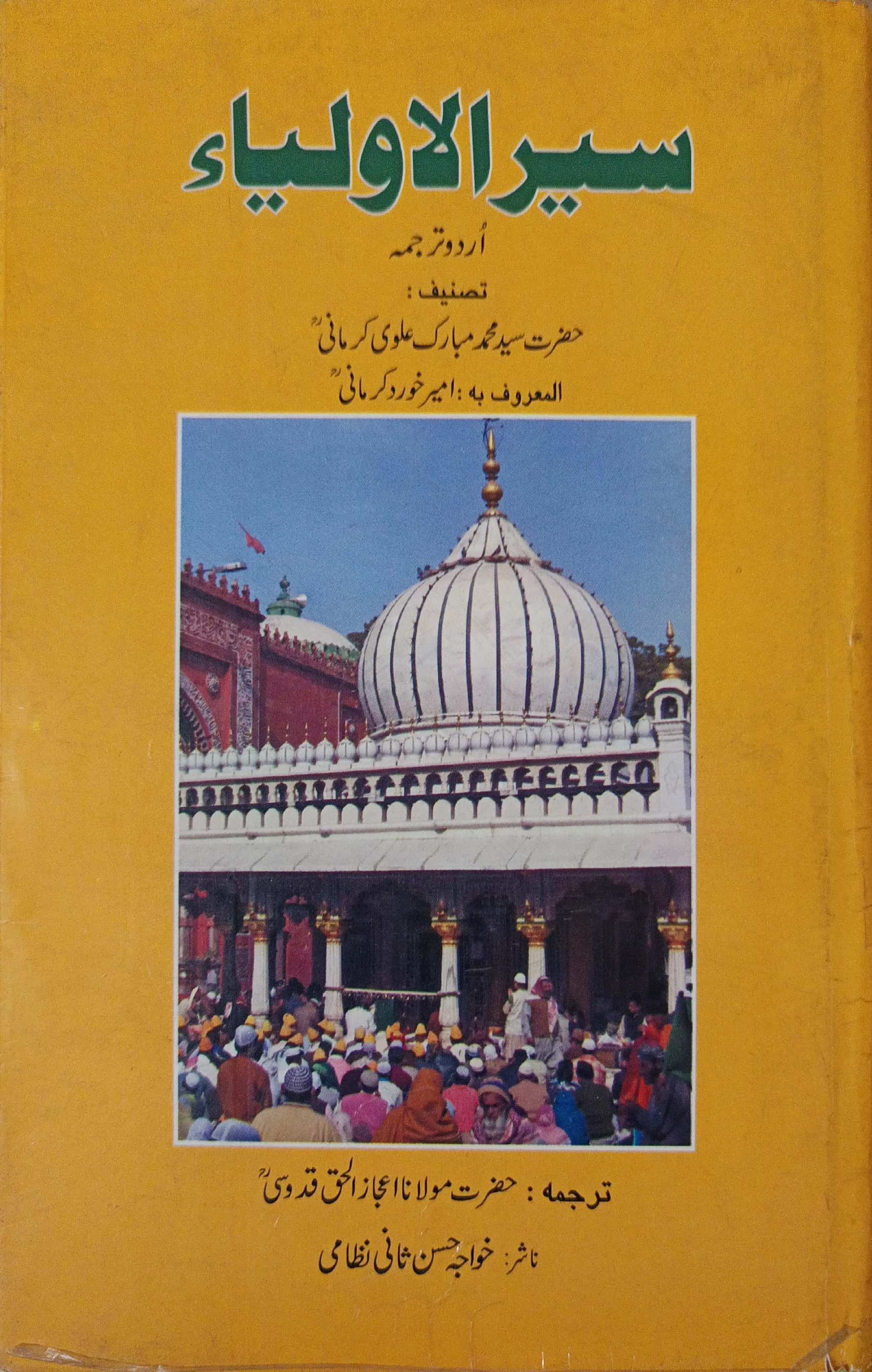
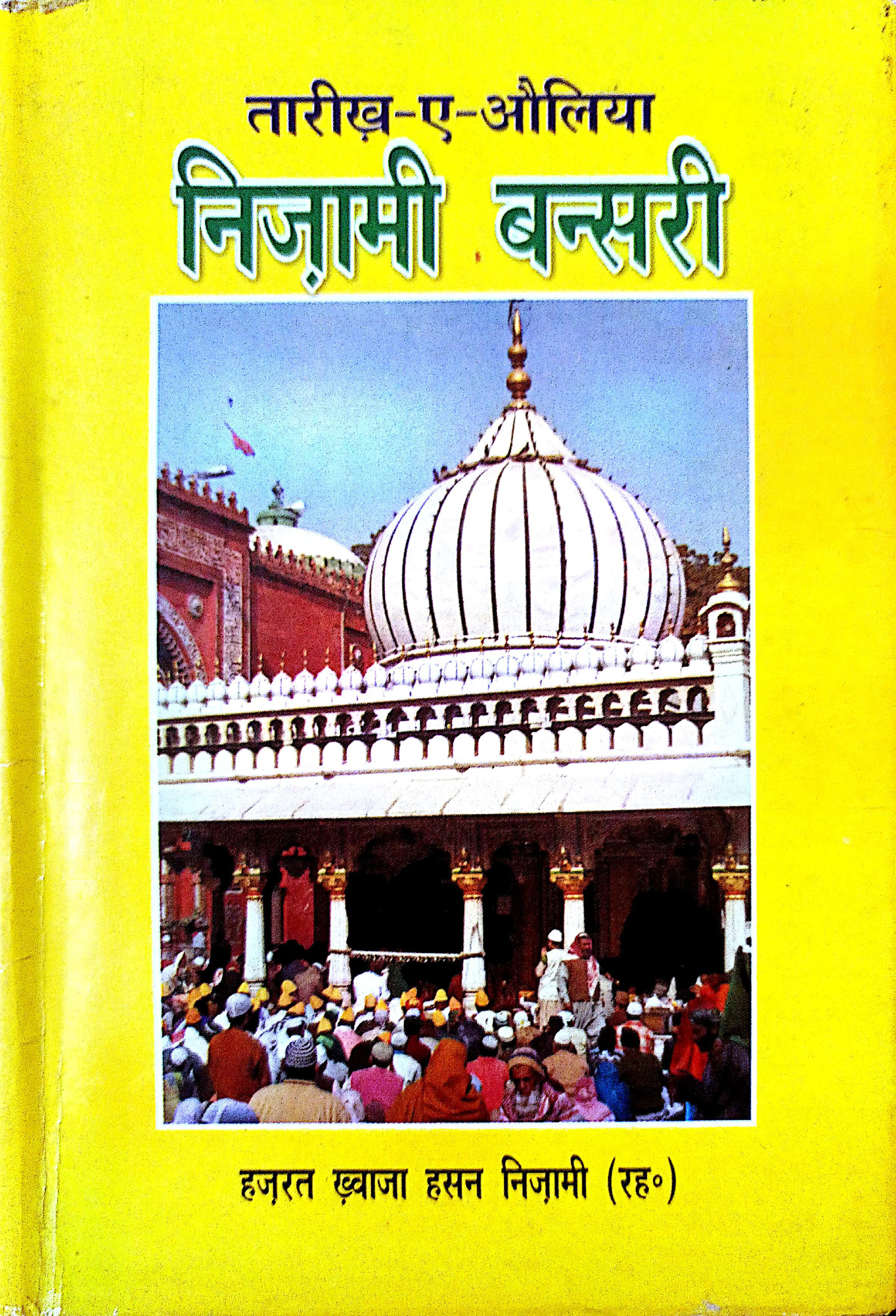
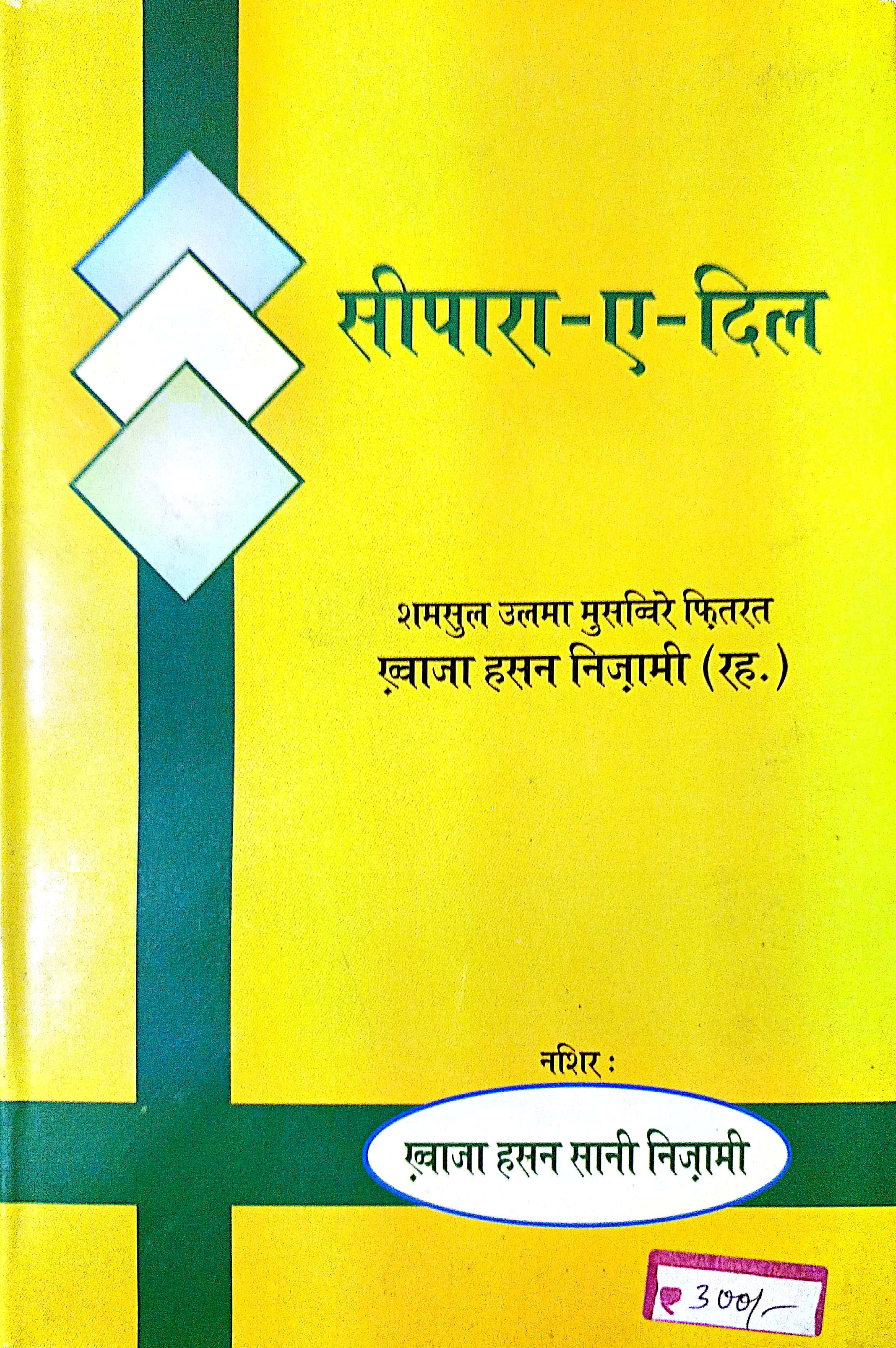
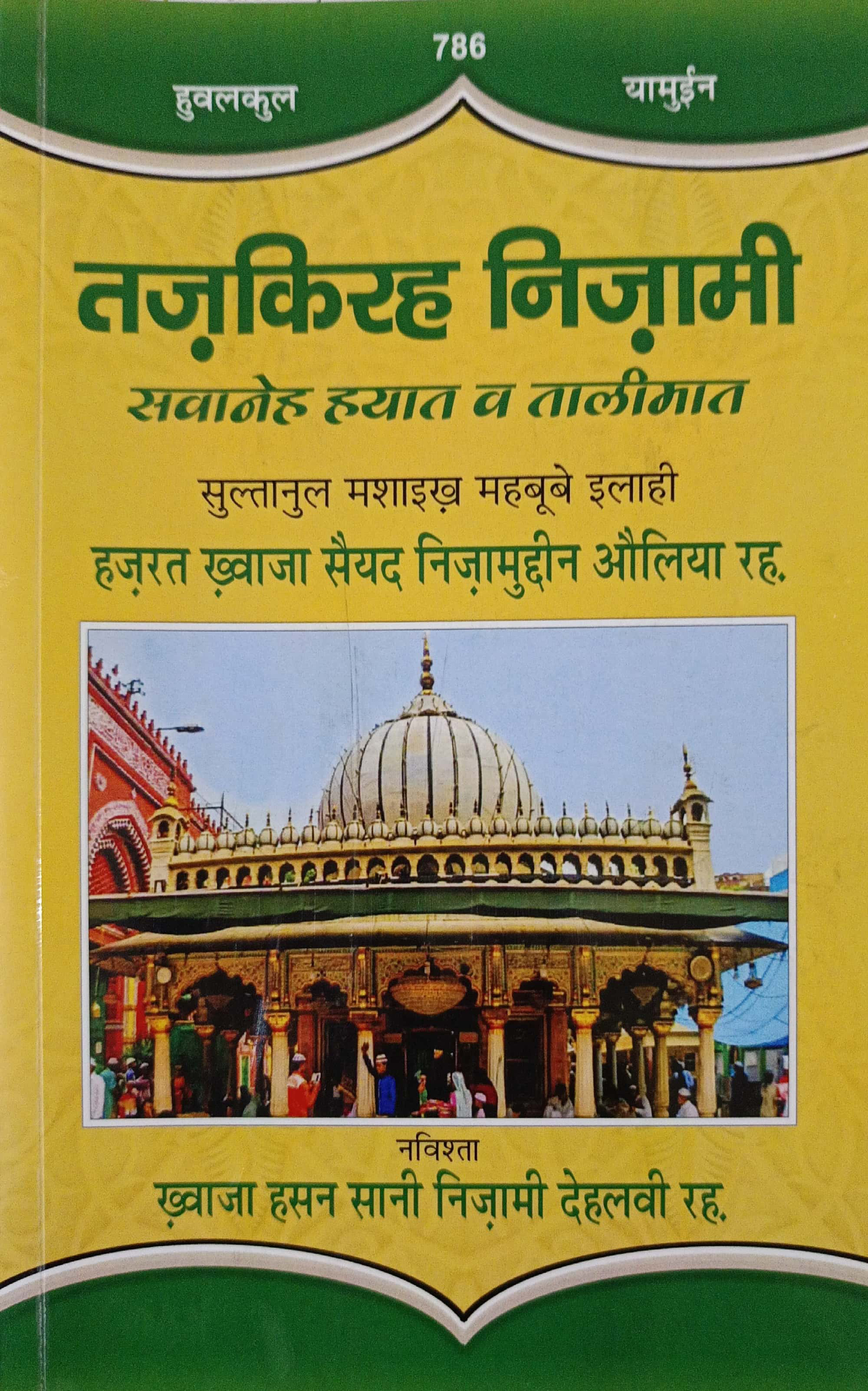
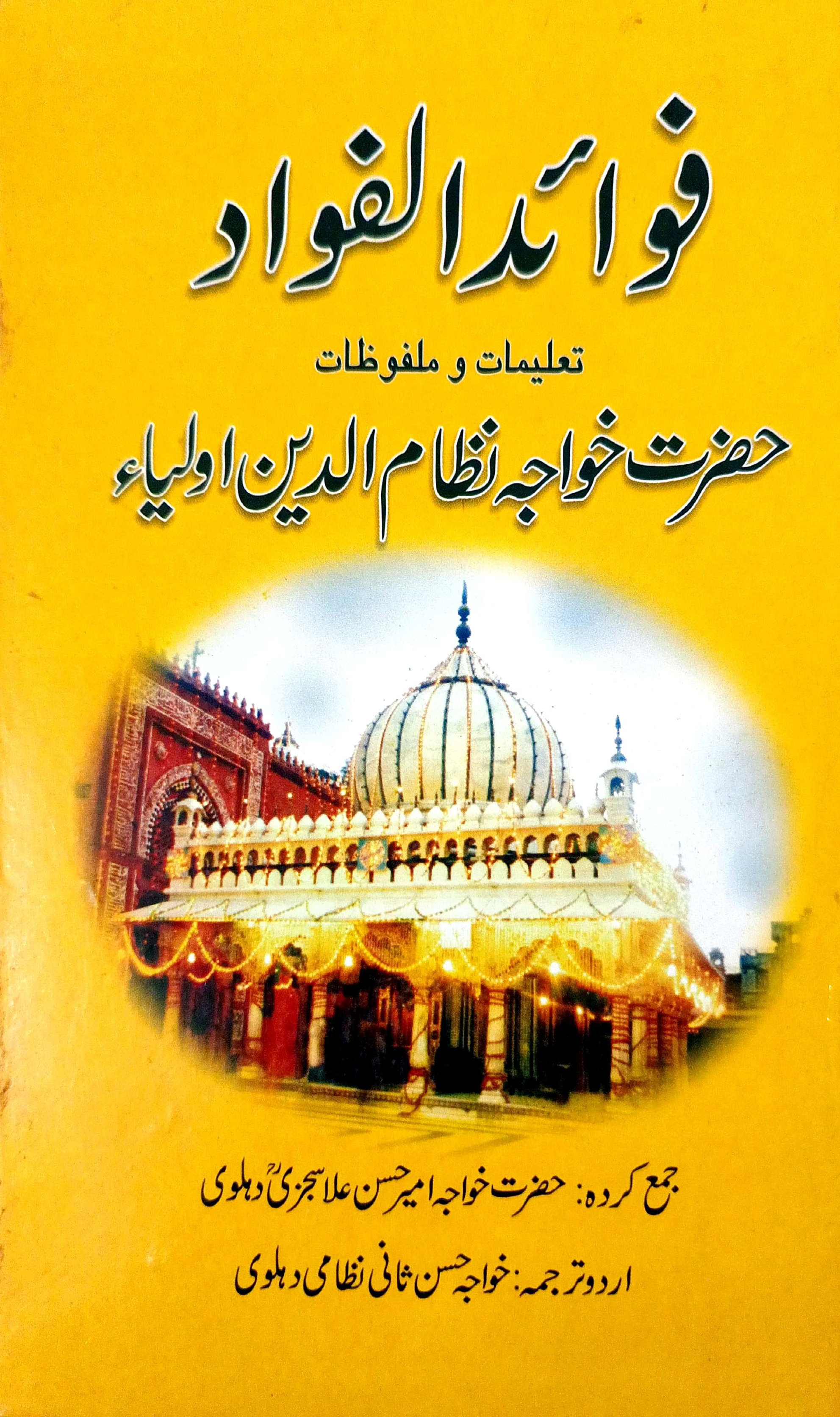
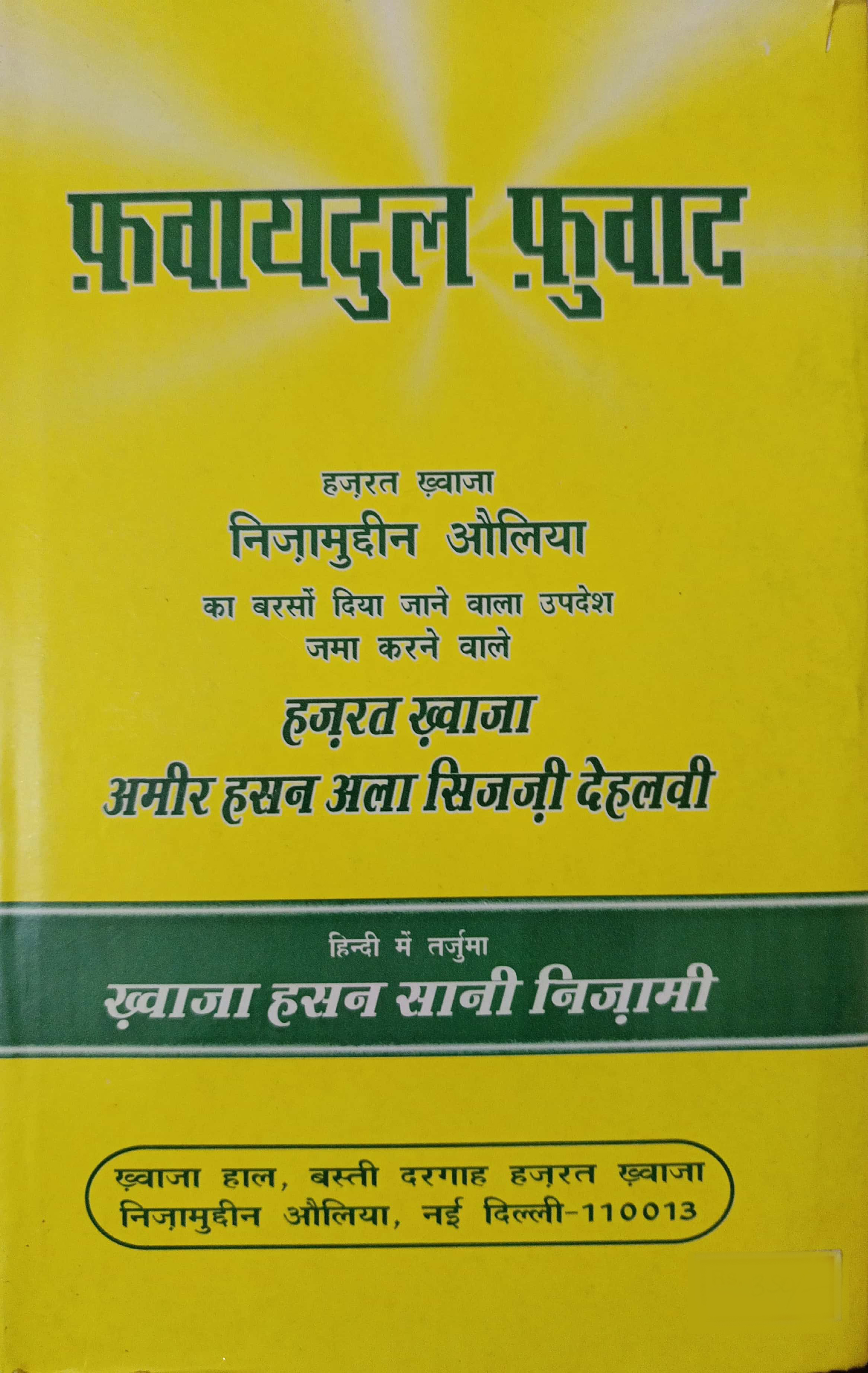
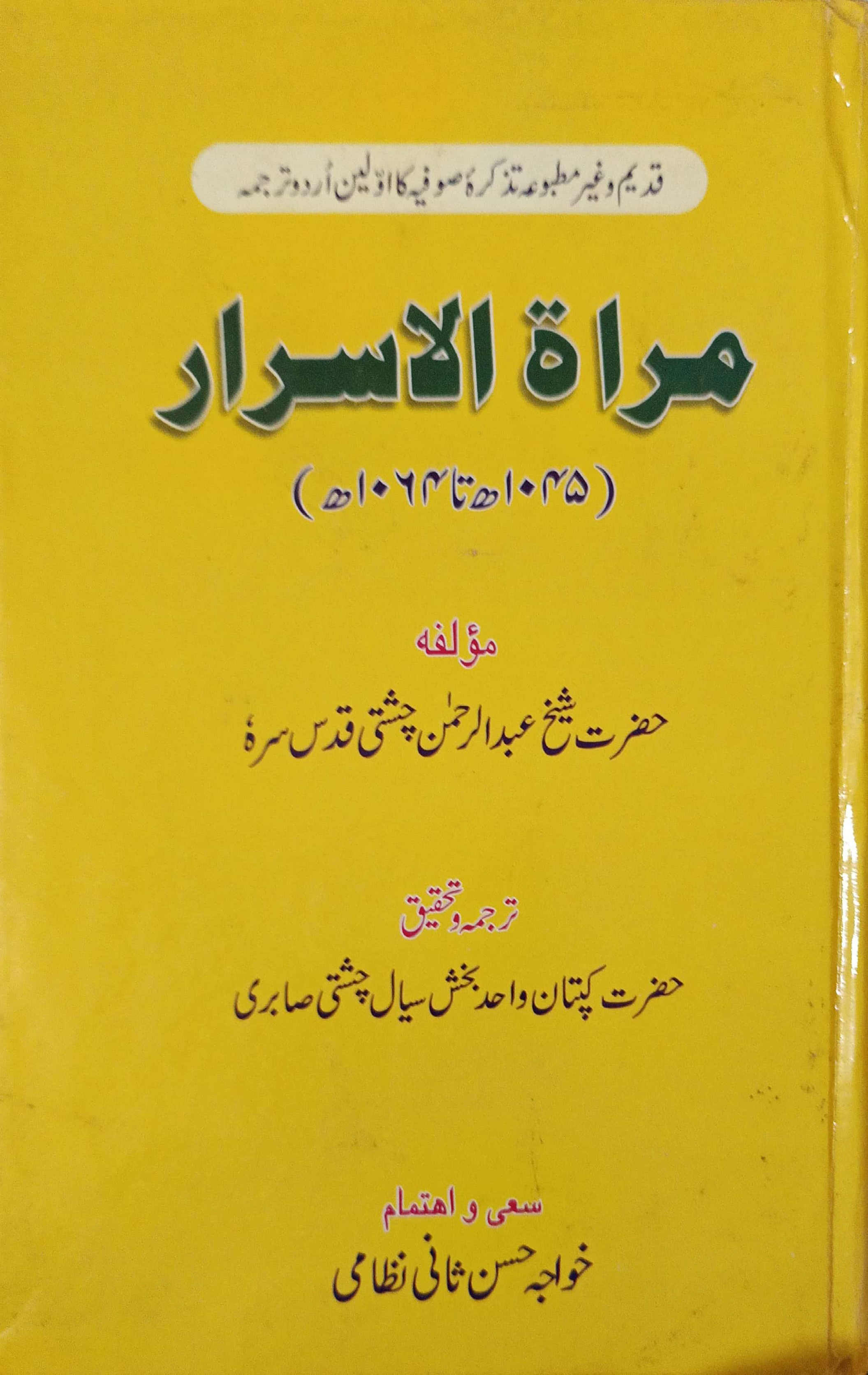
He contributed hundreds of essays, articles, and radio talks on diverse subjects, republished numerous works of his father— the renowned Sufi Khwaja Hasan Nizami—including 12 volumes on the 1857 War of Independence, and continued editing the monthly magazine Munaadi from 1955 onward.
- All
- Quran
- Historical
- Sufism
- General
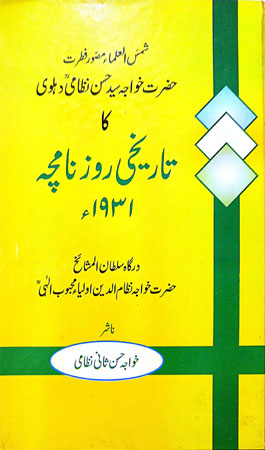
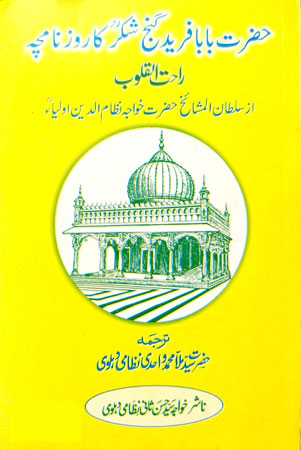
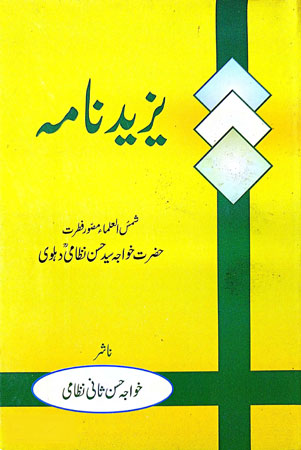
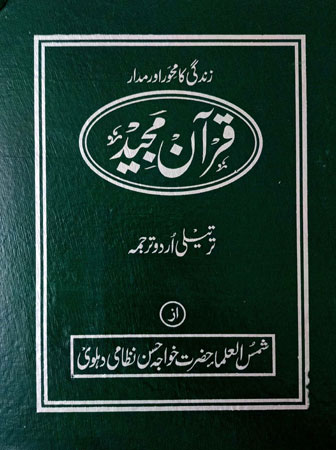
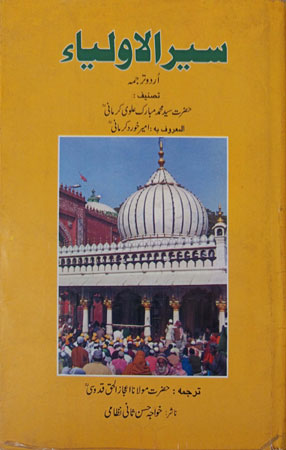
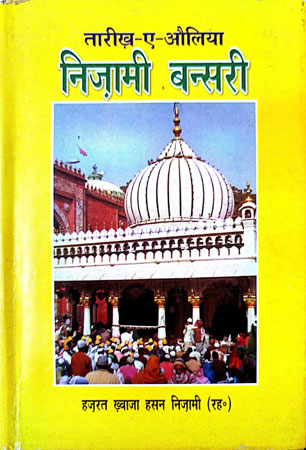
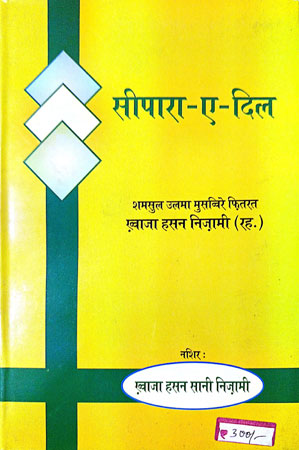
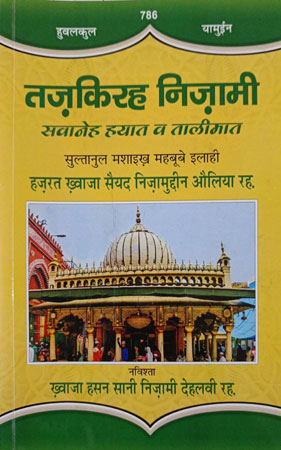
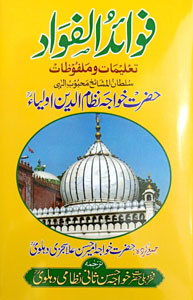
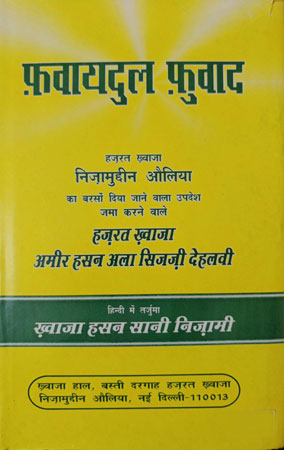
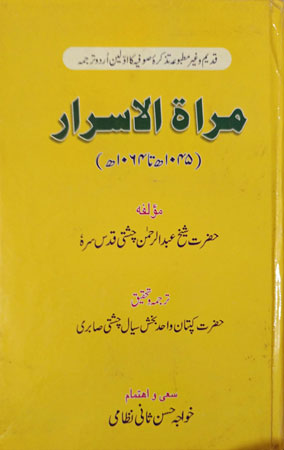
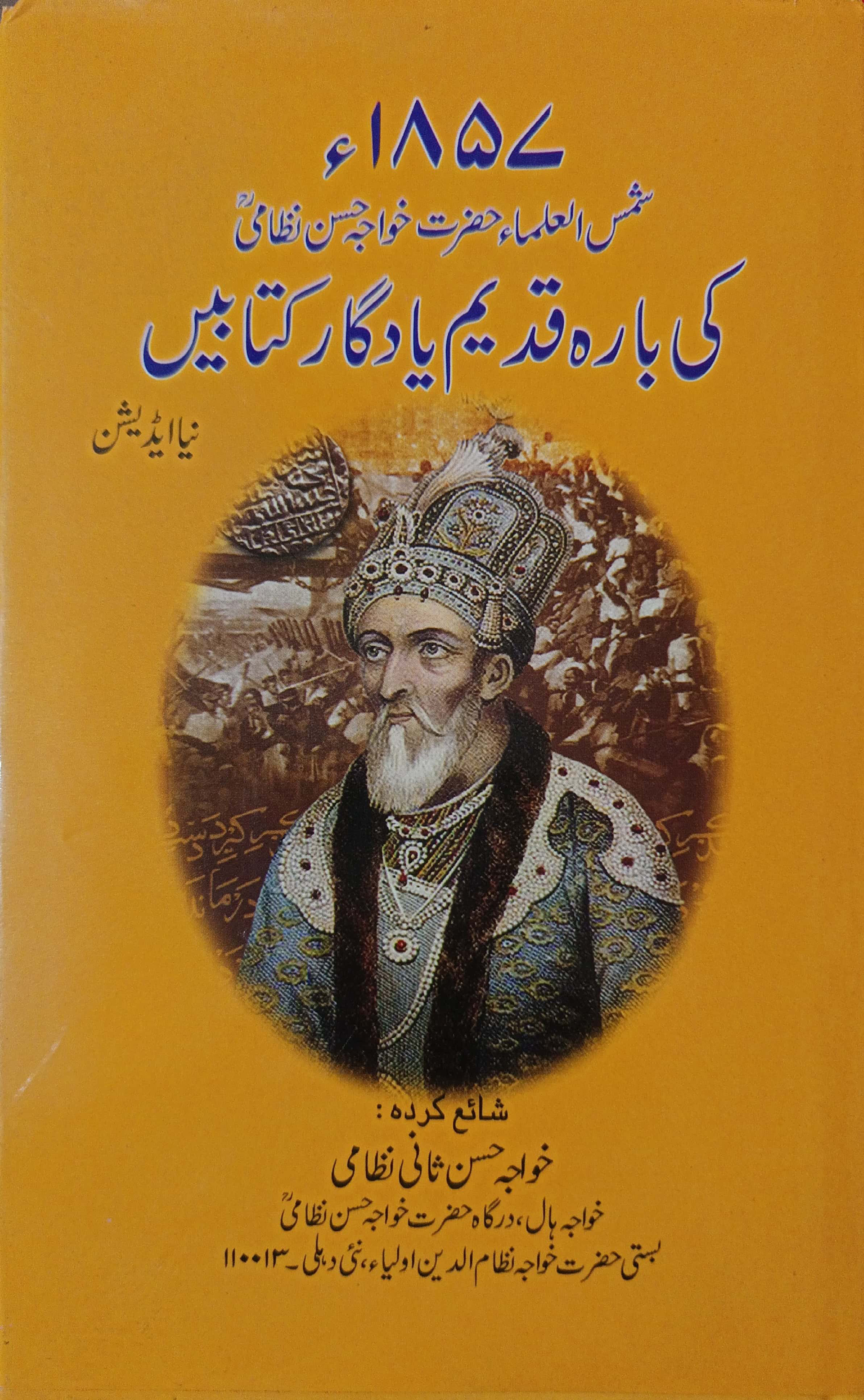
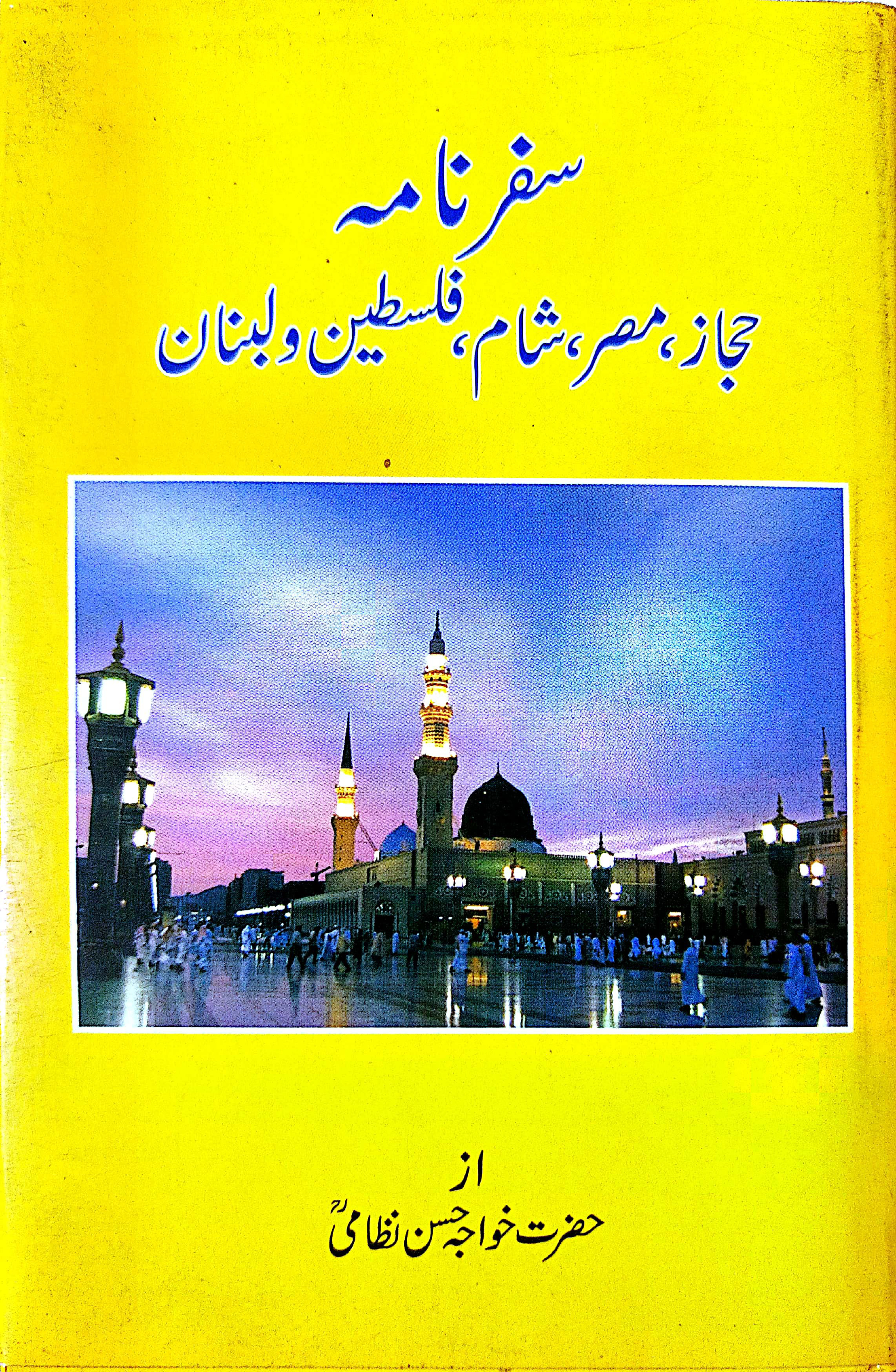
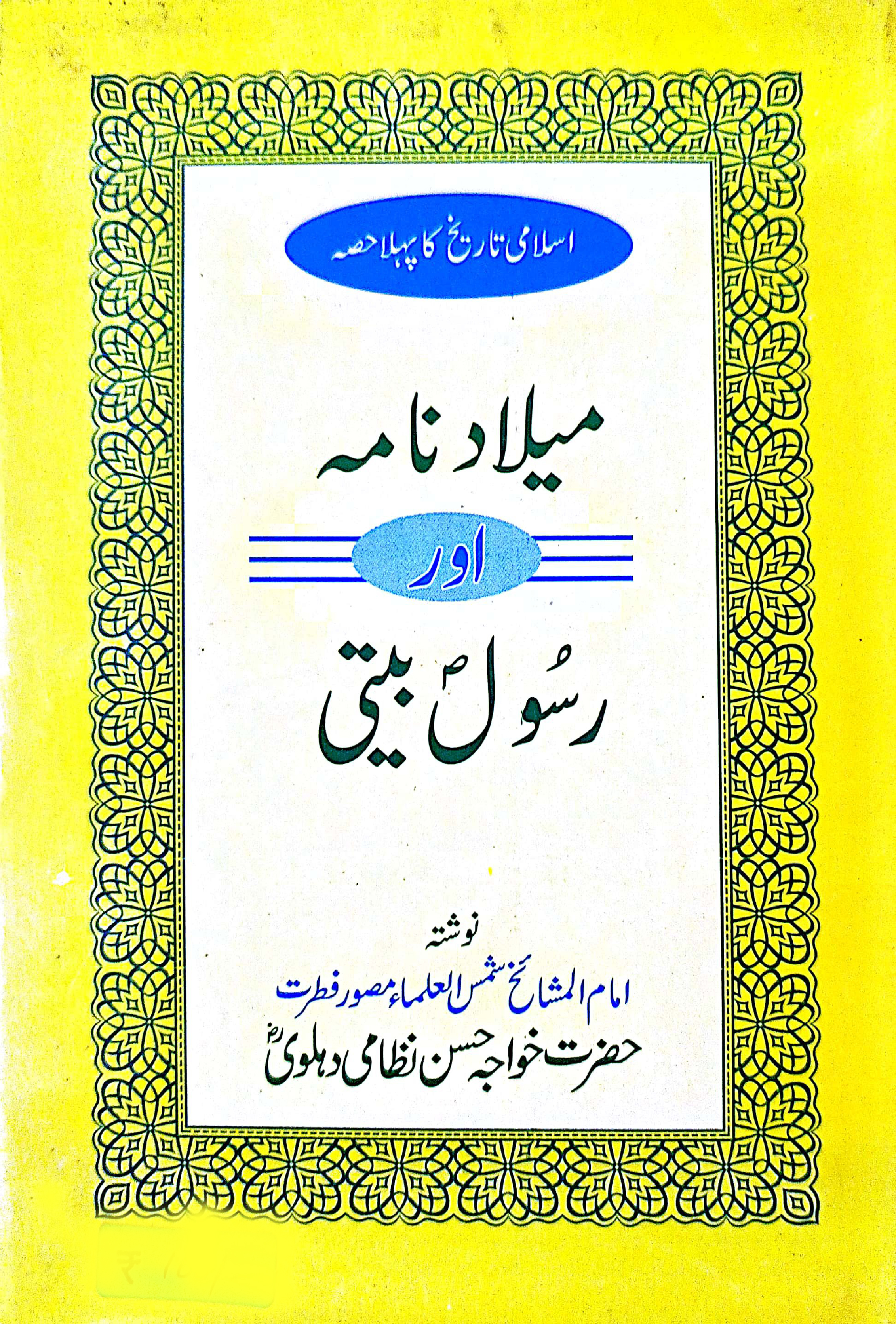
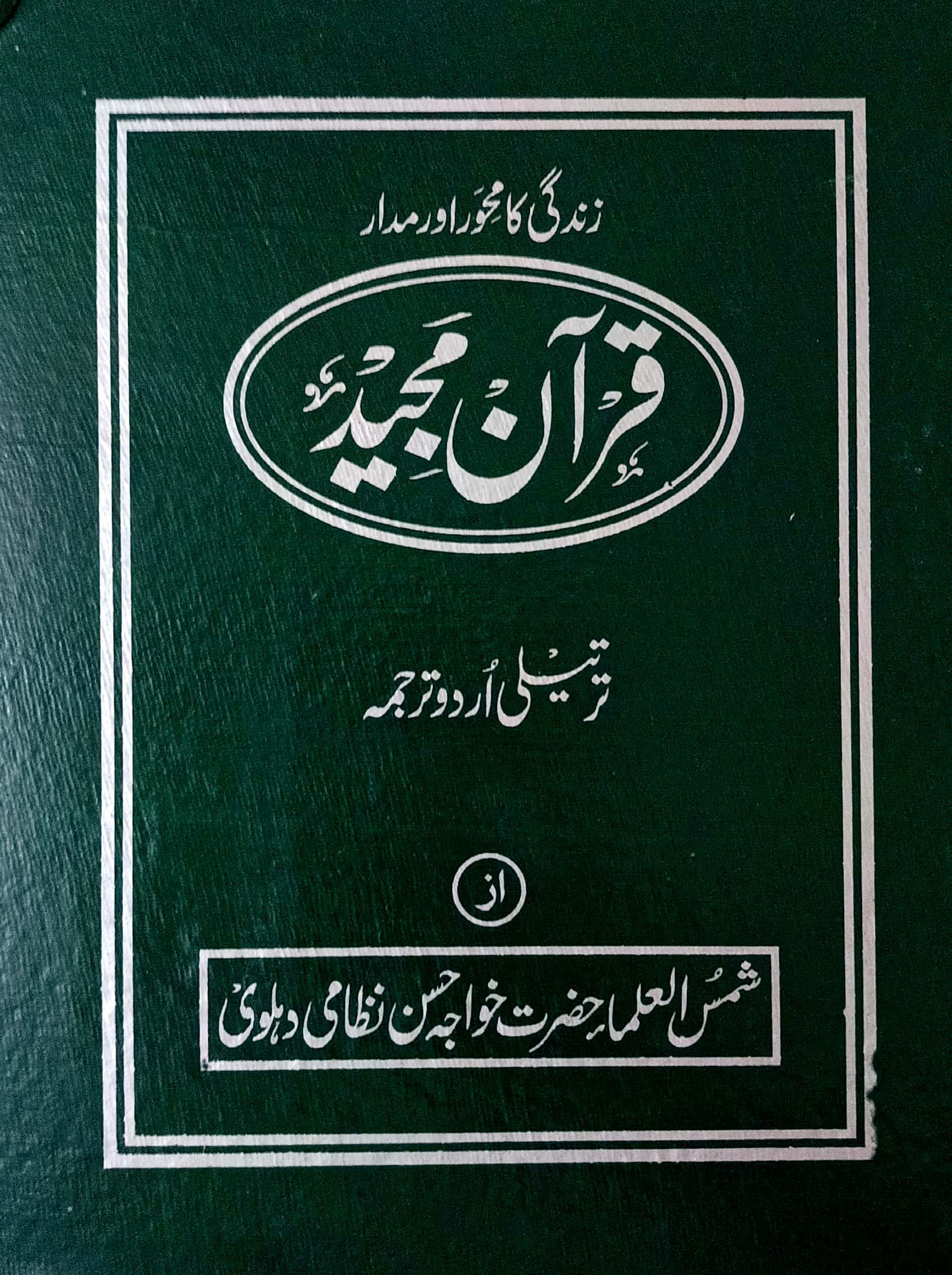
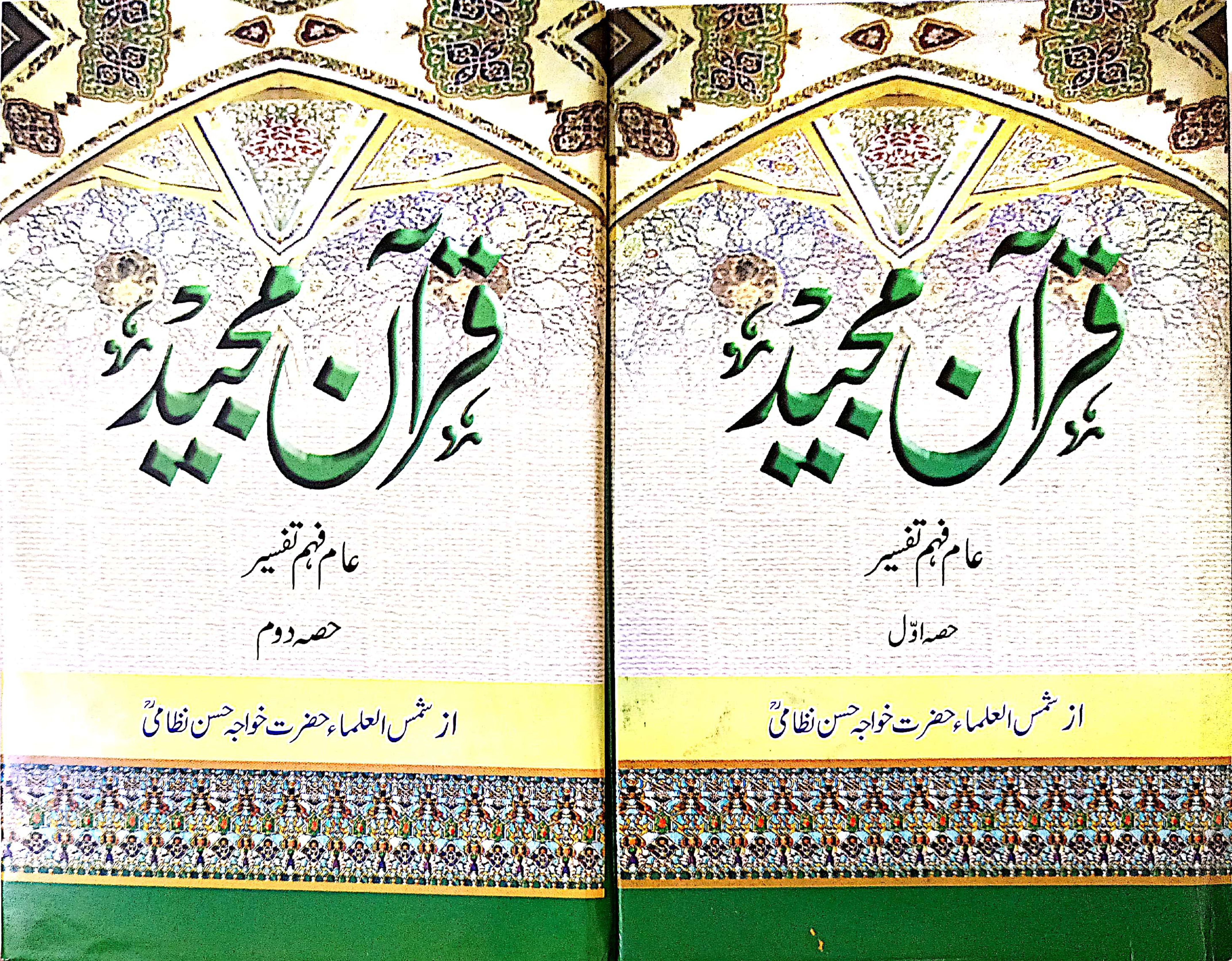
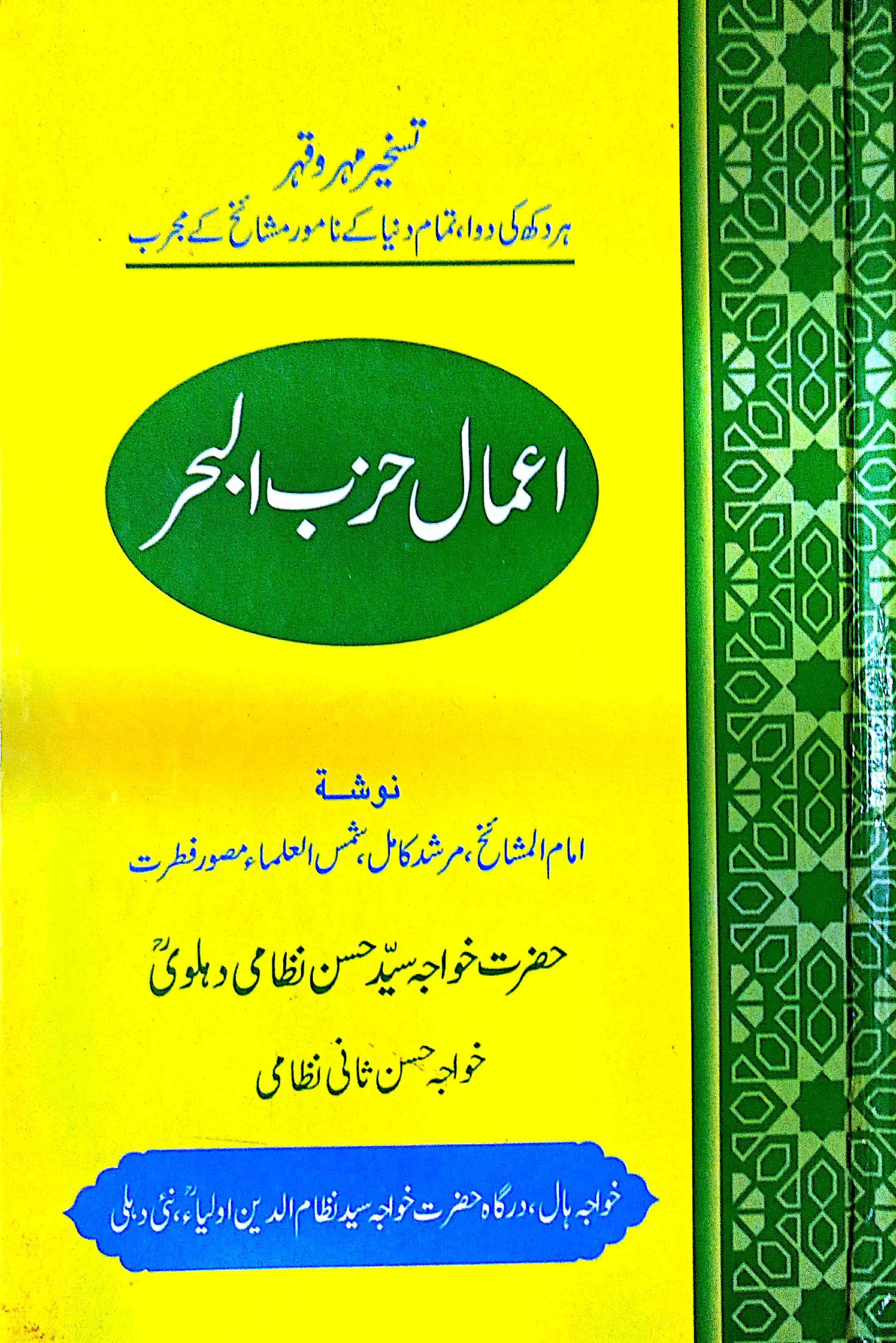
Work on Sufism
In April 2017, two volumes chronicling his life and contributions were released by then-Vice President of India Mohammad Hamid Ansari at the Nizamuddin Dargah in New Delhi. Titled works portraying him as "The Mystical Sufi, Humanist and Encyclopedia of Delhi," these books, compiled by his nephew Khwaja Syed Mohammad Nizami, highlighted his scholarly depth, secular ethos, and encyclopedic knowledge of Delhi's history and culture.
Represent India in Global Forum
Nizami represented India at a United Nations-sponsored All Religions Conference, using the platform to highlight the syncretic aspects of Chishti Sufism, such as its emphasis on universal love and spiritual unity beyond sectarian boundaries. His contributions helped bridge Eastern mystical traditions with international efforts for interreligious understanding.
Encyclopedia of Delhi
Renowned as an authority on the city's history—with profound knowledge of its evolutionary stages, landmarks, and buildings—he delivered extension lectures at numerous Indian and foreign universities, as well as reputed educational institutions, sharing insights into Delhi's multifaceted heritage. These institutional lectures and events not only disseminated historical awareness but also bridged Sufi traditions with Delhi's broader cultural identity, often drawing on his editorial experience to contextualize narratives of the city's past.
Tasawwuf (Rasm Aur Haqeeqat)
It delineates the rituals and realities of Sufi discipline within the Chishti framework, making these insights available to younger generations and scholars. Through such initiatives, he bridged classical Chishti scholarship with modern dissemination, countering the erosion of oral and textual traditions amid urbanization and secular influences.
Chairman of the Ghalib Academy
Nizami served as Chairman of the Ghalib Academy following the death of Hakeem Abdul Hameed, the institution's founder and a prominent figure in Hamdard and Jamia Hamdard. In this leadership role, he helped steer cultural activities centered on literary discourse and heritage preservation in Delhi.
Global Interfaith Initiatives
Khwaja Hasan Sani Nizami played a prominent role in global interfaith dialogues, leveraging his position as a Chishti Sufi leader to advocate for religious harmony. He was a member of the United Religions Initiative based in San Francisco, United States, where he emphasized Sufi principles of tolerance and peaceful coexistence among faiths.
Founder-member of the All India Sufi Conference in Hyderabad
An organization aimed at fostering Sufi thought and practices across India, and a member of the Governing Council of the National Ameer Khusro Society, which promotes the cultural and literary legacy of the medieval poet and musician Amir Khusro. His affiliations extended to nearly all major literary institutions in Delhi, positioning him as a key figure in the city's intellectual circles.
Testimonials
For More testimonials Click Here
My beloved Khwajasaab (RA) visited South Africa approximately 20 years ago. Our beloved Huzoor touched the hearts and lives of hundreds in South Africa, Lesotho, Mauritius and Botswana. Hazrat’s disposition was of such a nature like our beloved Nabee (SAW) that Khwajasaab influenced young and old alike. Khwajasaab (RA) made many trips over the last two decades to the farthest part of the African continent and we are extremely fortunate to be connected with one of the last true Chishti saints the world has seen. Khwajasaab (RA) had received khilaafat’s in virtually all the Soofie orders.
Alhamdulillah I can remember meeting Khwajasaab (RA) as a young boy of 11 years in Delhi in 1984 with my nana, Alif Khan Nizami (RA) (Abdool Majeed Khan) and my parents. Khwajasaab (RA) took us with Khwaja Syed Mehdi Nizami (RA) (late father of our beloved brother Syed Muhammad Nizami) to Ajmer shareef and Taj Mahal.
Khwajasaab (RA) made many trips to Southern Africa from 1988. Hazrat would visit our shores every 2 years and was the guest of my uncle Abdool Ganie Karim Nizami. The first meeting I can recollect was in 1990 and Khwajasaab (RA) came to our home in Westville on a Sunday for breakfast. From what I can remember there were no formalities and Hazrat made everyone feel very comfortable. Khwajasaab (RA) had the qualities of our beloved Prophet that he made everyone feel comfortable and at ease. I recollect Khwajasaab (RA) easily conversed with us youngsters in English. Khwajasaab (RA) made everyone young and old feel important.

Hafiz Fayyaz Mausam Nizami
Khalifa - Khwaja Hasan Nizami (Durban South Africa)
خواجہ حسن ثانی نظامی15/ مئی1931 تا15/ مارچ2015 خواجہ حسن نظامی نے اپنے فرزند عزیز حسن ثانی نظامی کو اپنی زندگی میں اپنا کانشین مقرر فرمادیا تھا۔جب دکن کے سفر پر جاتے تو حسن ثانی نظامی کو ساتھ لے جاتے تھے۔ان کو مریدوں سے بھی متعارف کرادیا تھا۔خواجہ حسن نظامی نے اپنے صاحبزادے کی تعلیم کا بھر پور خیال رکھا۔ ان کے دو بڑے بھائی حسین اور علی پاکستان چلے گئے تھے۔ خواجہ سید زید پاشا نظامی انتقال فرما گئے تھے۔ اپنے برادر خورد خواجہ سید مہدی نظامی کے ساتھ دہلی میں مقیم رہے اور جامعہ ملیہ اسلامیہ سے بی اے کی تعلیم حاصل کی۔ اپنے والد بزرگوار کے رخصت ہونے کے بعد حسن ثانی نظامی کے لیے سب سے بڑا کام اپنے والد بزرگوار کی پانچ سو تصانیف کی حفاظت اور ان کے دربارہ اشاعت کا انتظام اور خواجہ صاحب کے مریدوں تک پہنچنا اور ان کی خبر گیری کرنا تھا۔خواجہ حسن ثانی نظامی ان دونوں امور میں نہ صرف کامیاب رہے بلکہ اسے آگے بڑھایا۔ترتیلی قرآن کا ہندی زبان میں ترجمہ کروا کر شائع کیا۔ تصوف رسم اور حقیقت جیسی کتاب لکھ کر خواجہ حسن نظامی کے مشن کو آگے بڑھایا۔ عرس کی تقریبات میں اضافہ کیا۔ خواجہ حال کی تعمیر کاکام مکمل کرکے سیمینار،قوالی کے ساتھ صوفی، کلاسیکی موسیقی محفل حضرت نظام الدین اور حضرت امیر خسرو کے عرس کے موقع پر پابندی سے ان محفلوں کا اہتمام اس انداز سے کرنا کی ان کی مثال نہیں ملتی۔فوائد الفواد کا فارسی سے اردو ترجمہ بھی ان کا اہم کارنامہ ہے۔ منادی کا پابندی سے اجرا اور اپنے مریدوں تک پہنچانا بہت بڑا کارنامہ تھا۔ عقیل احمد
Dr. Aqil Ahmad
Secretary - Ghalib Academy
Khawaja Saheb was extremely happy when I published "Masnad-i-Faqr-o-Irshad: Tarikh Khanawada-e-Karimia Nijamia Salon (2003)," which was a comprehensive account, including rare Colonial and Pre-Colonial records, biographies, commentaries, devotional poetry(n'aat wa manqubat) of the Sajjadanashins of the Khanqah. He published an excillent review of this book in Munadi and also did me the Honor of reproducing the entire text of "Mairaj Namah", composed by Late Hazrat Shah Naim Ata, the VIIIth Sajjadanashin of the Khanqah (d.1966) in one of the issue of Munadi later. He used to publicaly acknowledge that this book of mine should serve as the model for other Khanqahsto come up with a documentary history of their branches as well. So much so that once he told me jokingly that he ready to give me a huge honorarium if I can prepare such a volume on his faimly as well
Saiyid Zaheer Husain Jafri
Professor, Department of History, Delhi University
Can a Sufi perform Miracles?
While we were talking to Hasan Nizami a man came in with a nervous, sickly boy aged about ten who had just been diagnosed as suffering from jaundice. Hasan Nizami put his hands on the boy's head, repeated an Arabic prayer and then blew on the boy. After that he gave some practile advice recommending a diet and a doctor who practiced the Muslim Yunani system of medicine.
When the boy left I asked Hasan Nizami about the belief that Pirs can perform miracles. He said "I try to tell people that I cant perform miracles but people believe I Can. Some people tell me the power was in your Pir and His Pir before him and that goes into you as their representative without you knowing it."

Sir William Mark Tully
British journalist and the Bureau Chief of the BBC in New Delhi
Once, while sitting in the blessed company of Hazrat Khwaja Hasan Sani Nizami at his residence, he explained to us a profound principle concerning the choice of a Peer-o-Murshid. He said that a seeker should never choose a spiritual guide merely on the basis of his fame, worldly reputation, or the number of his disciples. Rather, one should discern the spiritual qualities within him and look for three essential attributes:
Ilm (knowledge), Aql (wisdom and sound intellect), and Ishq-e-Ilahi (Divine Love for Allah Almighty).
He explained that many people may acquire extensive knowledge, yet their words and actions may still reflect foolishness or a lack of wisdom. There are others who possess knowledge and speak with intelligence and understanding, but whose hearts may not be illuminated by the love of Allah Almighty. The true Peer-o-Murshid, however, is one in whom Ilm, Aql, and Ishq-e-Ilahi are united—knowledge that is guided by wisdom, wisdom that is adorned with spiritual understanding, and a heart that is immersed in the love of Allah Almighty. Such qualities, rather than worldly fame or the number of followers, are what a sincere seeker should look for when seeking a spiritual guide.

Alisha Siddiqui
Writer & Entrepreneur
Contact
Shaafi Nizami (Sajjada Gadi Nasheeen)